





Hey guys, I am at the ancient Vitthala
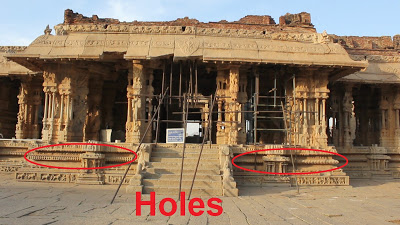
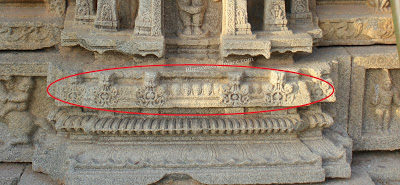
temple in Hampi, and I just found out - there are strange holes drilled all around
the temple. It appears that no one has
noticed them, because they are not easy to find, unless you examine these walls
very closely. Watch the video below or read on.
These series of holes are just about a centimeter wide. How did ancient builders drill these holes on granite,
which is one of the hardest rocks in the world? Today,
we use diamond tipped drill bits to create such holes on granite, but how was
it done in ancient times? But there is something
much more fascinating. Directly above this series of holes, we can see another
row of holes, a little bit bigger than the ones below. And there is a third row of holes right above this as
well, making the pattern much more complex.
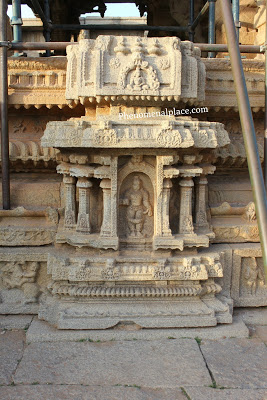
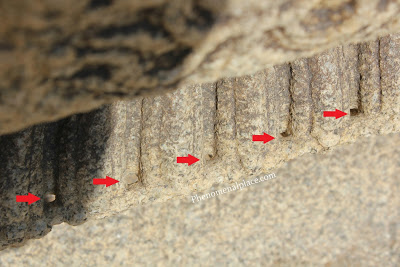
So these minute holes on the
model prove that the holes were not created for mere decoration, but an
important part of the temple's design. But the big question that needs to be
answered is this: Why were these holes drilled all around the temple? Remember, I have shown you something very similar in Brihadeeswaratemple which was built a thousand years ago,
and this structure also has these minute
holes all around its base. Why do these ancient temples have minute holes
drilled all around the base? To understand this, we have to examine
what ancient temples actually represent. You might wonder why ancient Indian
temples always look like rocket spacecraft,
well they were in fact designed specifically to
look like spacecraft.
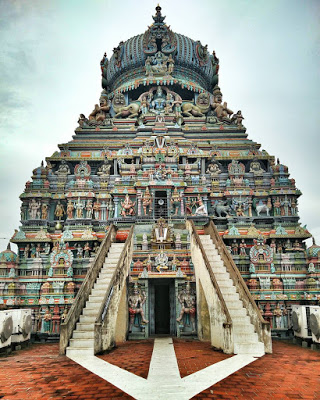
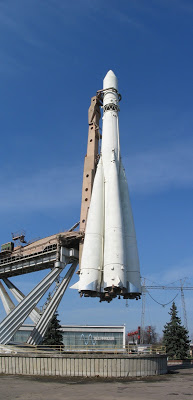
If you look at the base of a modern day rocket, you can see
something very fascinating. They always have multiple holes at the bottom. These holes are called
exhaust nozzles, and these multiple holes are important for balancing and
changing the direction of the rocket. These
multiple holes are the reason why well-designed rockets go straight up and follow
the desired path, while home-made rockets with just one hole will almost never do that. Without going into too many
details, unlike home-made rockets which use fuel in just one chamber, advanced rockets make sure the fuel is distributed into
many small channels. And we can see the same
design on this temple as well. I am pouring
water, but assume that this is fuel and watch what happens. The fuel will be distributed though the bigger holes on
top, and each bigger hole actually has a separator in the middle, which will
make the fuel into 2 streams and these 2 streams will be channeled into the
smaller holes at the bottom. So, imagine what happens when fuel is released
from the center of the Vimana, there would
be thousands of fuel streams distributed all around the structure, which will
create a very balanced propulsion. Of course, these
structures are megalithic models of actual spacecraft. Now we can understand why the holes are so important,
that they were drilled even on the miniature model. Once we realize that this Vimana is a rocket model, we can start
understanding many different carvings around it. We can see lions breathing
fire right next to these holes.
So, what do you think? Why were these holes carved all around
the Vitthala temple? Is there also a connection with the musical pillars of Hampi? Please let me know your thoughts in the comments
section.


4 comments:
its so true...jst amazed
no rockets pls. I like your videos and keen eye, but this hypothesis seems to be out of context completely. what about different few:
1. two civilizations - one with very advanced tech and real vimanas - a spacefaring one. second less advanced but with tech to build all these temples in stone pictering the first one like cargo cult. stonecutting tech could be passed to this second civ by someone, because there are no signs of normal houses build this way.
2. not temples but sofisticated tech buildings which role is still unknown maybe sound, maybe prana or electromagnetic, maybe some kind of powerplant producing unknown to us kind of power
3. not fuel and primitve rockets but different kind of propeller, electromagnetic maybe
best regards and keep up a good work
I have been a great fan & follower of the work of Eric von Daniken and other similar authors right from early 1970s. You are doing a great job here in more specific detail, that too focussing on Indian artefacts. Congratulations
How can I contact you?
Post a Comment