When I visited the
Thanjavur Royal Palace, I was surprised to find that the
Art Gallery had an extraordinary collection of antique bronze statues. Some deities were unique and unheard of, and they ranged from 9th Century to 19th Century. I am posting all the pictures I took, so it may be of some interest to you. Apart from these sculptures, they had a nice collection of
Old Coins and also an ancient burial urn called
Mudhumakkal Thazhi. You can find all the bronze sculptures from the
Thanjavur Art Gallery below:
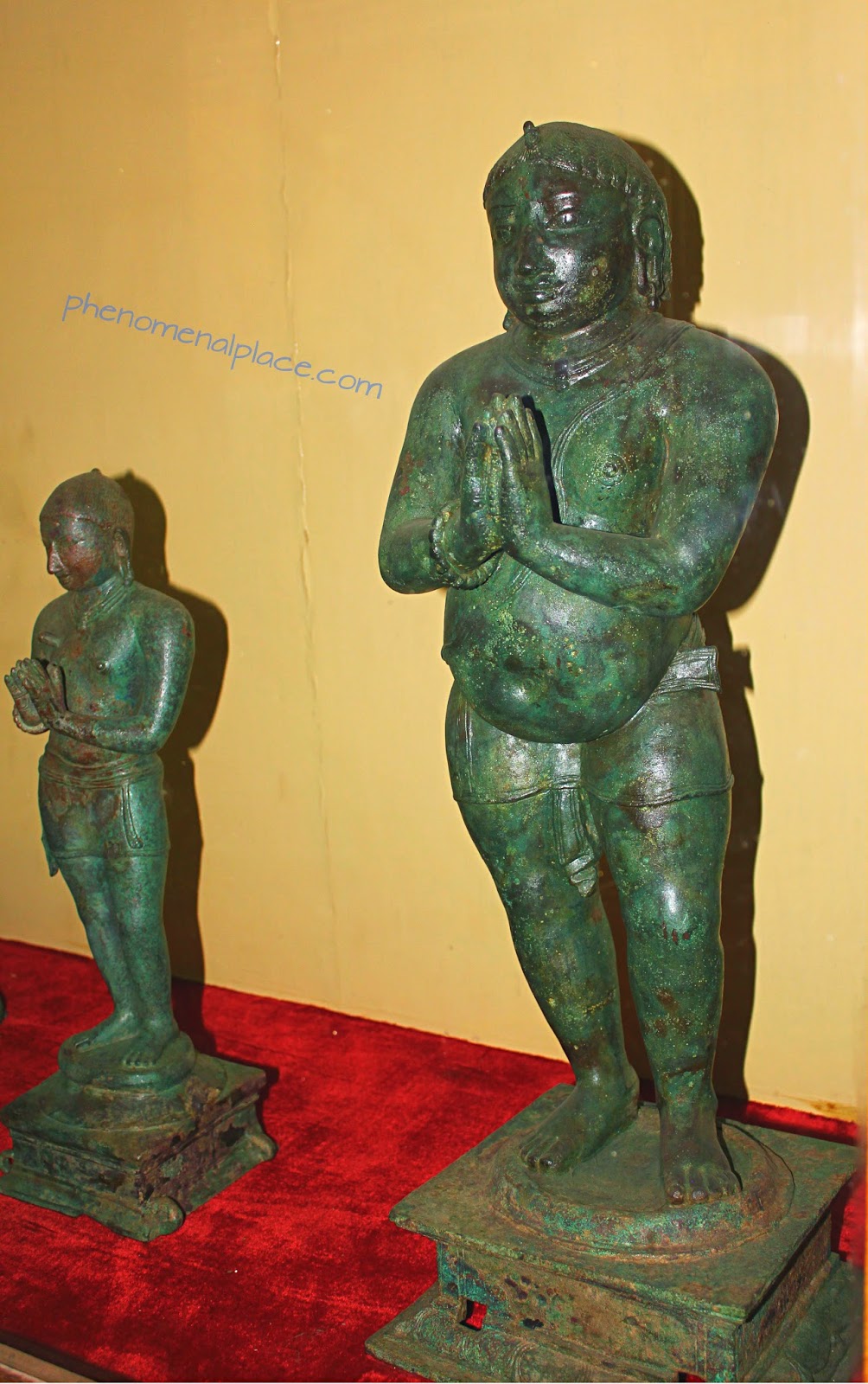 |
On the left is Appar; On the right is Brahmadhirayar depicted as a fat person. I could find no historical or mythological reference of him.
|
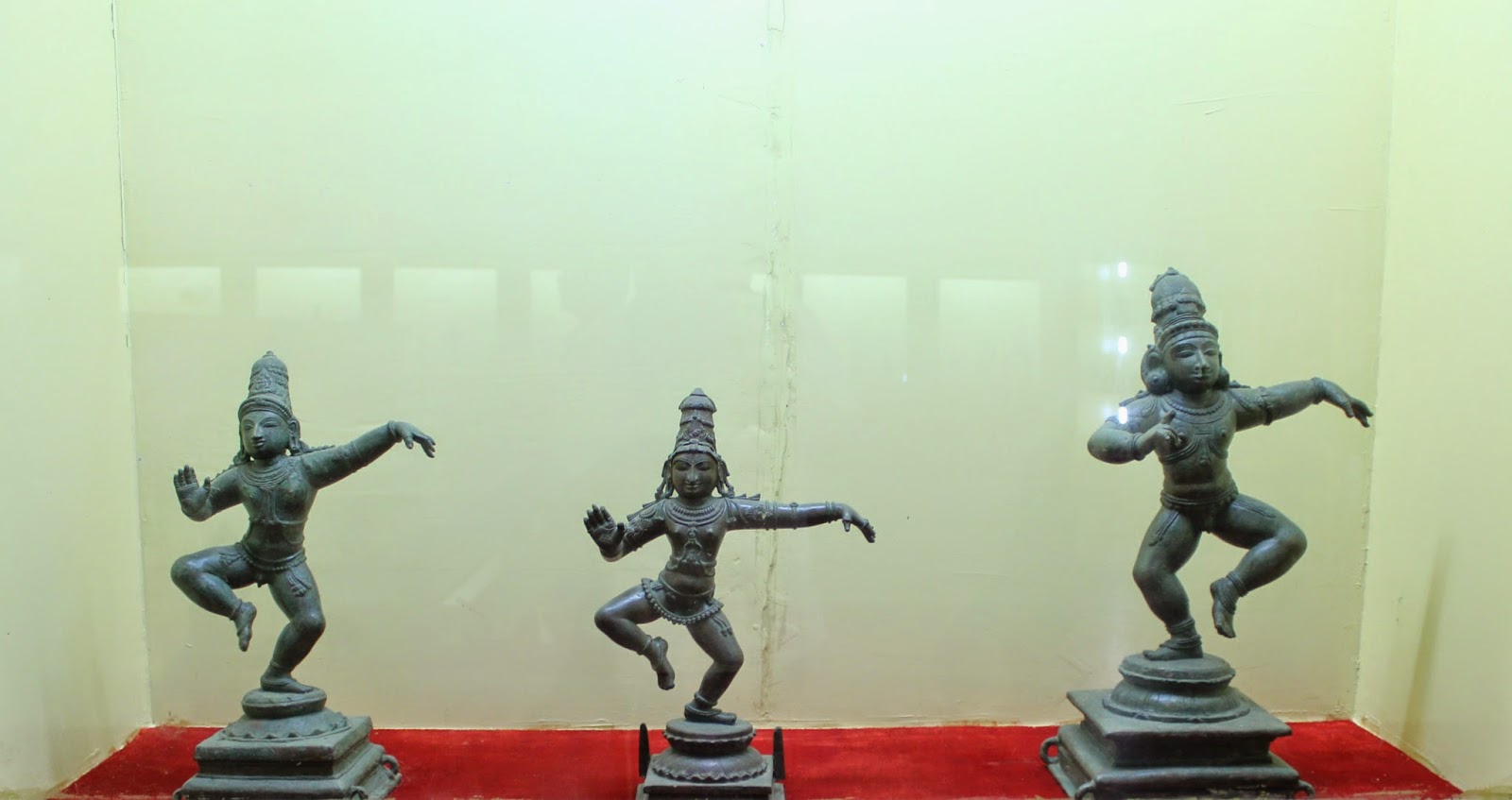 |
| 2 dancing Krishnas on the left and middle; The righmost is Sambandar -12th Century A.D |
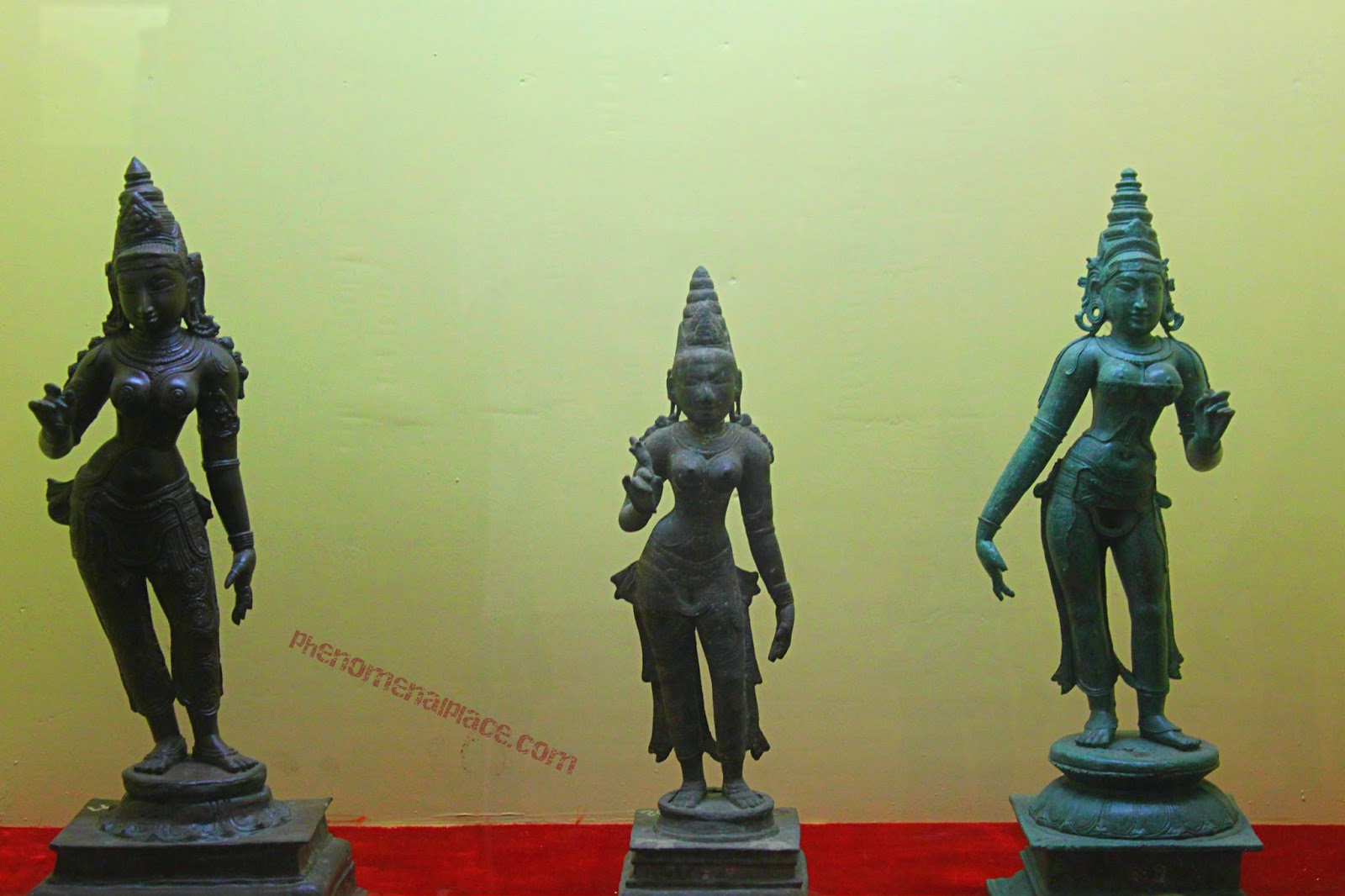 |
| 2 Parvathis on the right and middle; The rightmost is Sridevi |
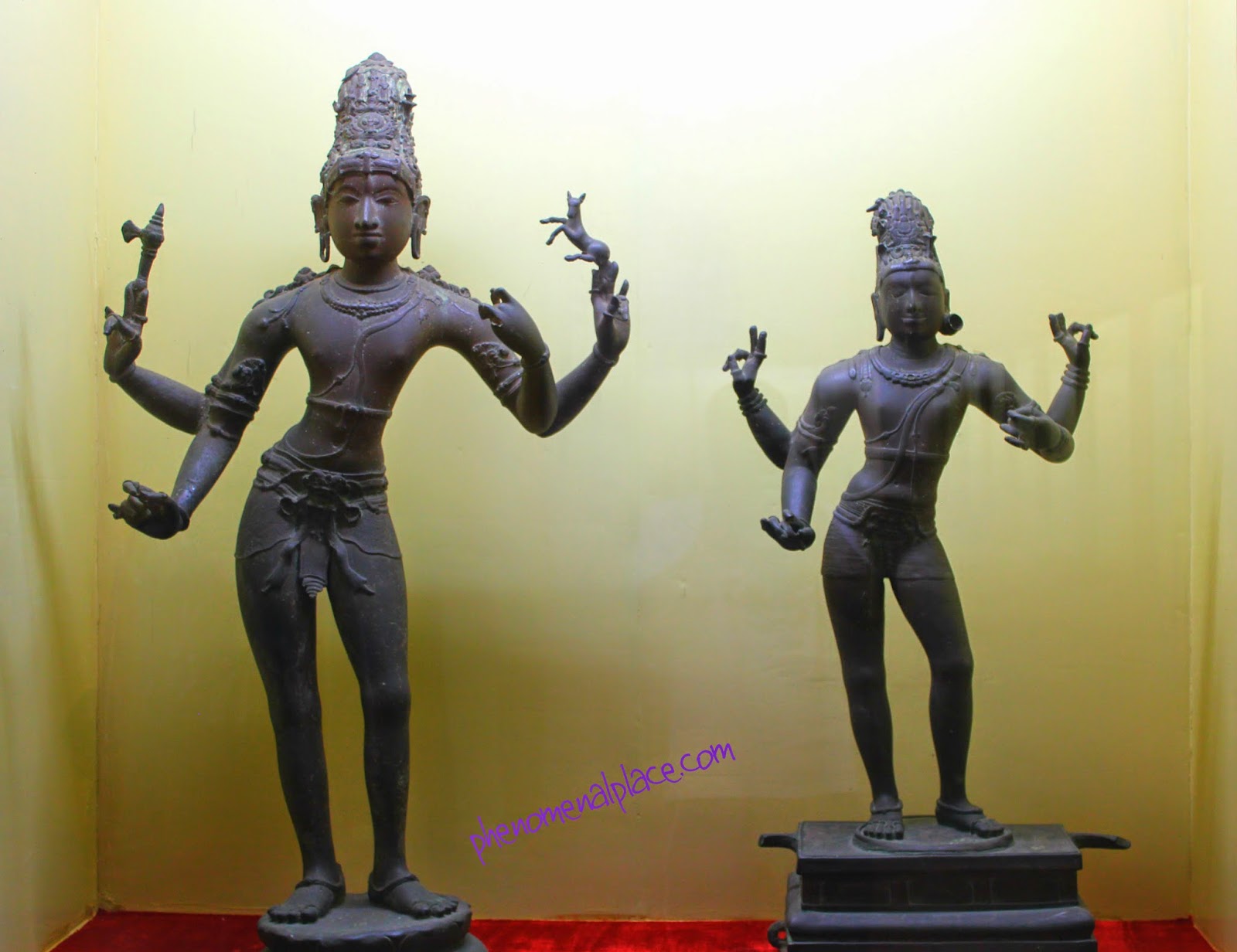 |
| 2 statues of Thirupuranthakar from 10th and 11th Century A.D |
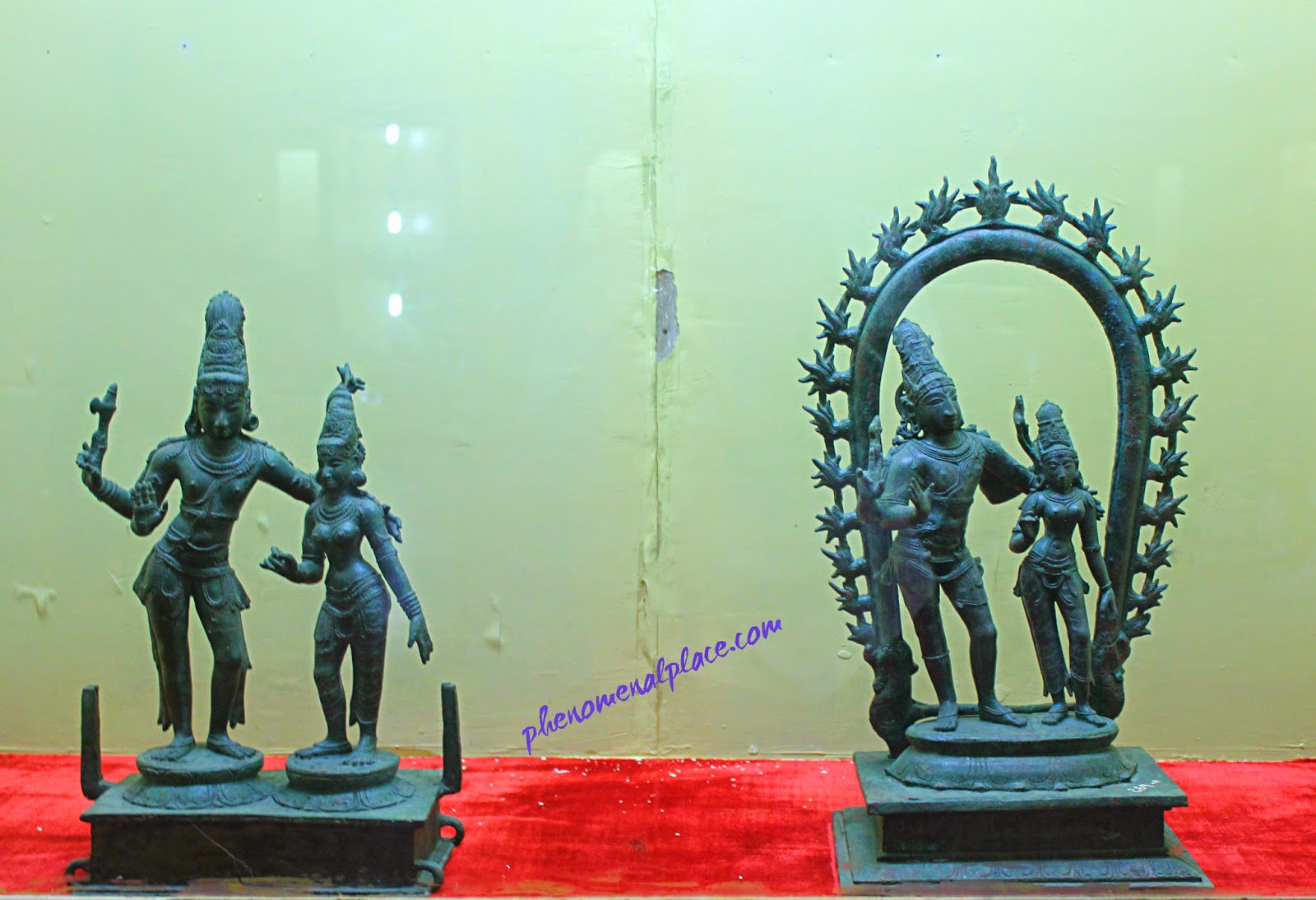 |
| Alingana Chandrashekar 12th Century Sculptures (Alingana means embracing in Sanskrit) |
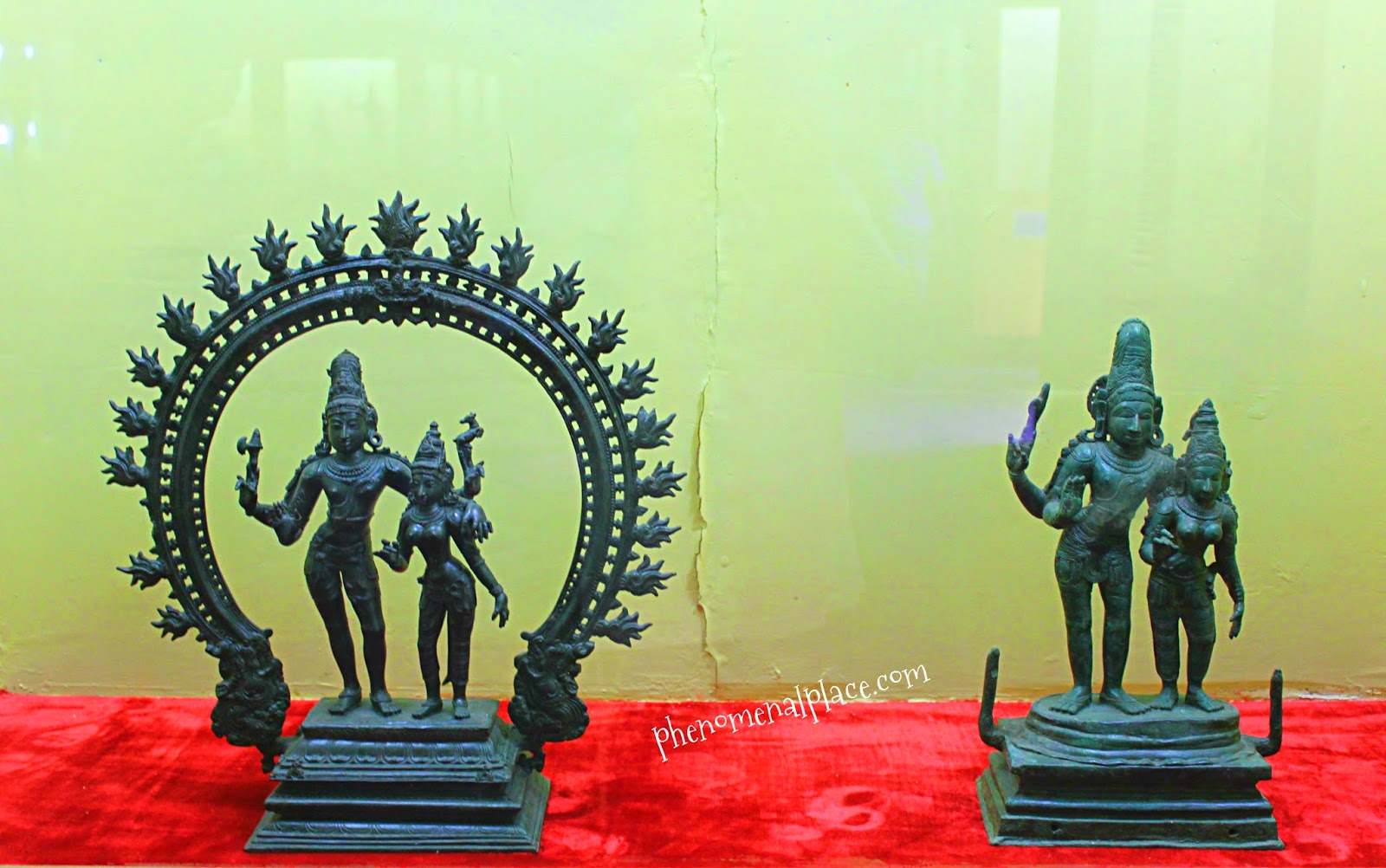 |
| 2 more sculptures of Alingana Chandrashekar from 13th century |
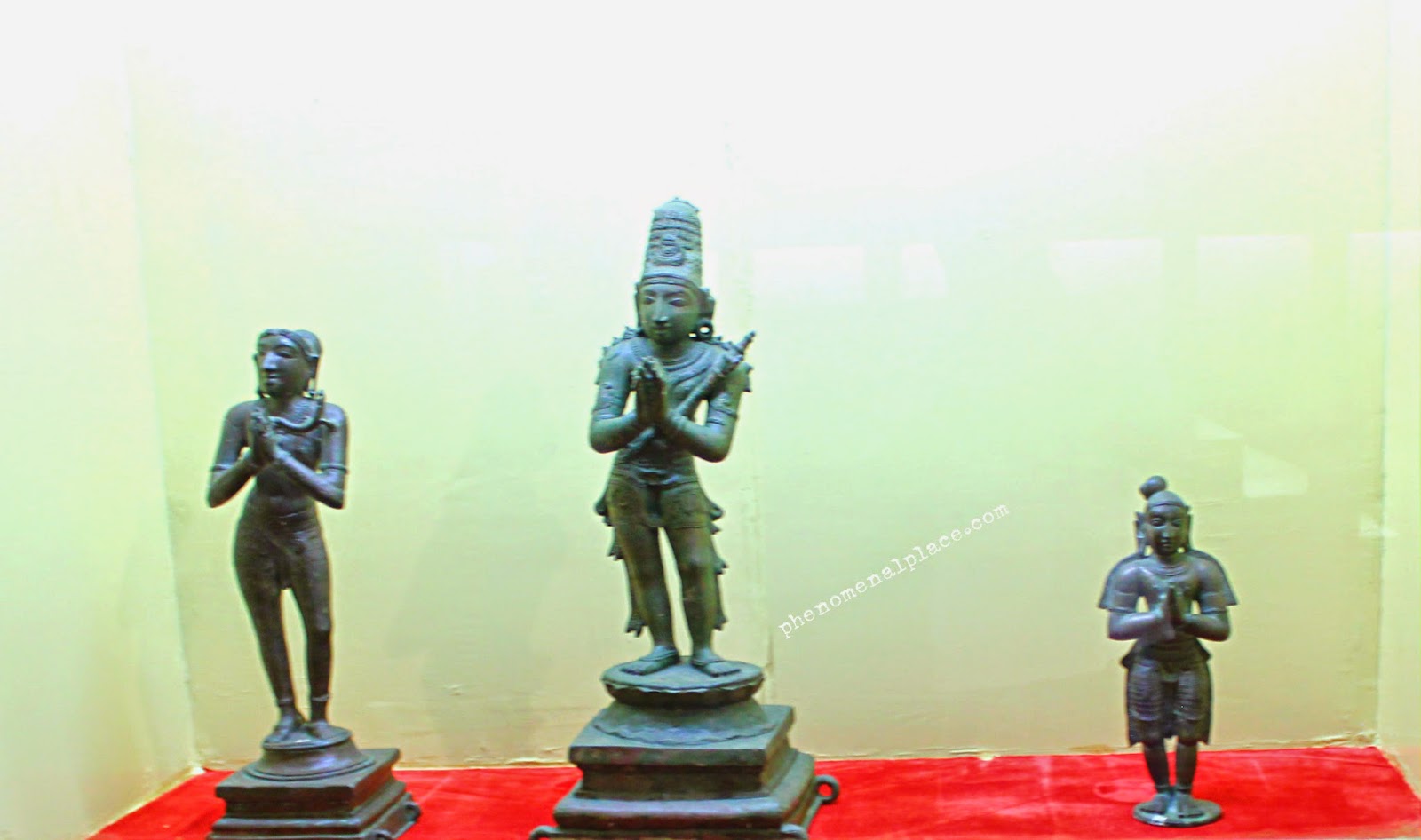 |
| Left: Arivattaya Nayanar aka Thayanar; Middle: Chandikeswarar; Right: Unknown. 12th Century A.D |
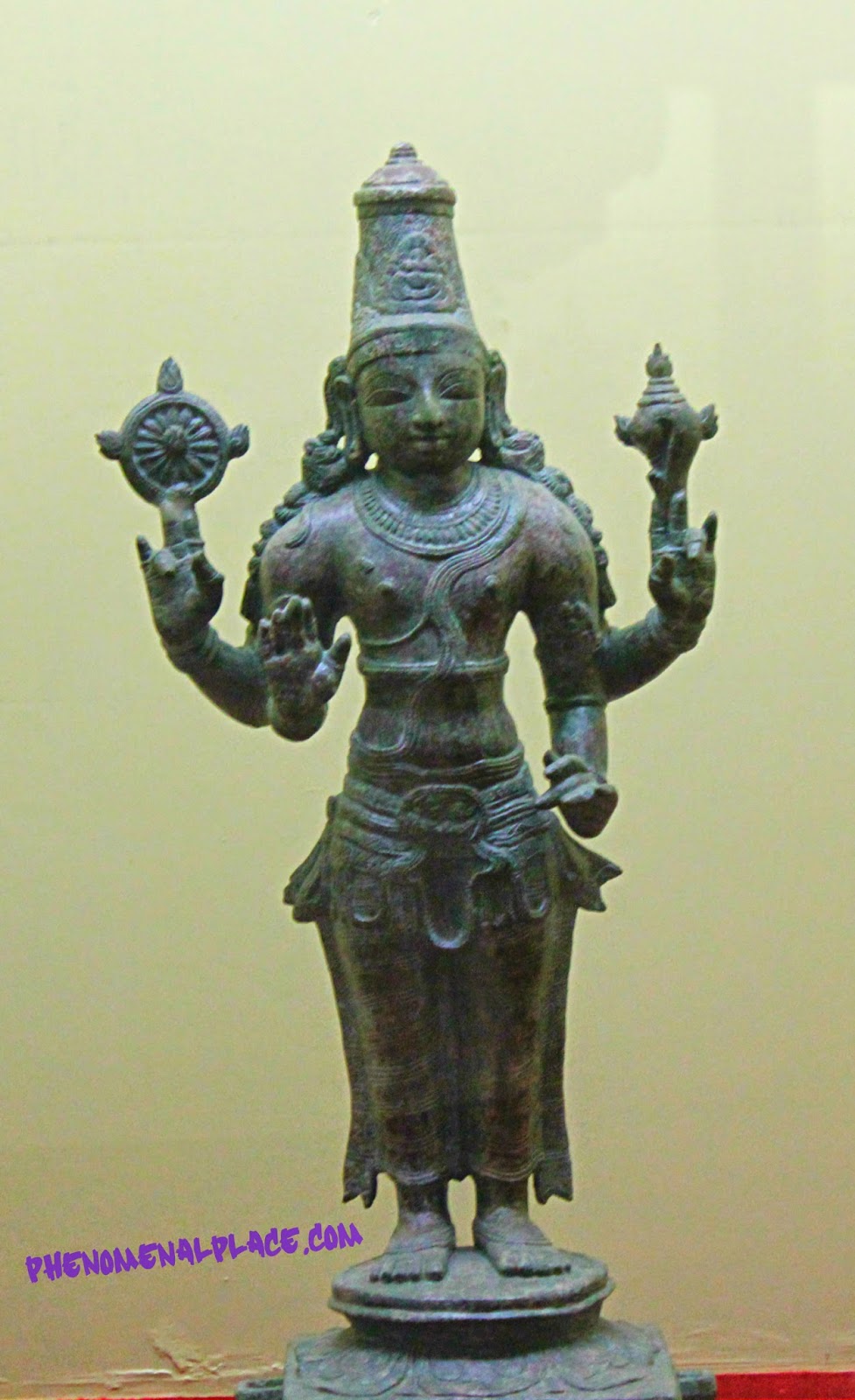 |
| Bronze Maha Vishnu Sculpture 12 Century A.D |
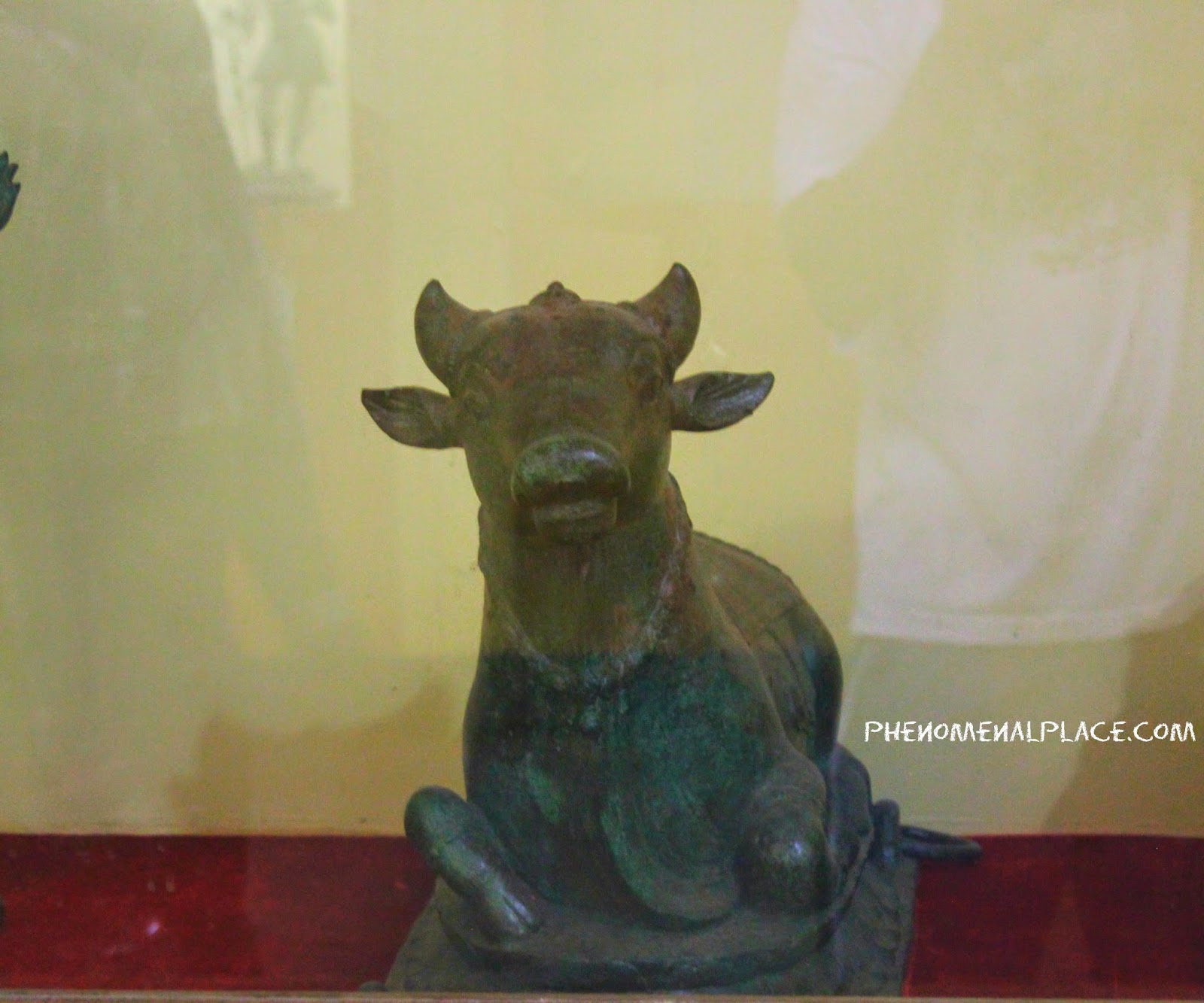 |
| Bronze Nandhi 15th Century A.D |
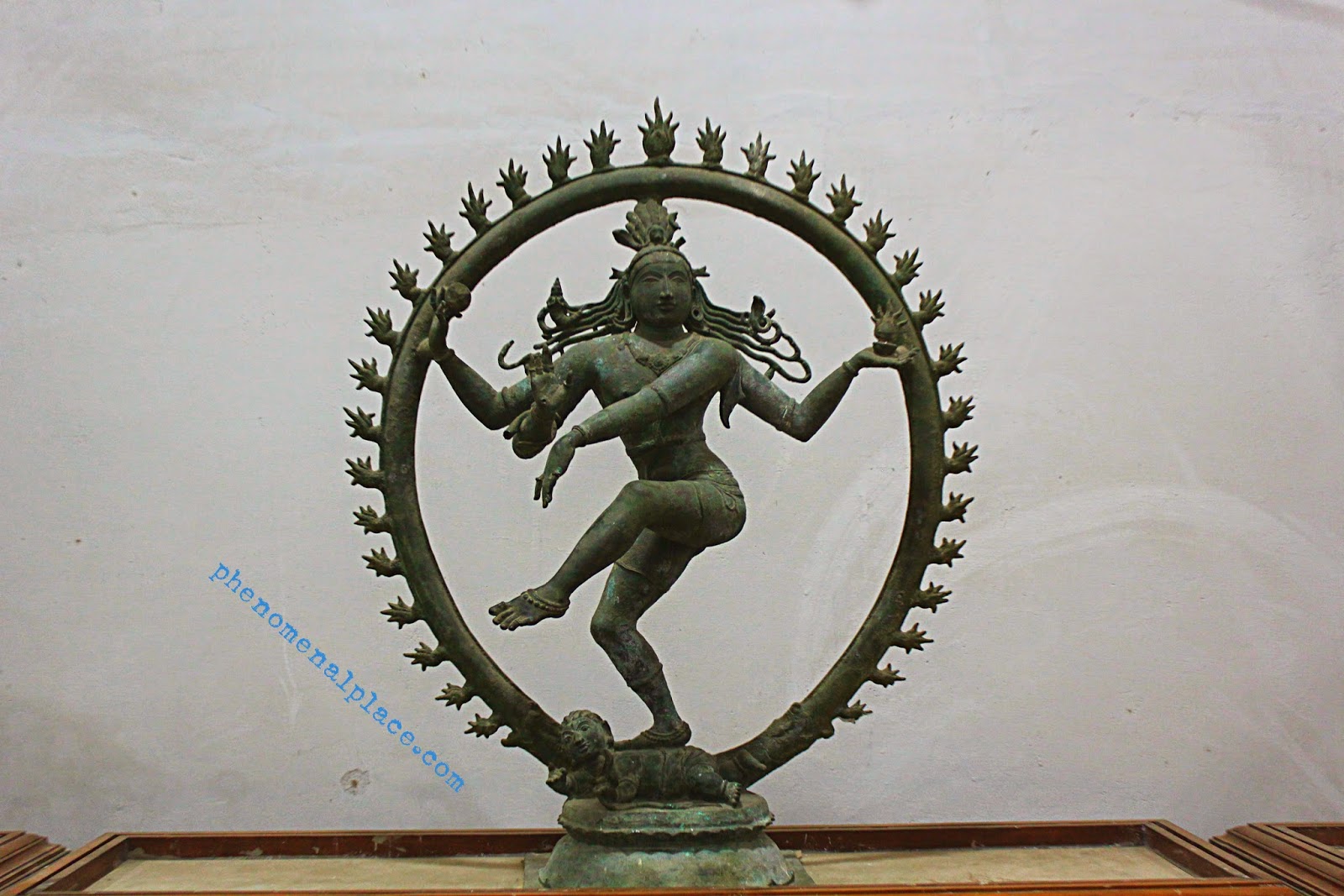 |
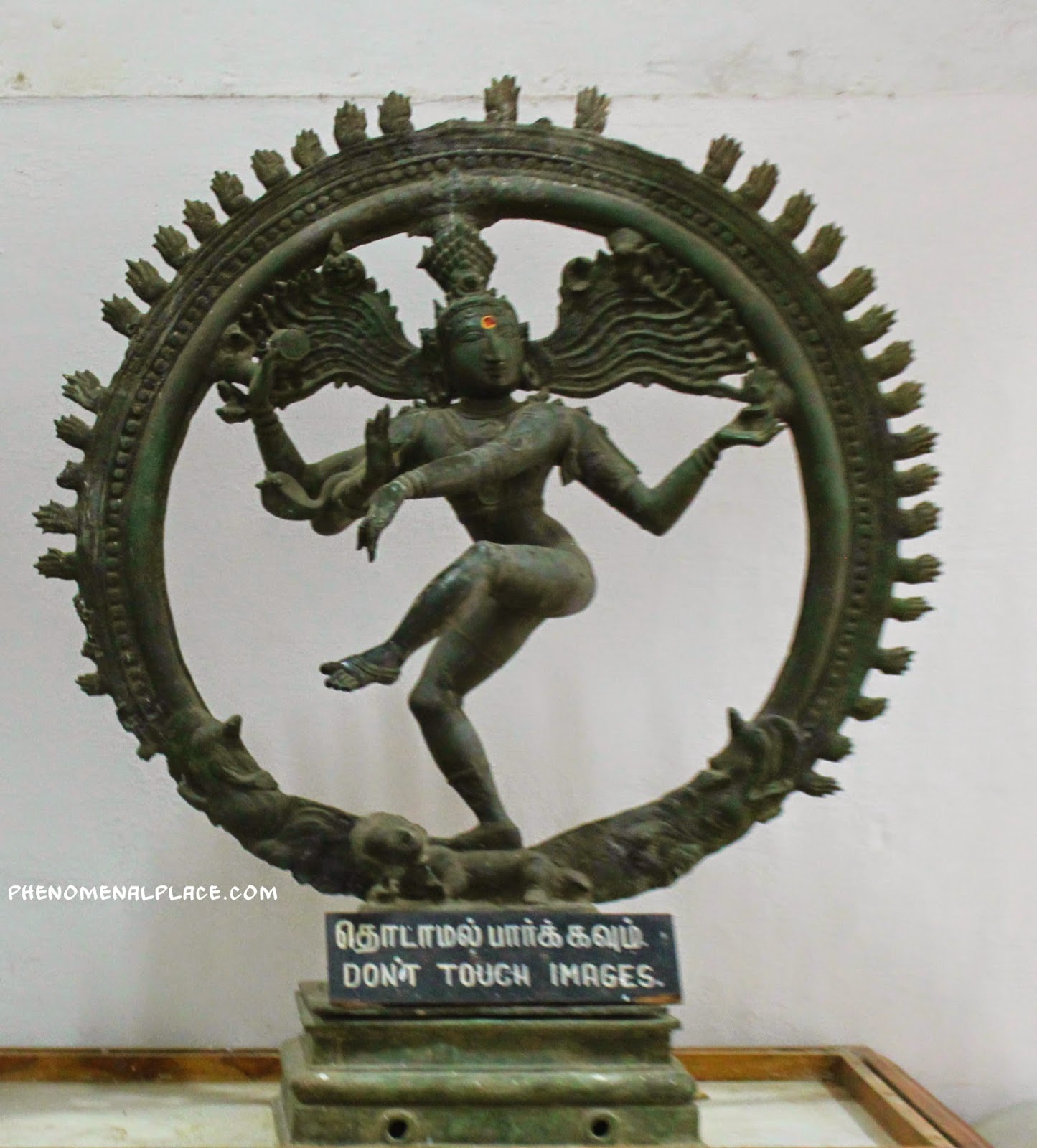
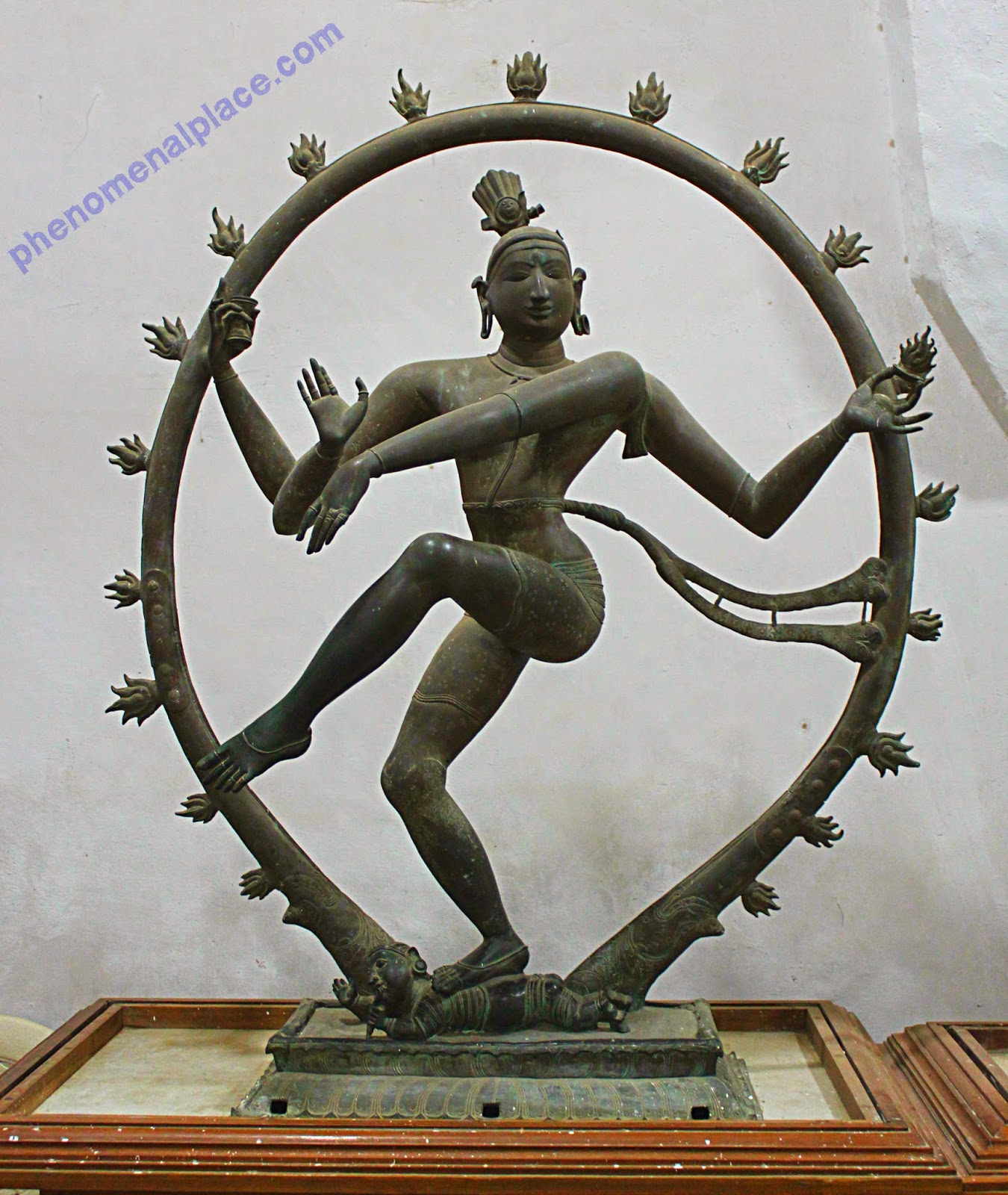
| Bronze Nataraja (Dancing Shiva) 11th Century A.D |
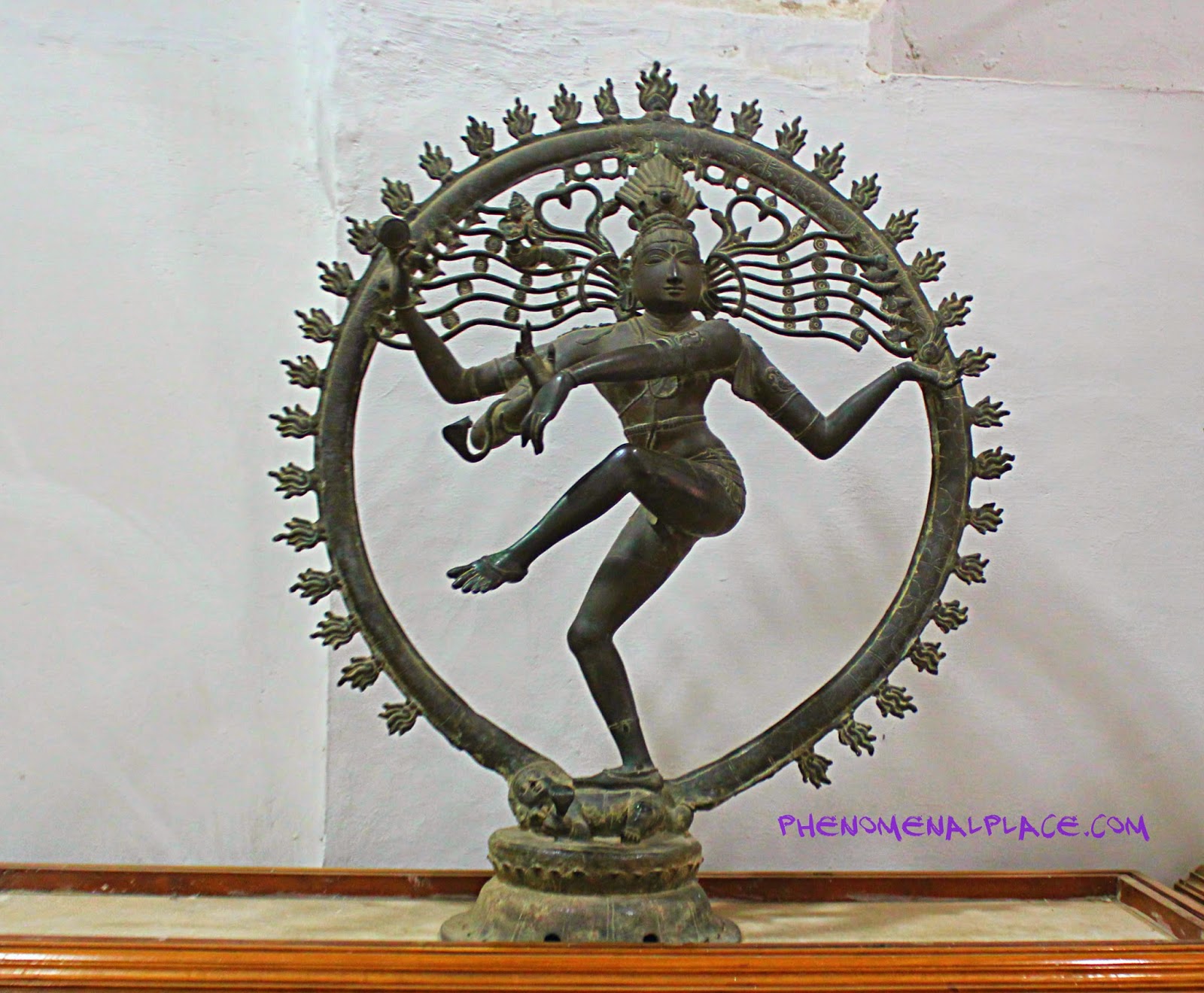 |
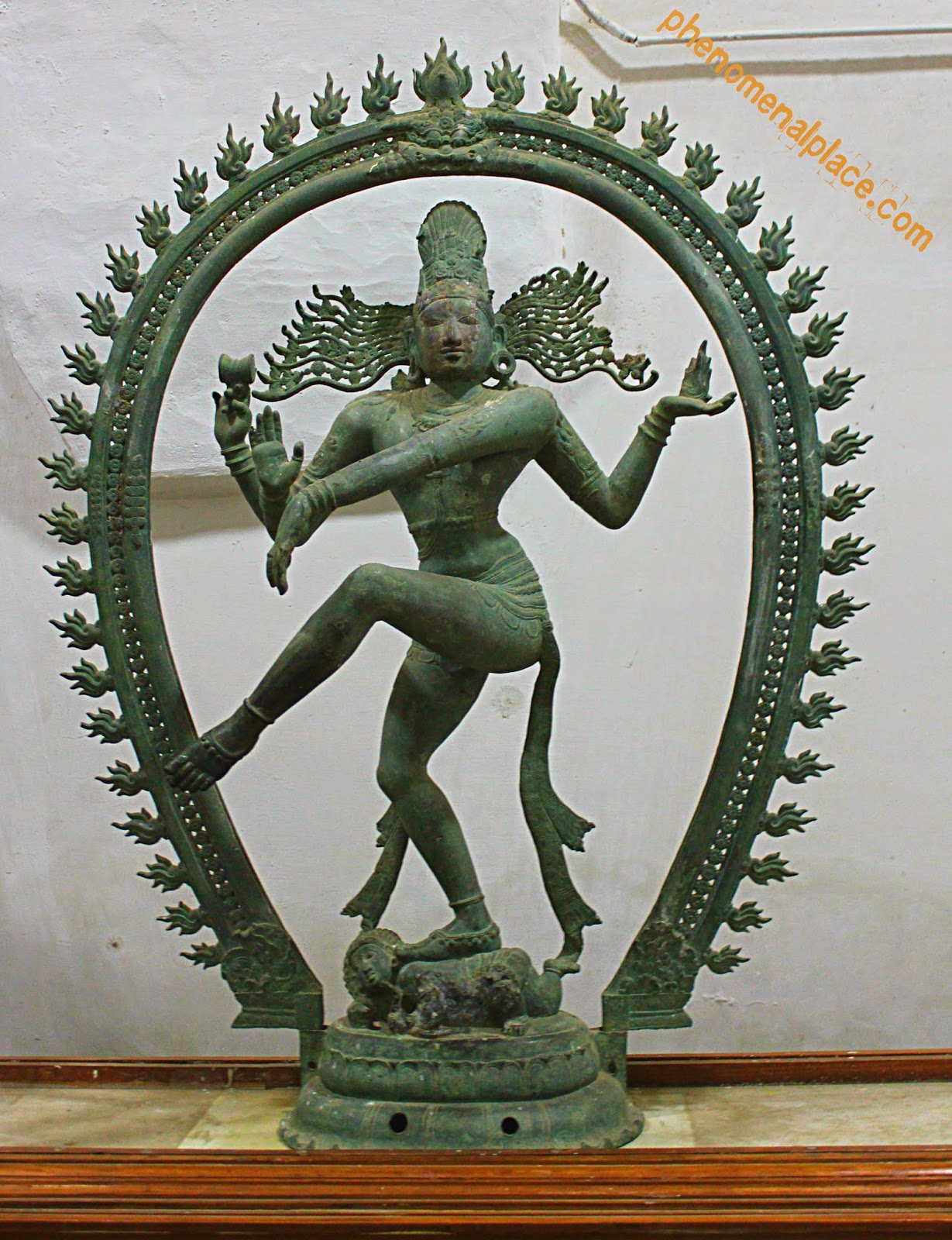
| Bronze Nataraja 12th Century A.D |
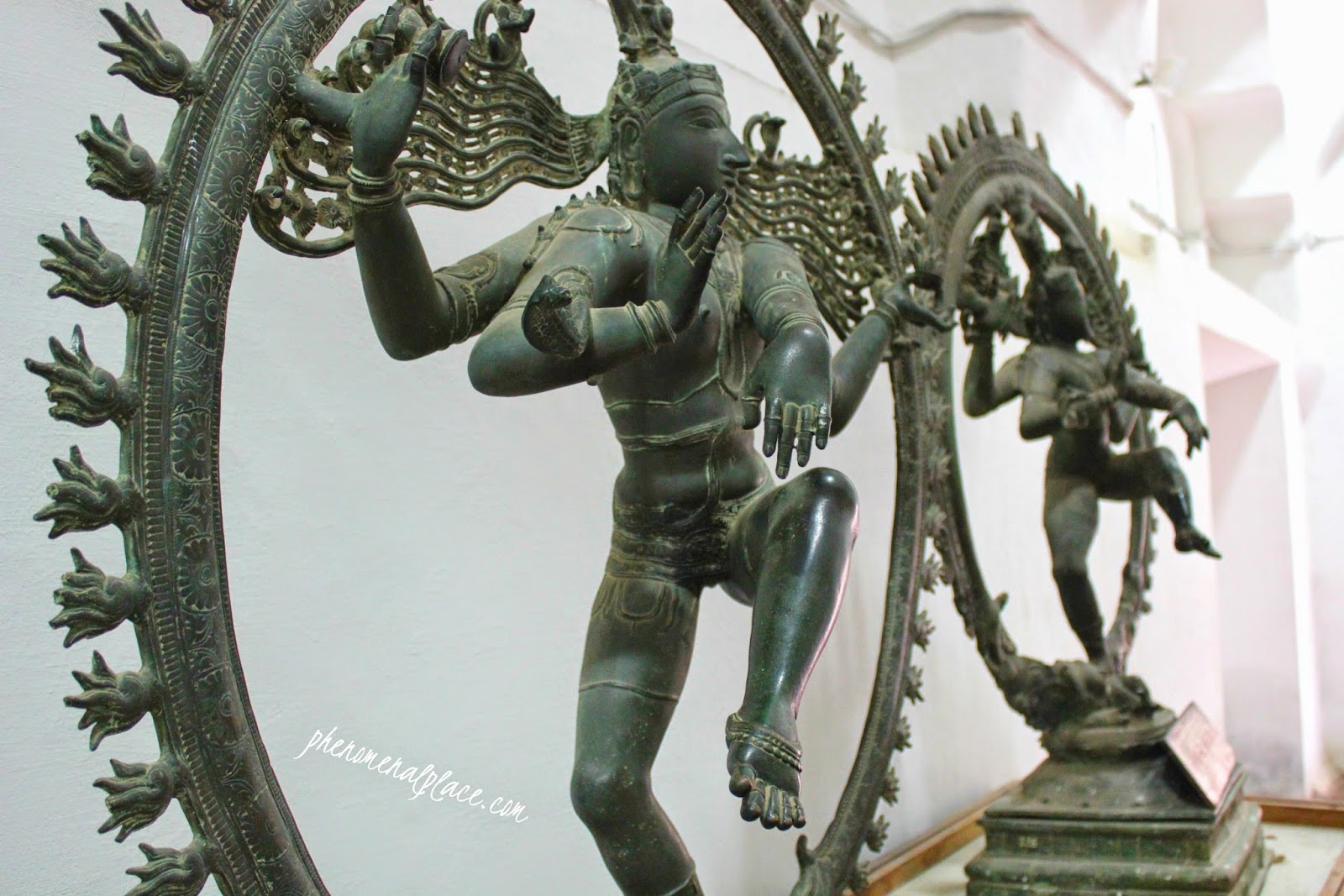 |
| This angle shows a 3D version and how much work must have gone into this Sculpture |
 |
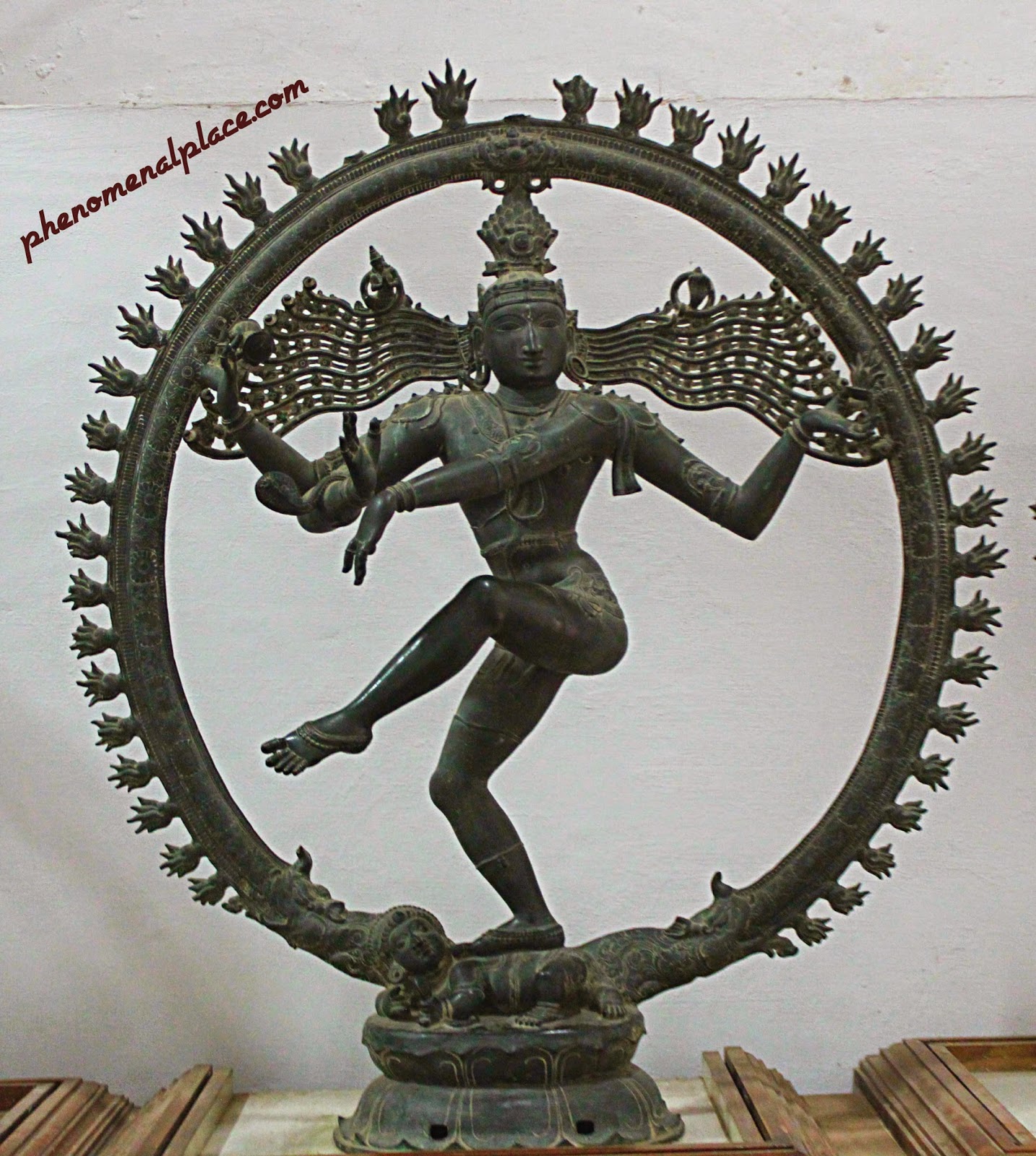
| Bronze Nataraja Sculpture 11th Century A.D |
 |
| Another Bronze Nataraja Sculpture; Time Unknown |
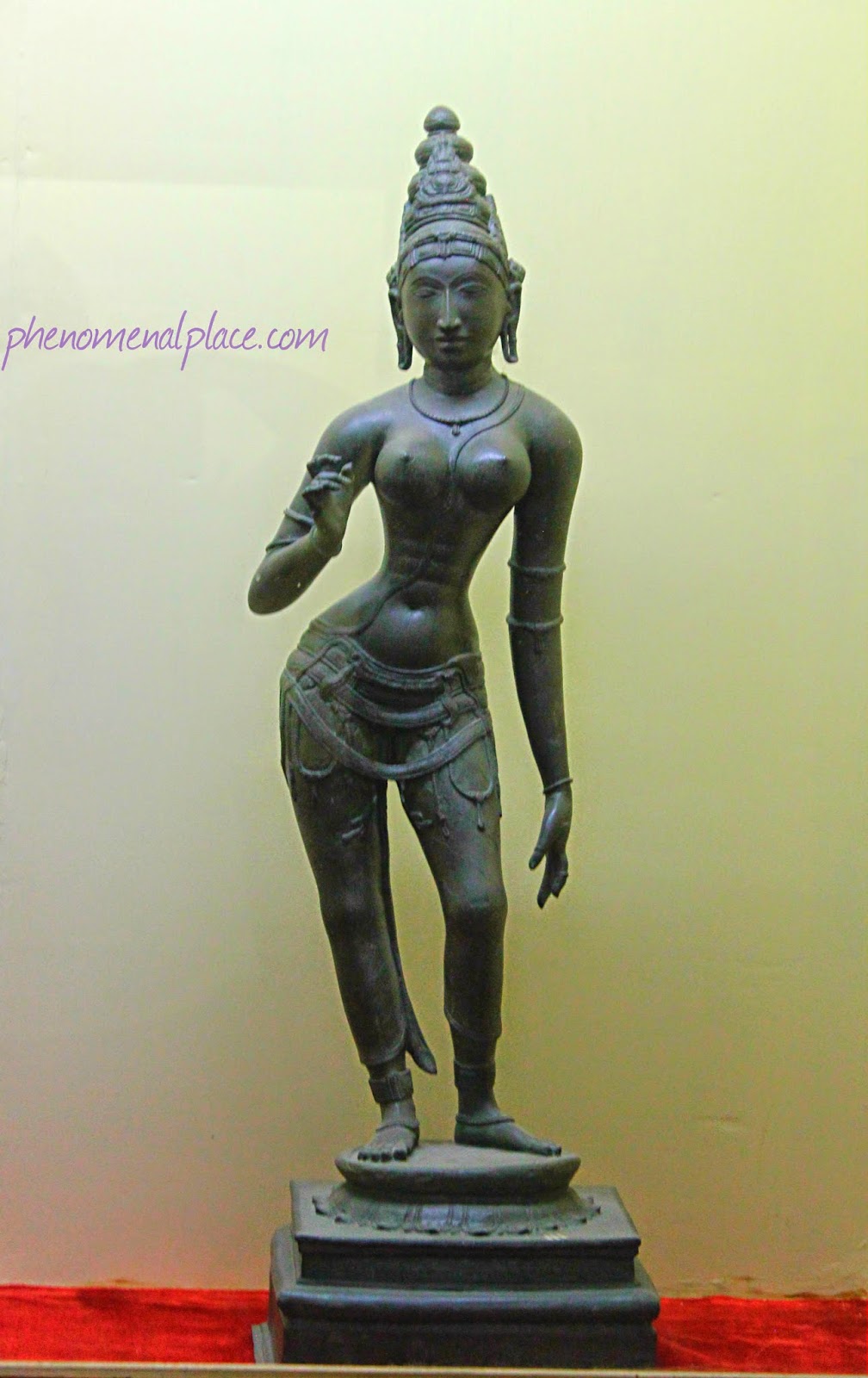 |
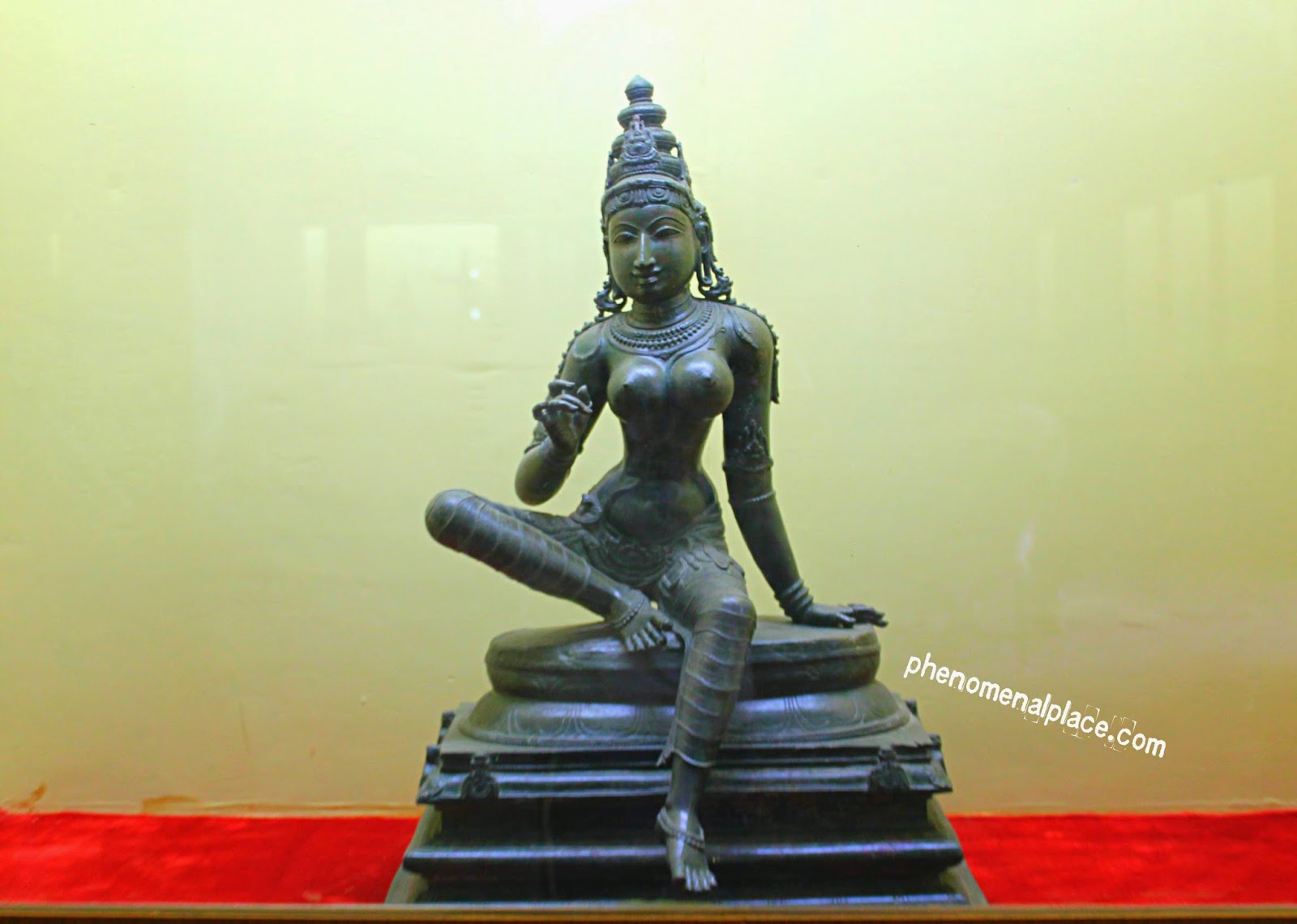
| Parvathi Statue 11th Century A.D |
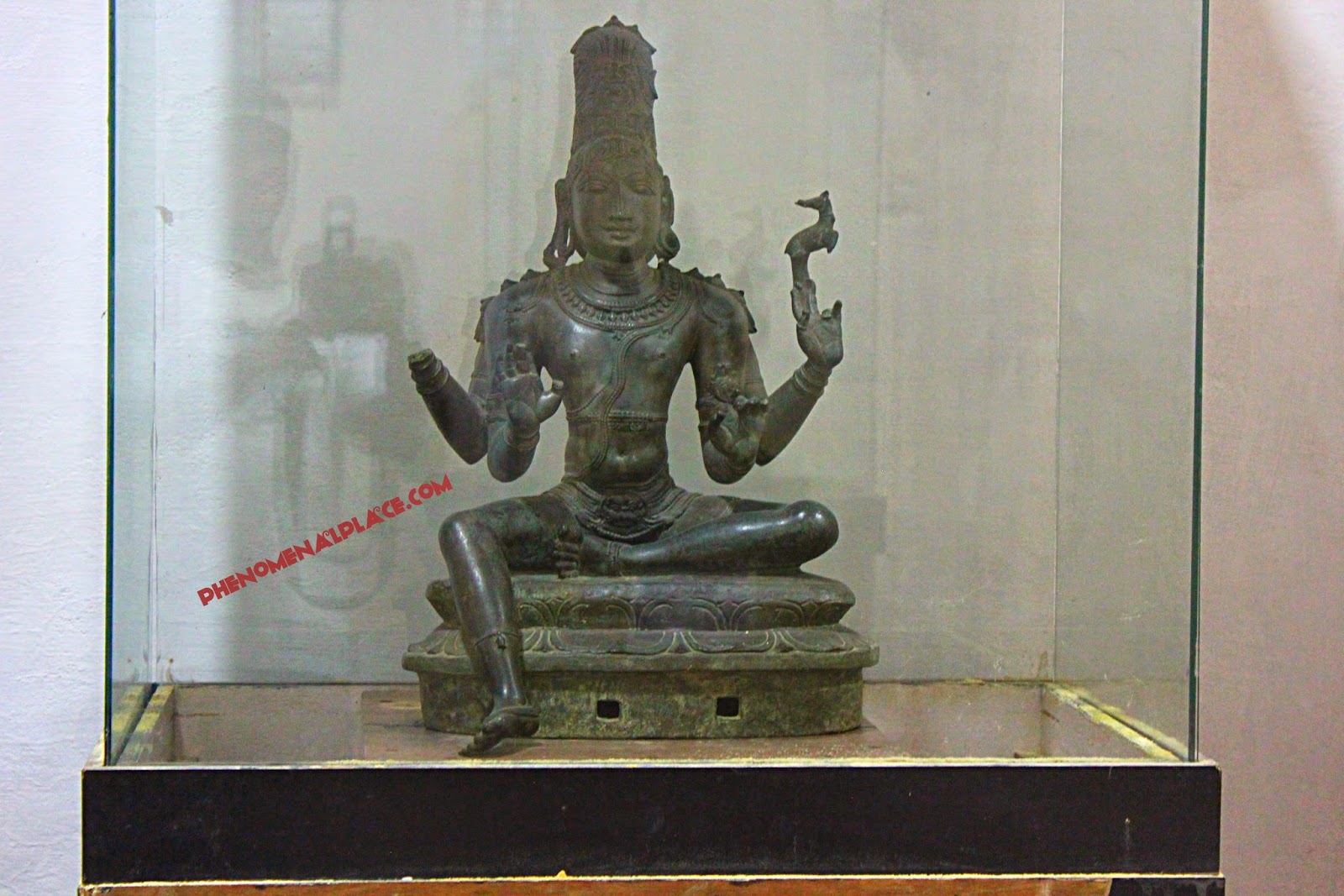 |
| Somaskandha Sculpture, surprisingly single. This representation is usually shown with Shiva's wife and son |
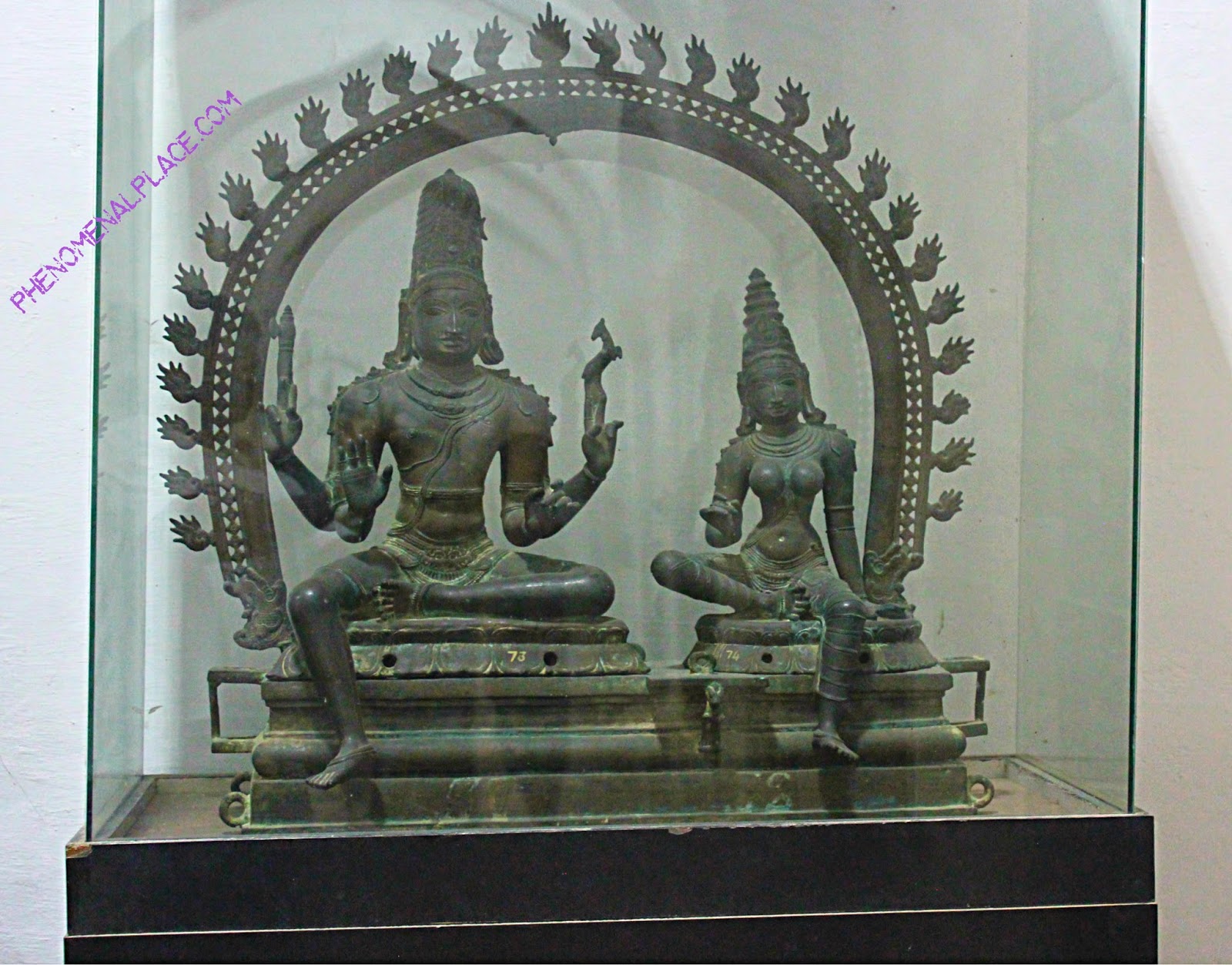 |
| Another Somaskandha Sculpture, without the son (Skanda) |
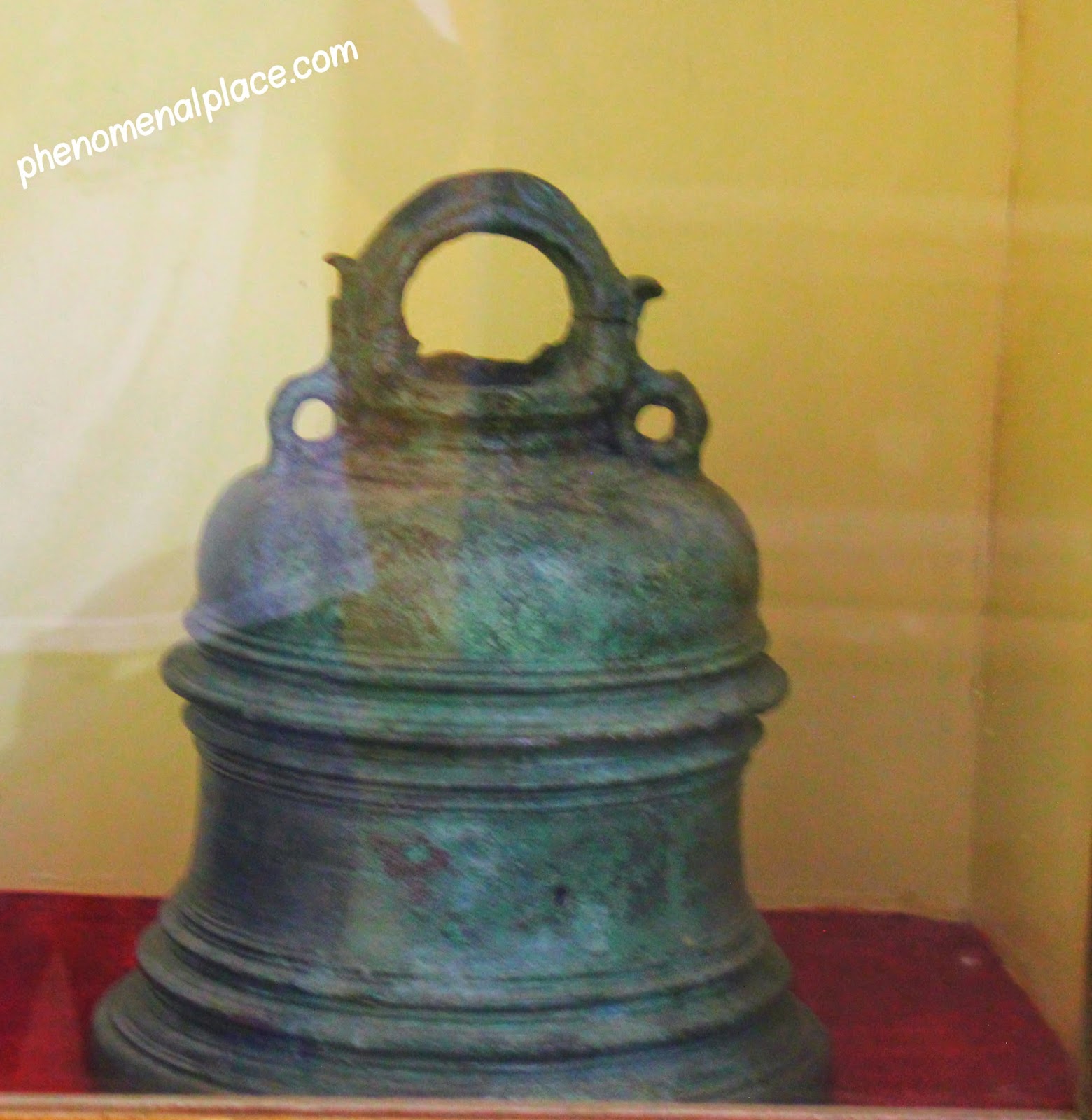 |
| Bronze Temple Bell - 16th Century A.D |
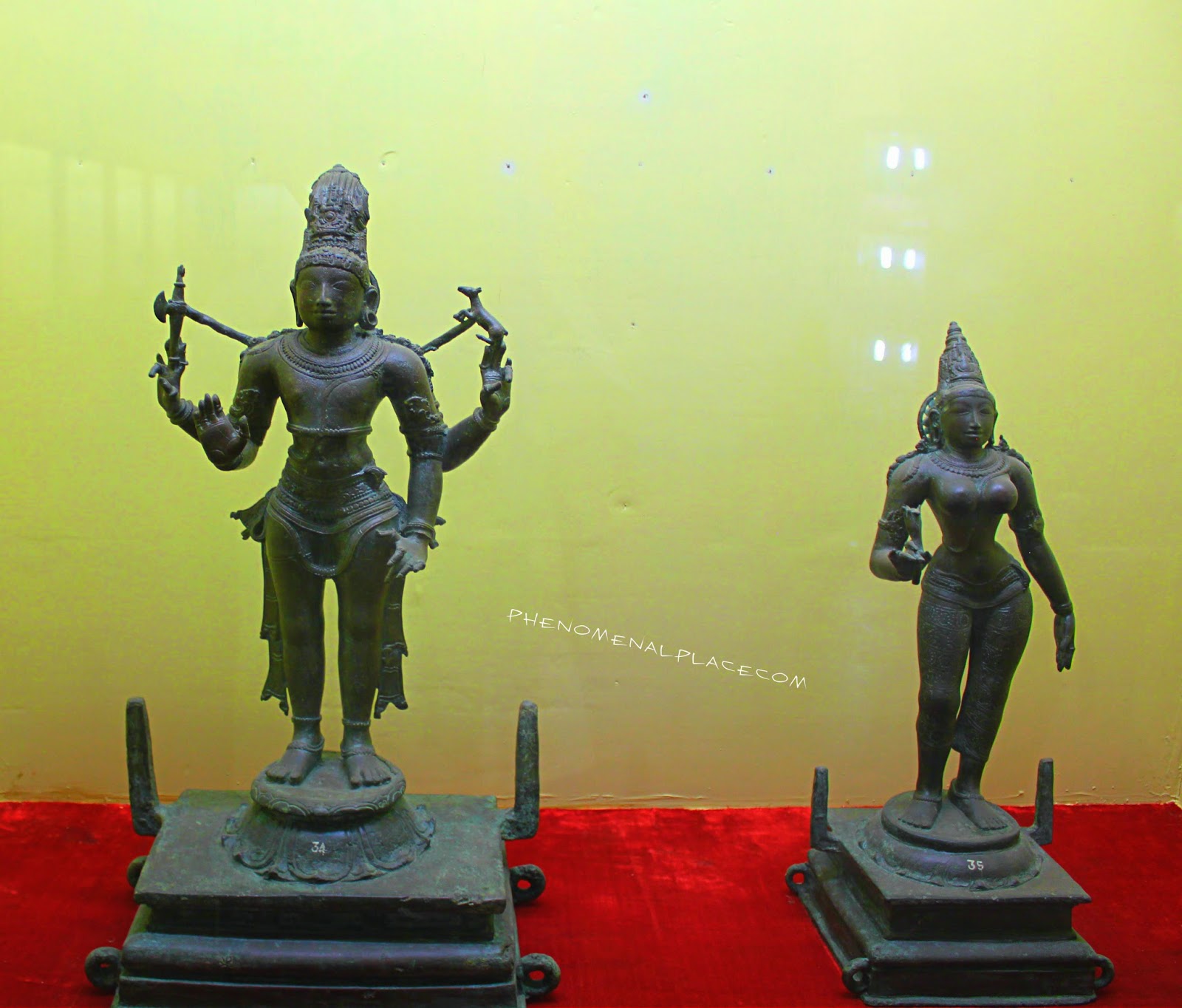 |
| Chandrasekhar with Parvathi -10th Century |
 |
| Another Dhakshinamurthy from 11th Century |
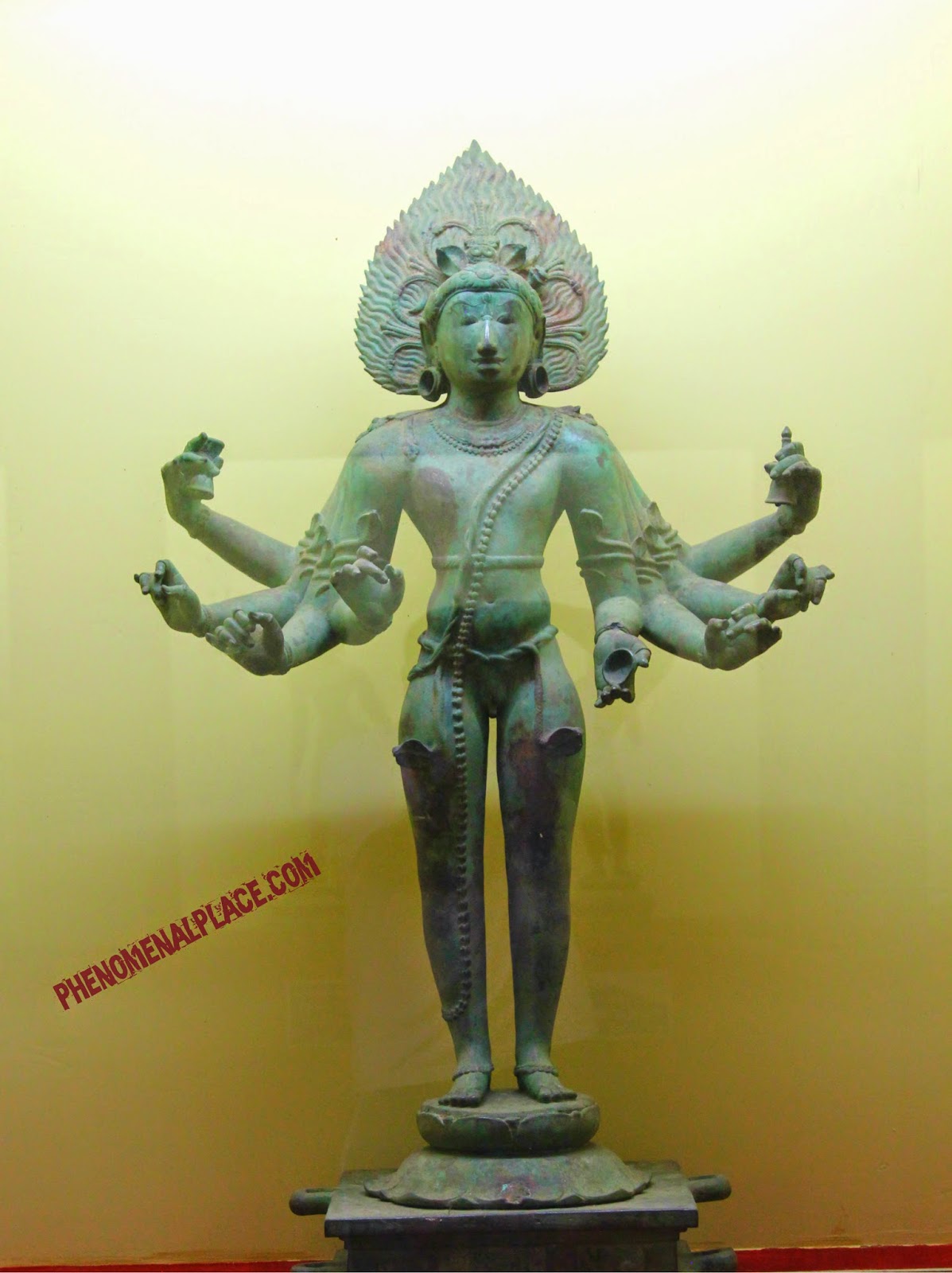 |
| Enthol Mukkan, an unknown deity with 8 arms and wears 2 snakes on his waist |
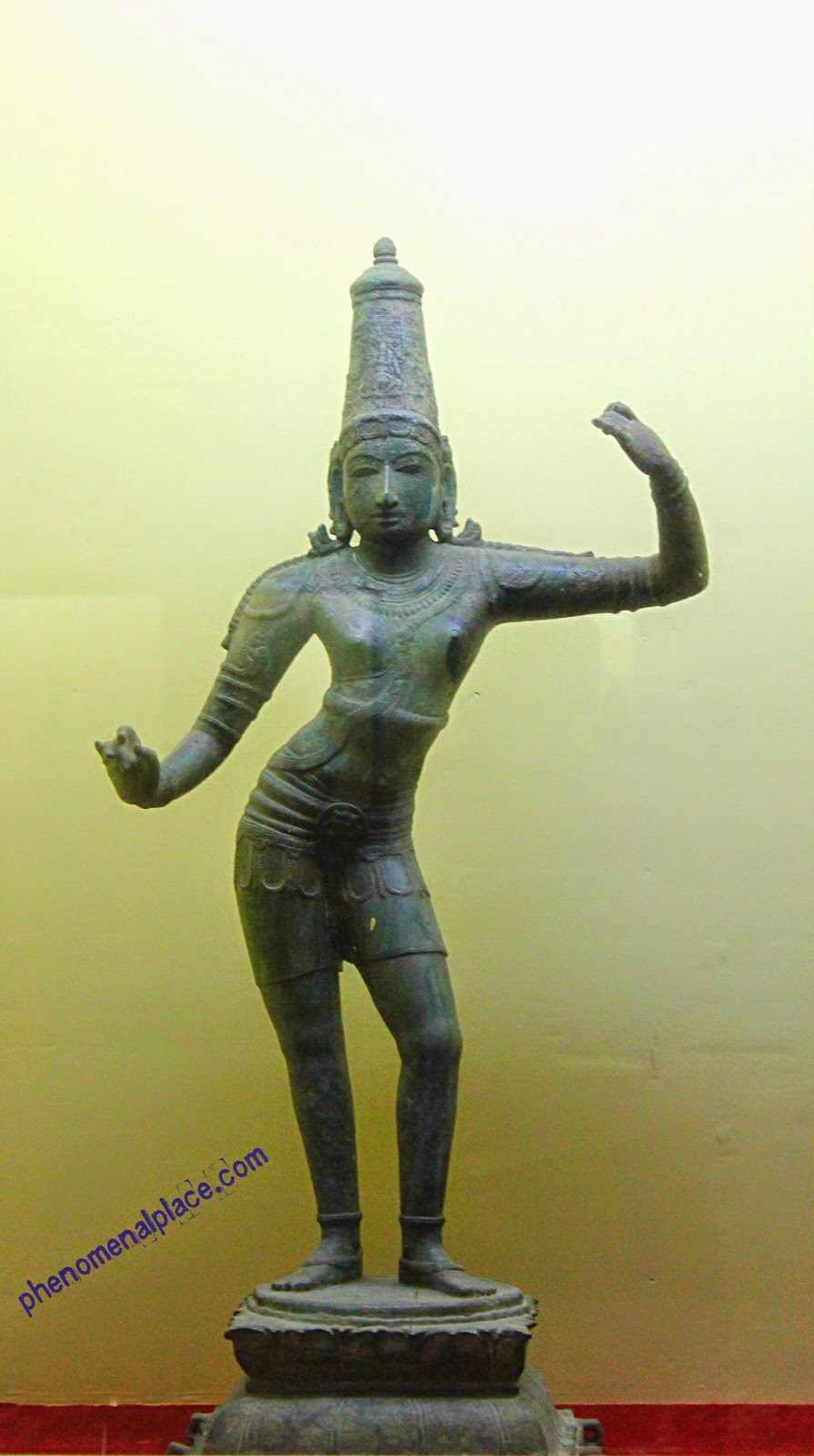 |
| Godhanda Rama, 16th_Century |
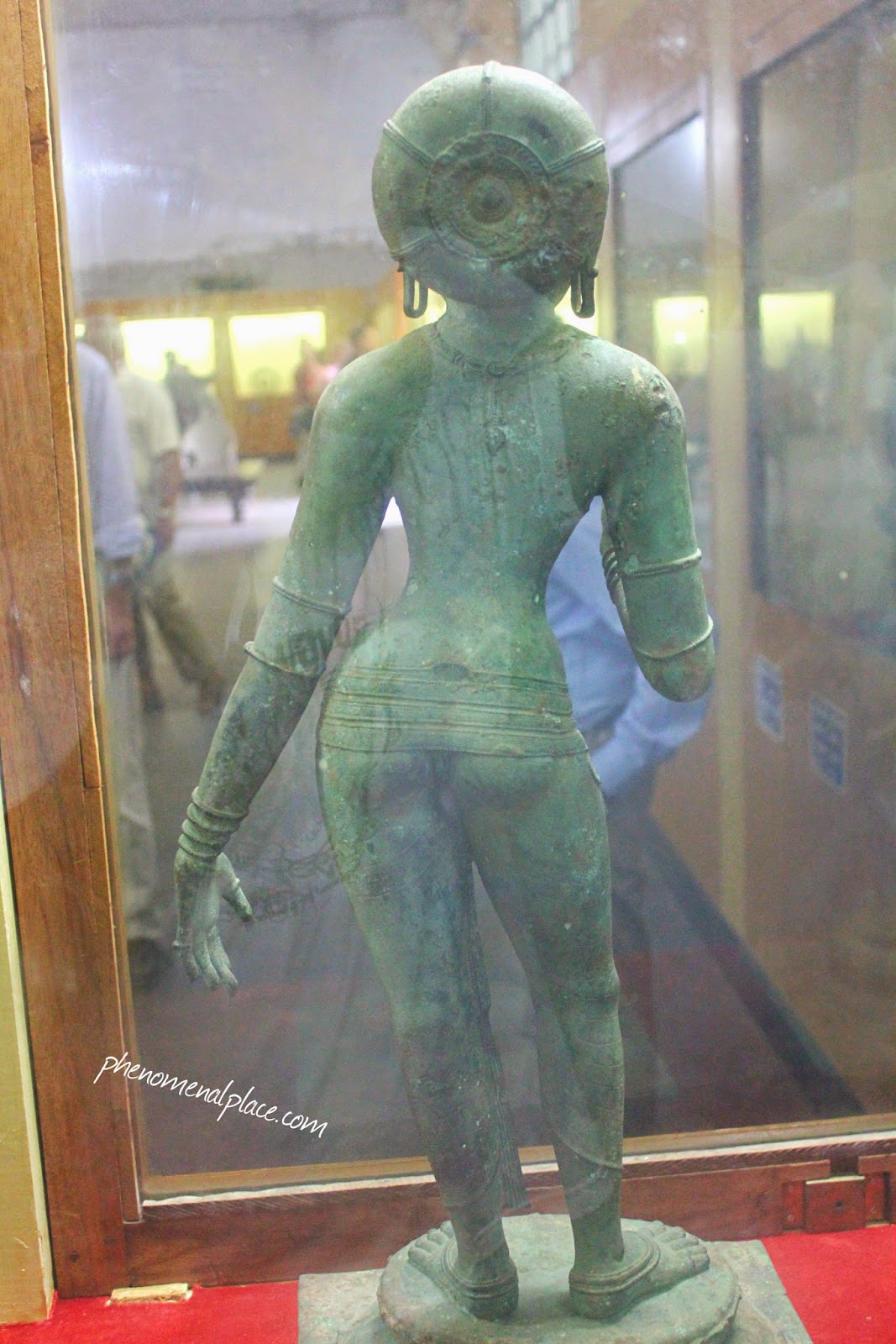 |
| The sculptures were made with precision on the back as well. |
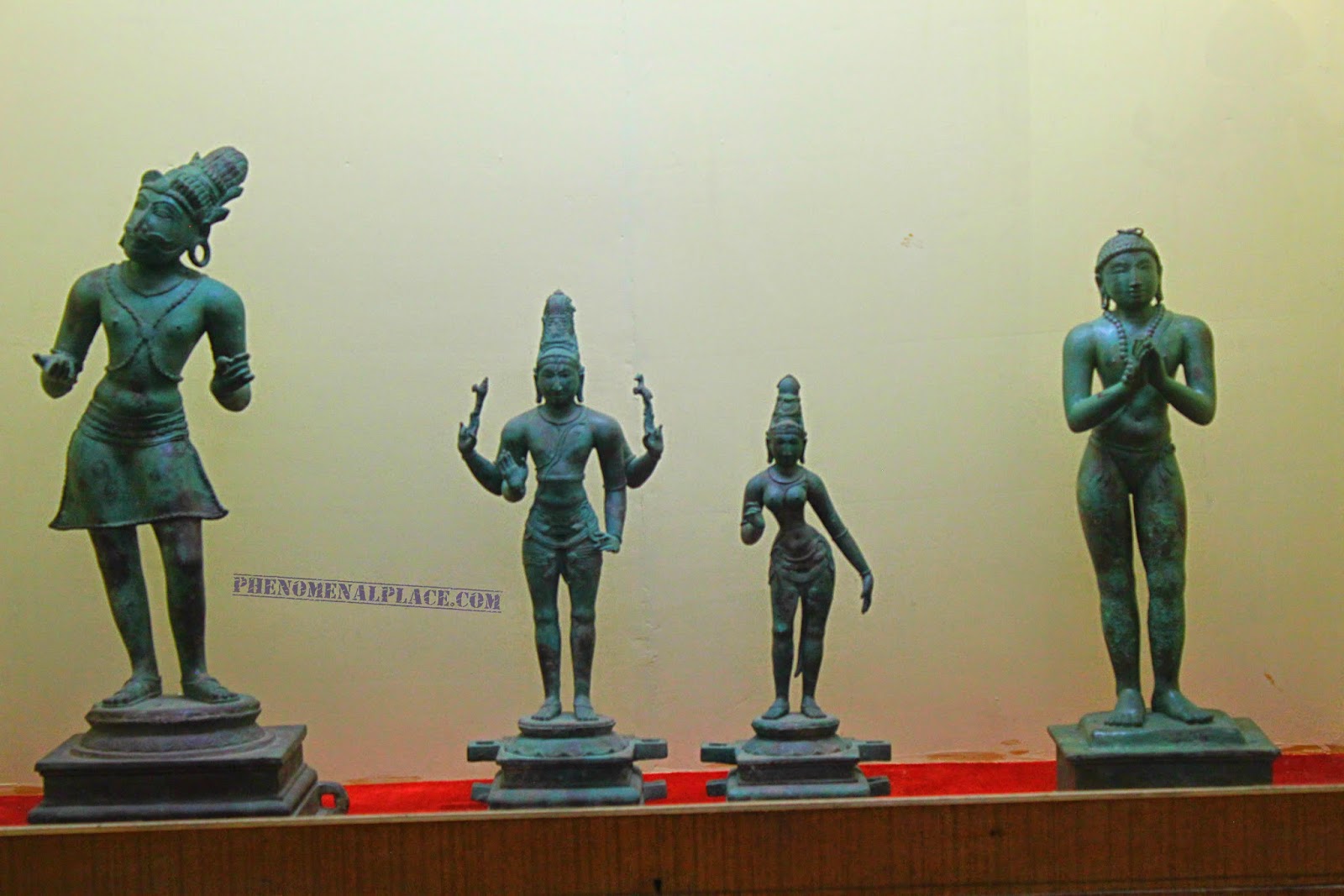 |
| Left: Kannappa Nayanar; Next: Chandrashekar; Next: Parvathi; Rightmost: Pattinathar |
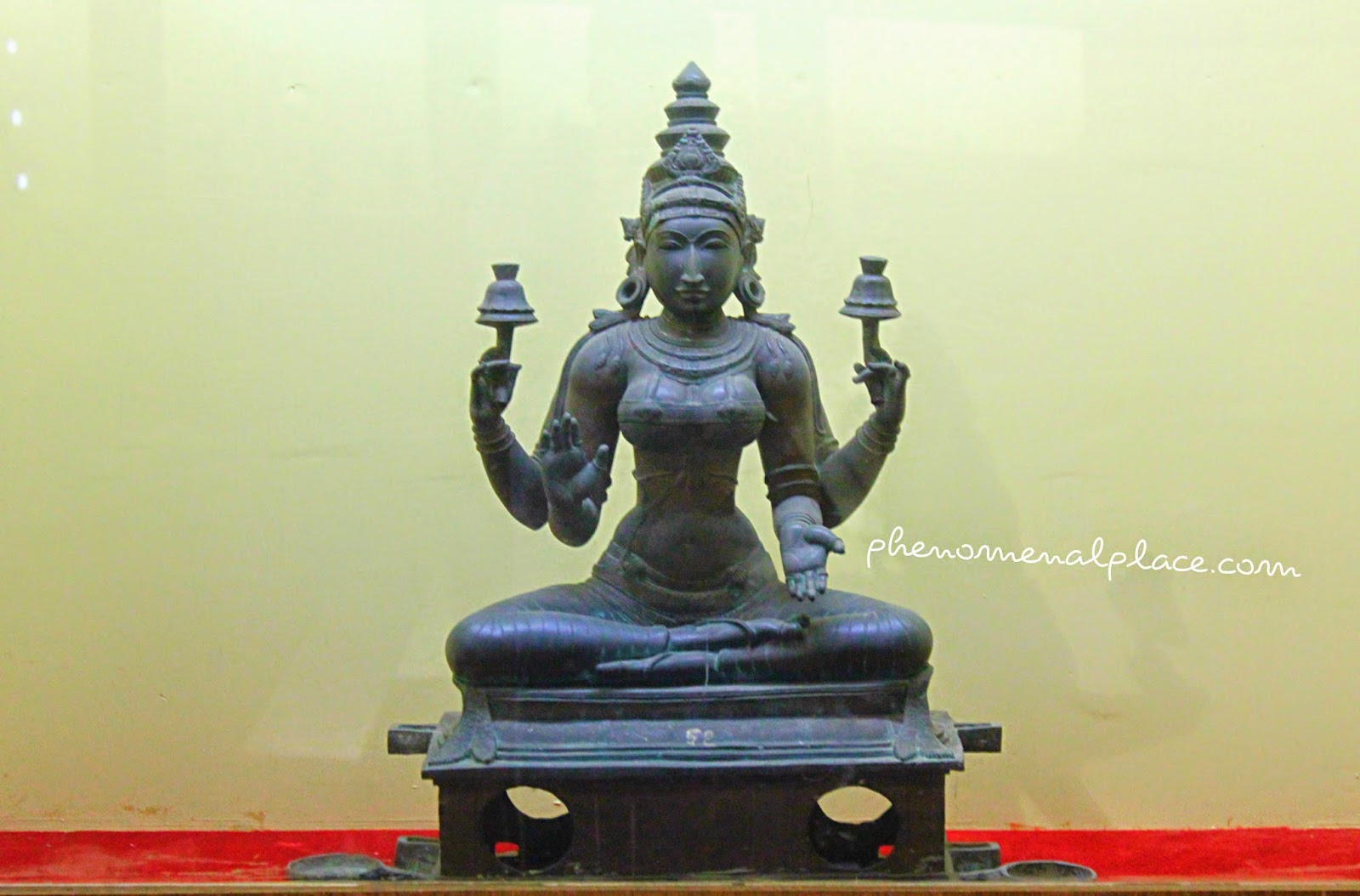 |
| Mahalakshmi - 18th Century A.D |
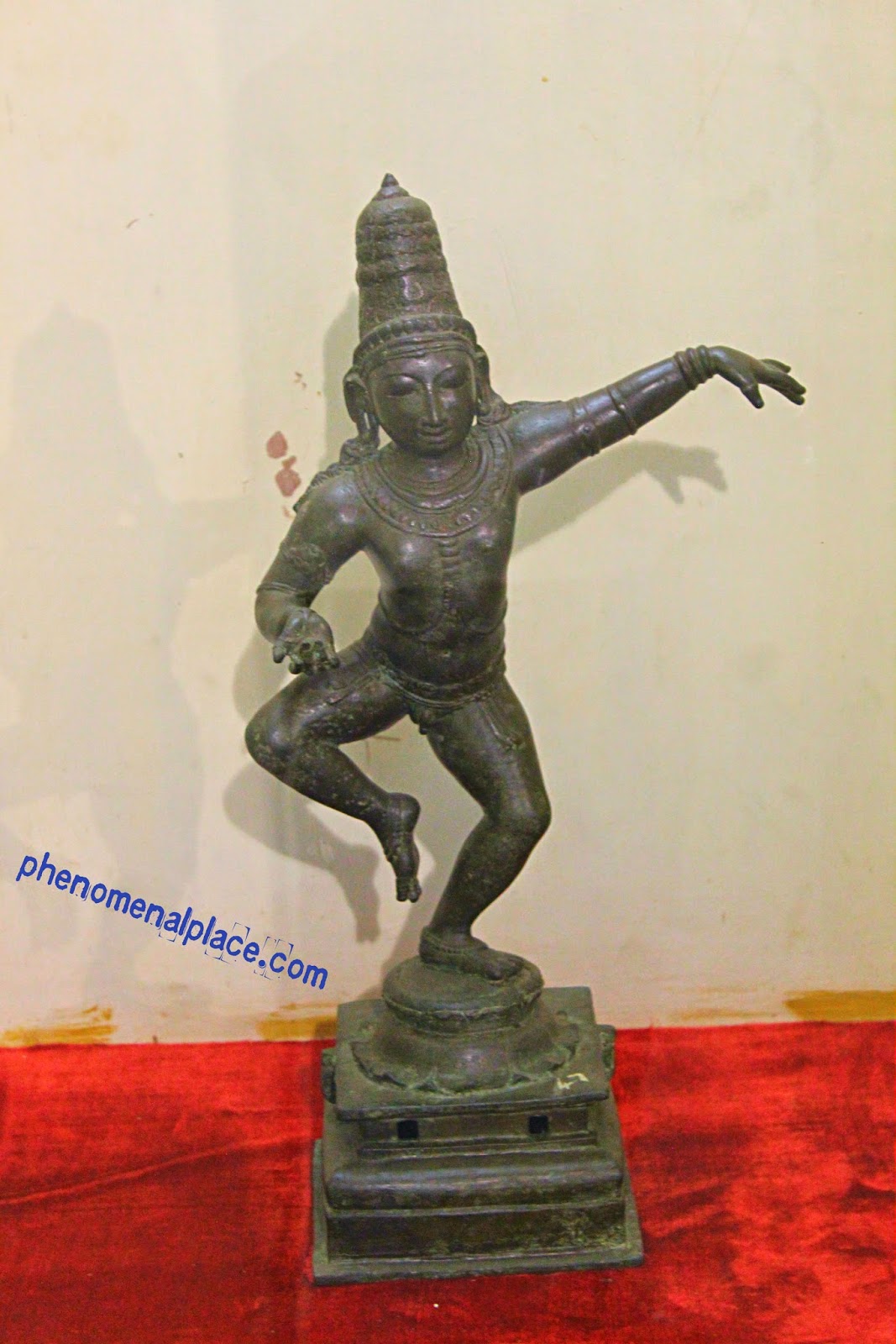 |
| Narthana Krishna; Narthana means Dancing in Sanskrit. 13th Century |
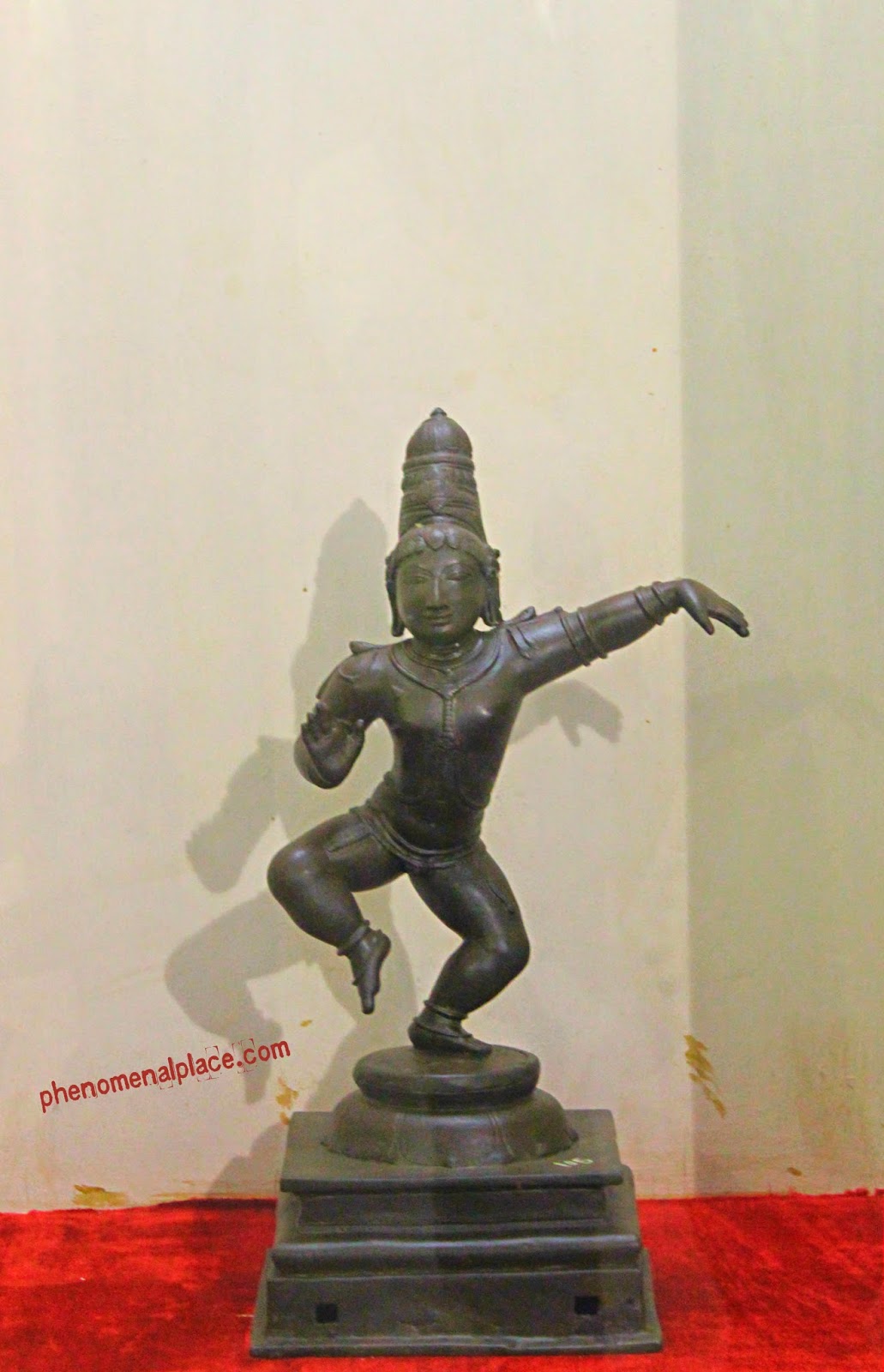 |
| Another Narthana Krishna from 16th century. |
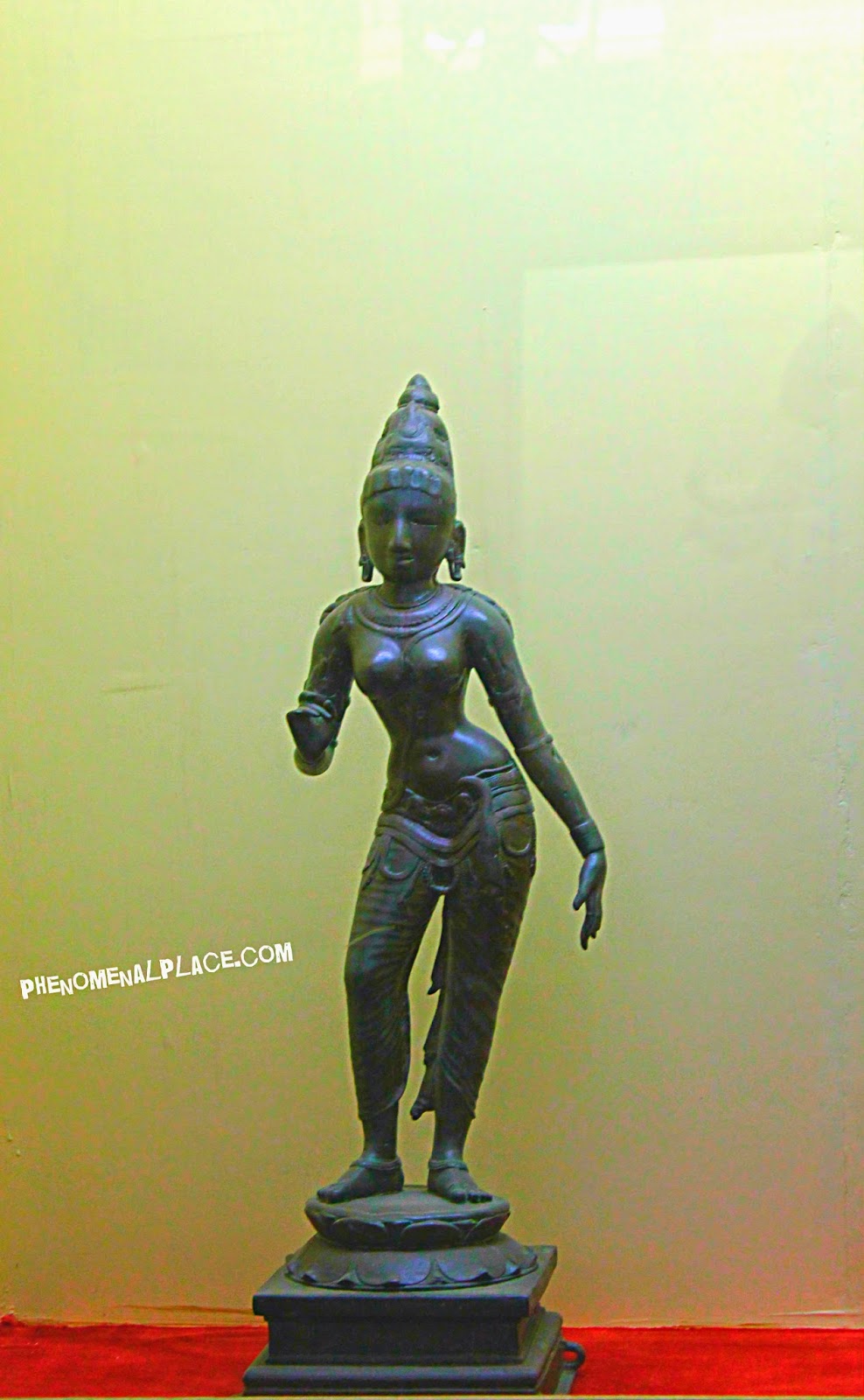 |
| Parvathi - 9th century |
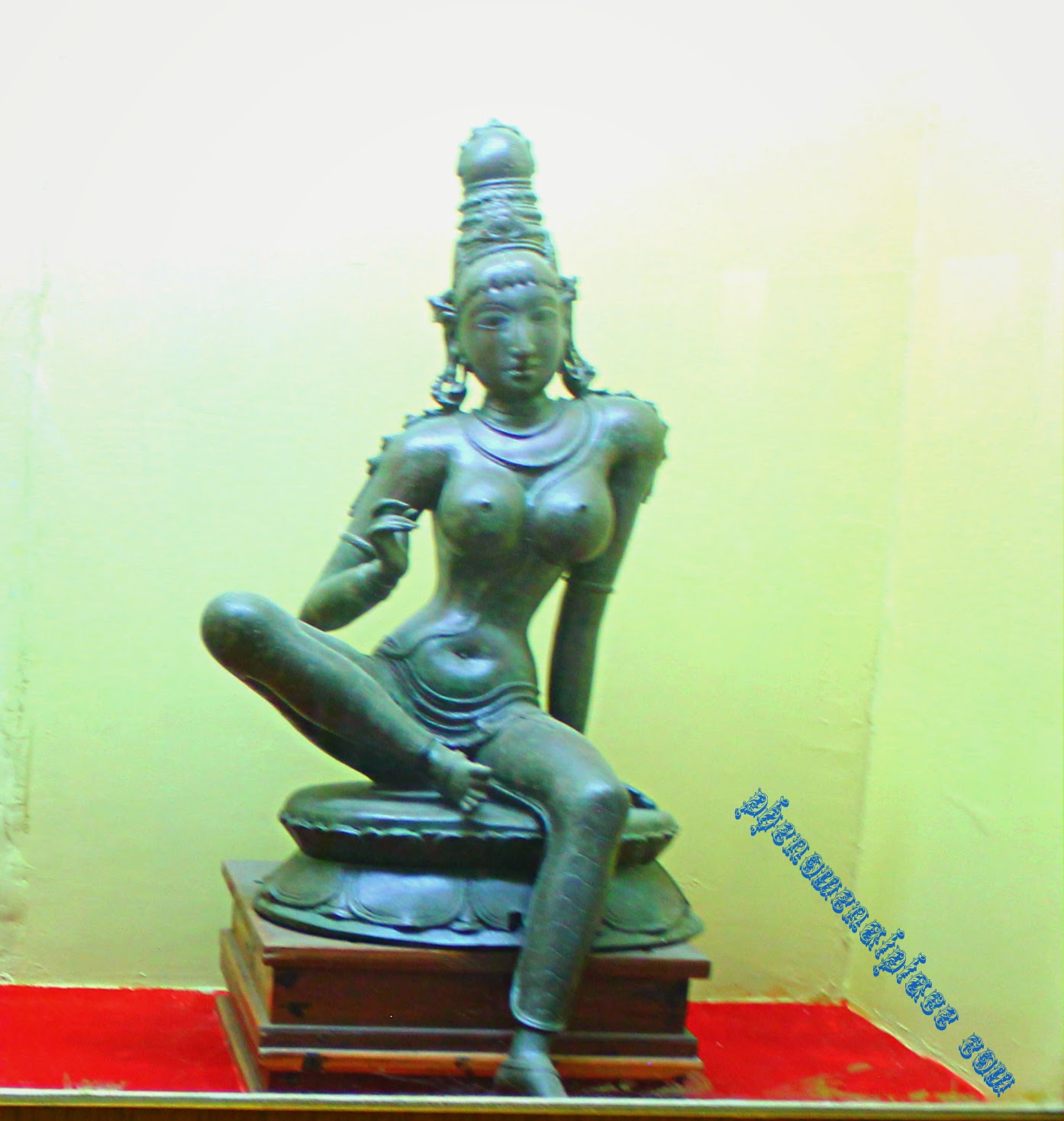 |
| Parvathi from 14th century |
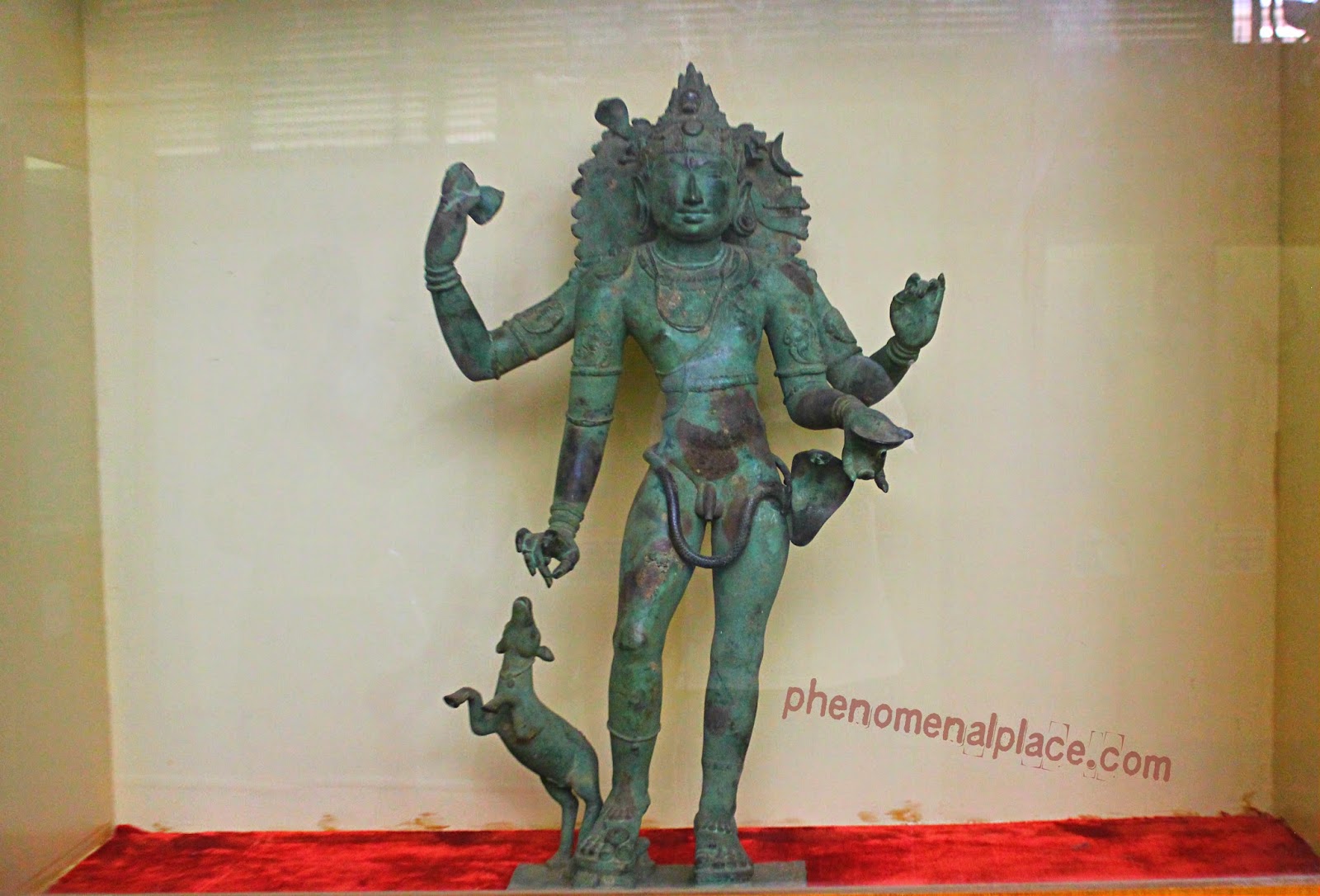 |
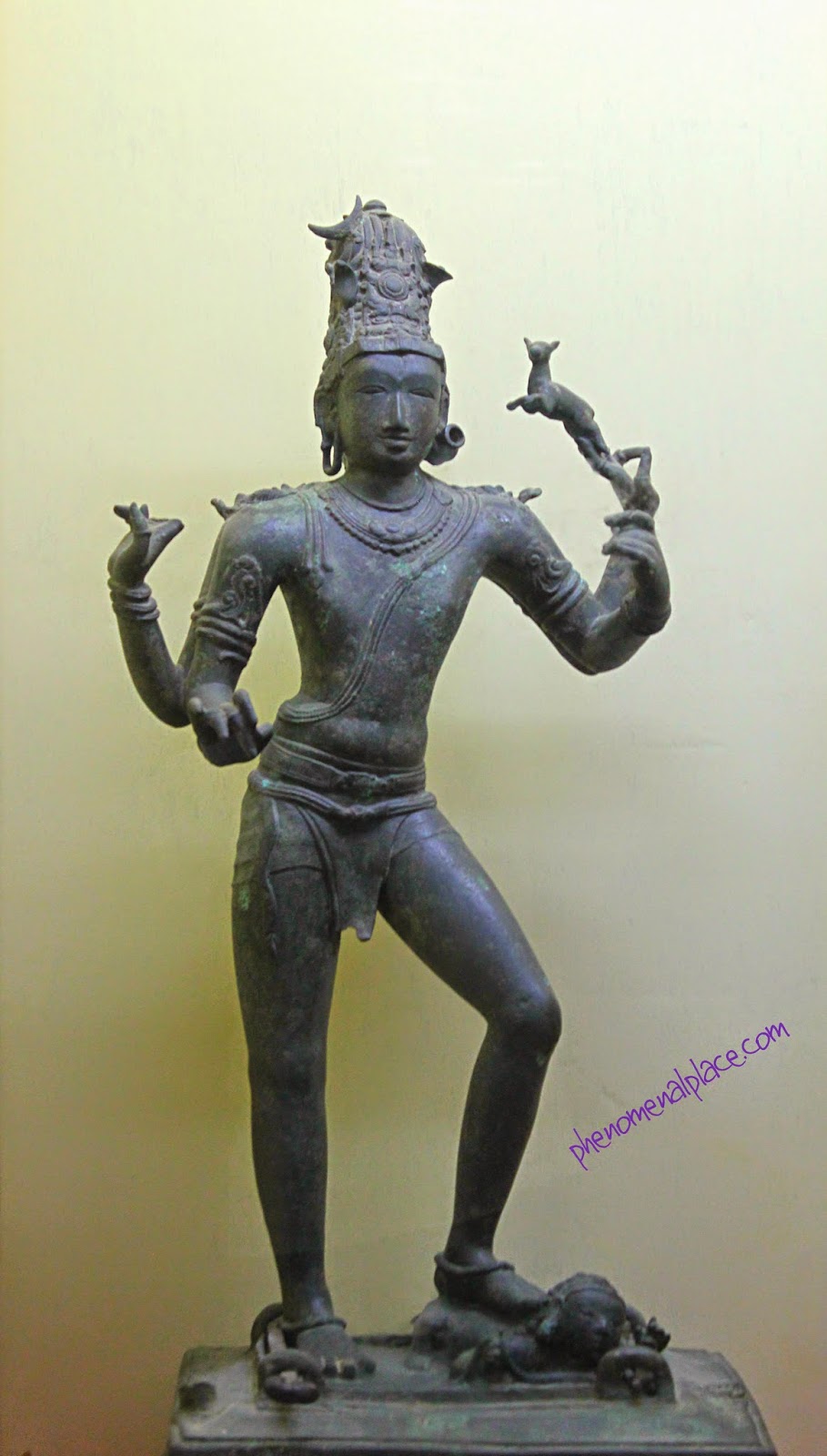
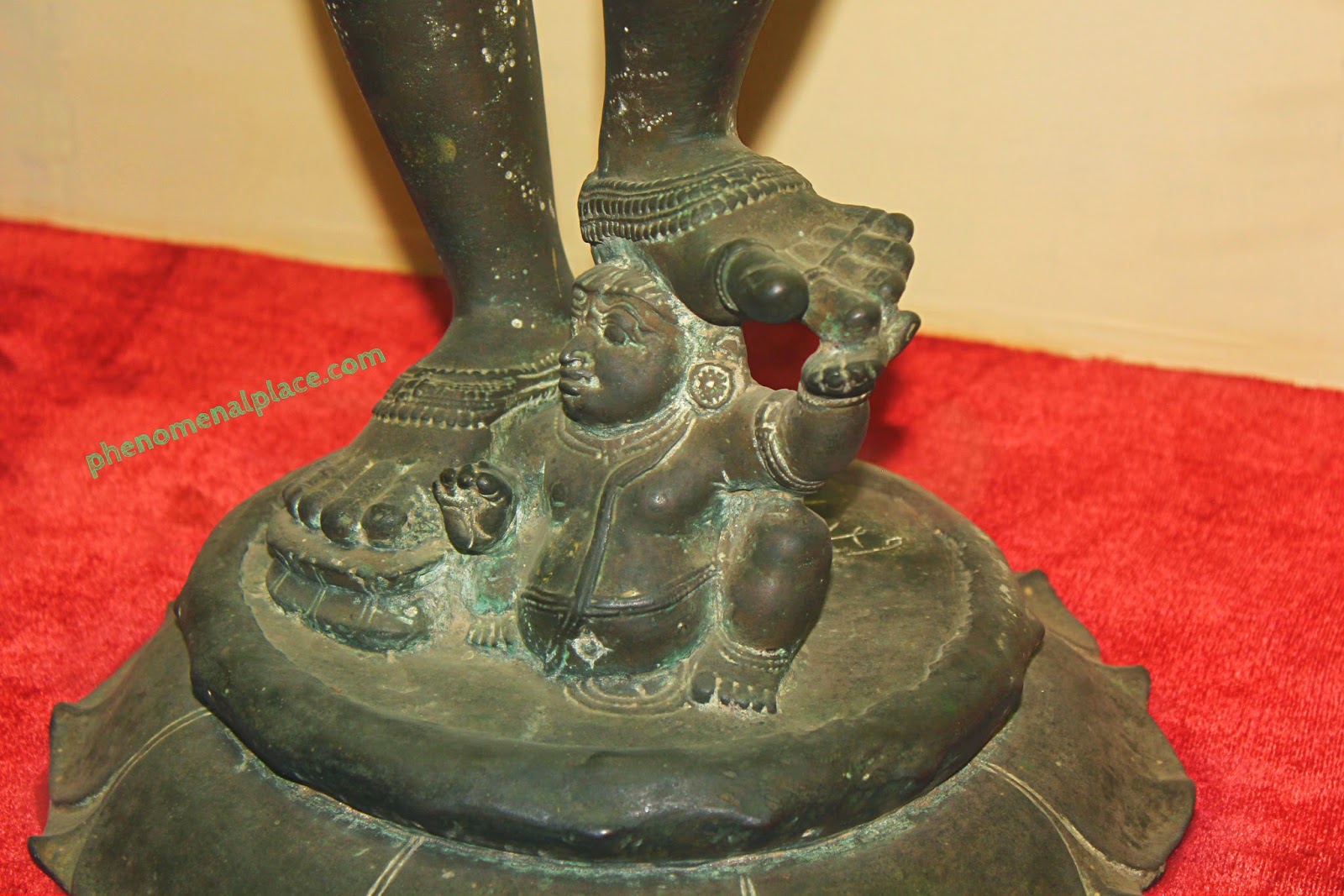
Bhikshatana (Sanskrit: भिक्षाटन;), a representation of Shiva as a beggar. Notice that has no clothes on and has a snake in his waist. In this form, he is often shown with a pet deer. Bhikshatana is most popular in Tamil Nadu and his icons are almost non existent in North India.
|
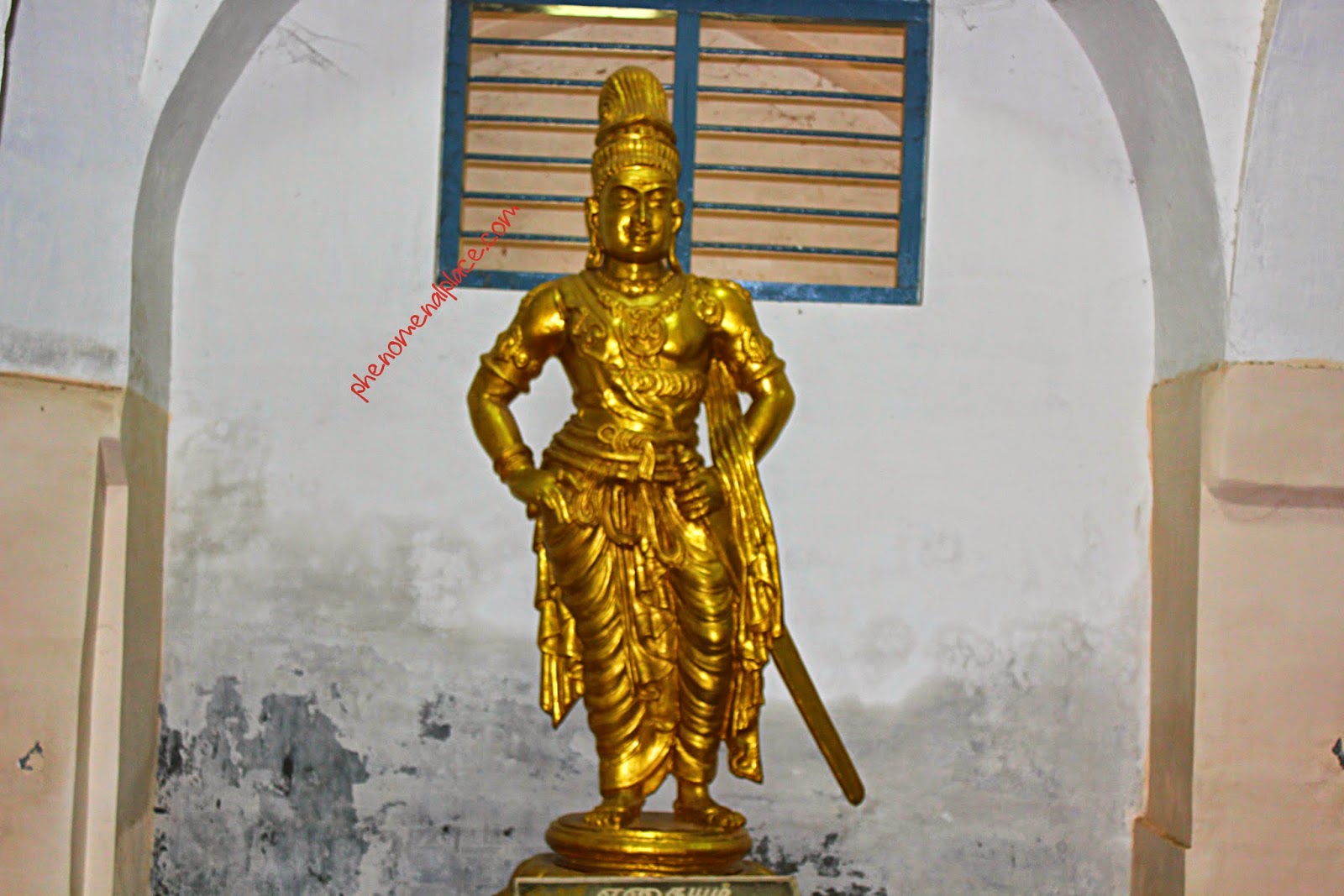 |
| A statue of Raja Raja Chola, made recently |
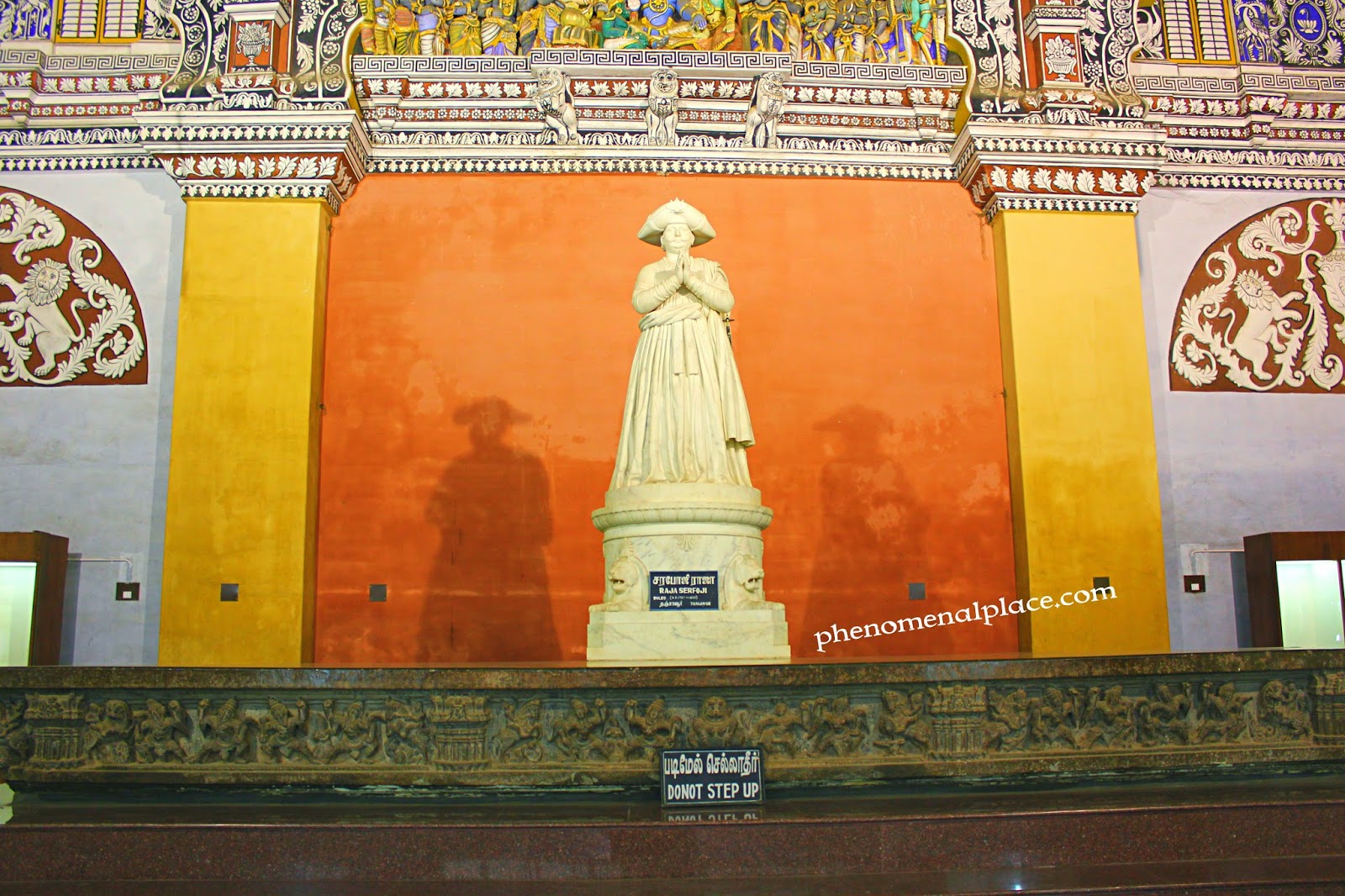 |
| A statue of King Serfoji II is placed in the Durbar hall. |
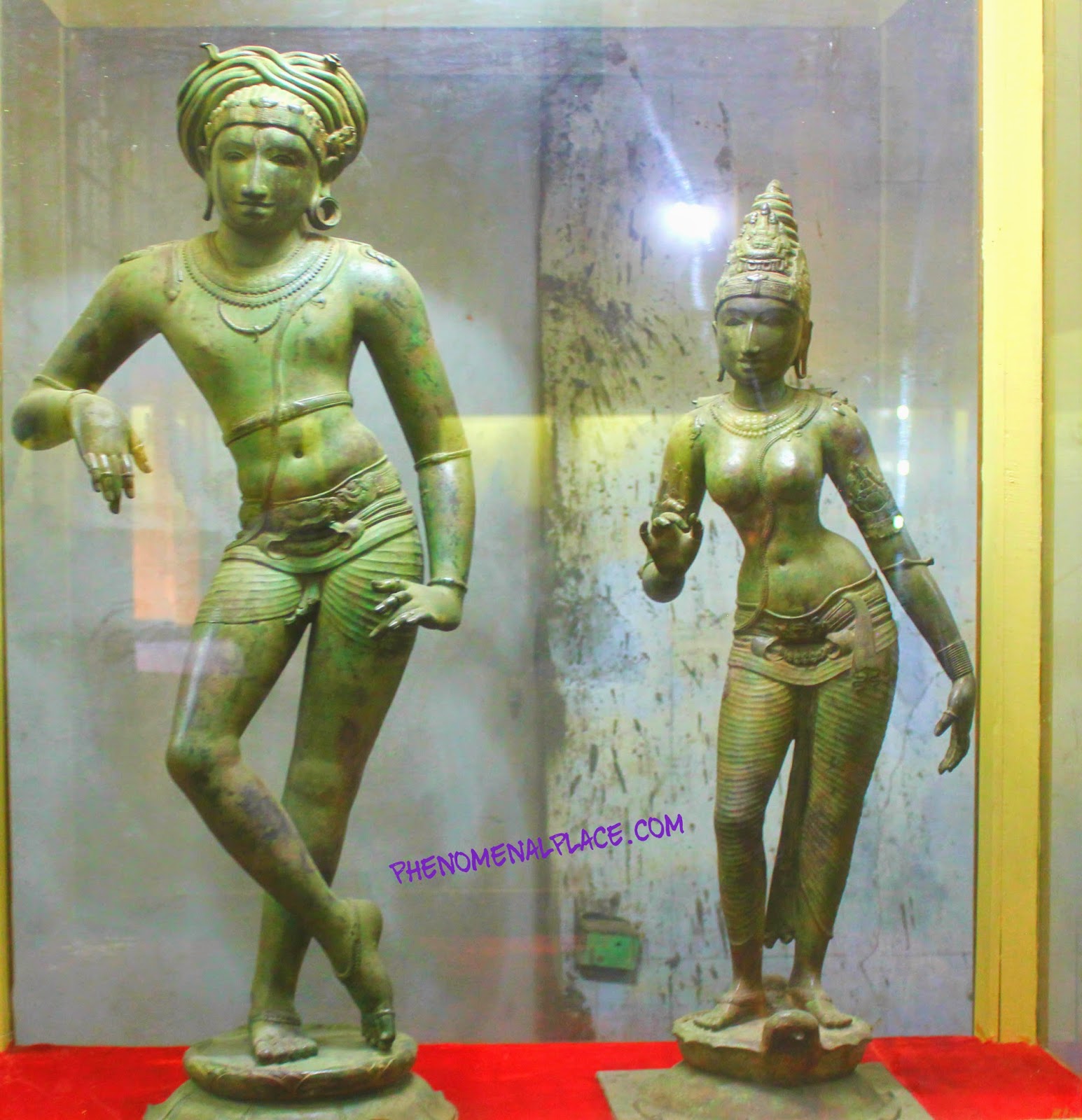 |
| Rishabavaghana and Parvathi |
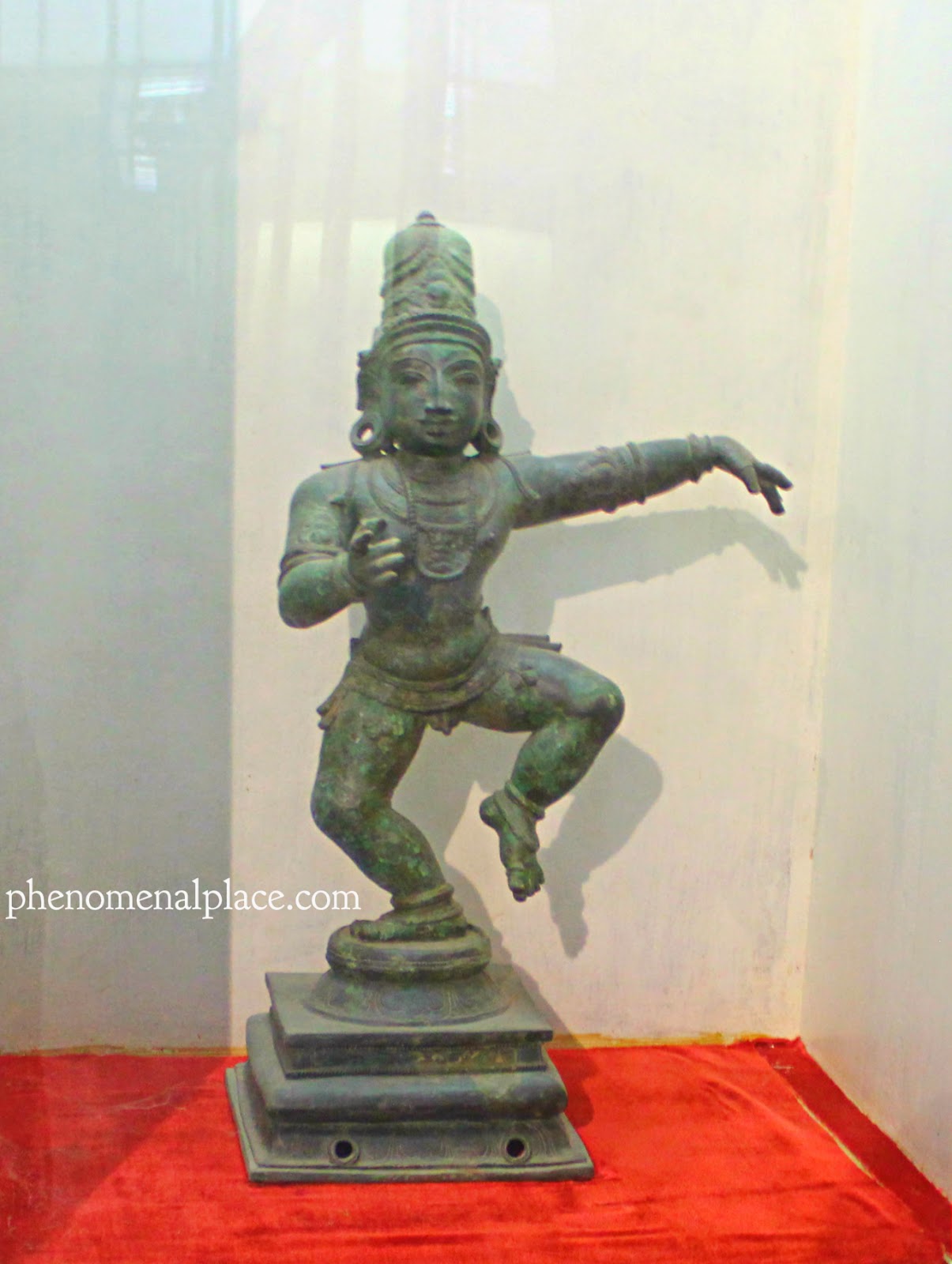 |
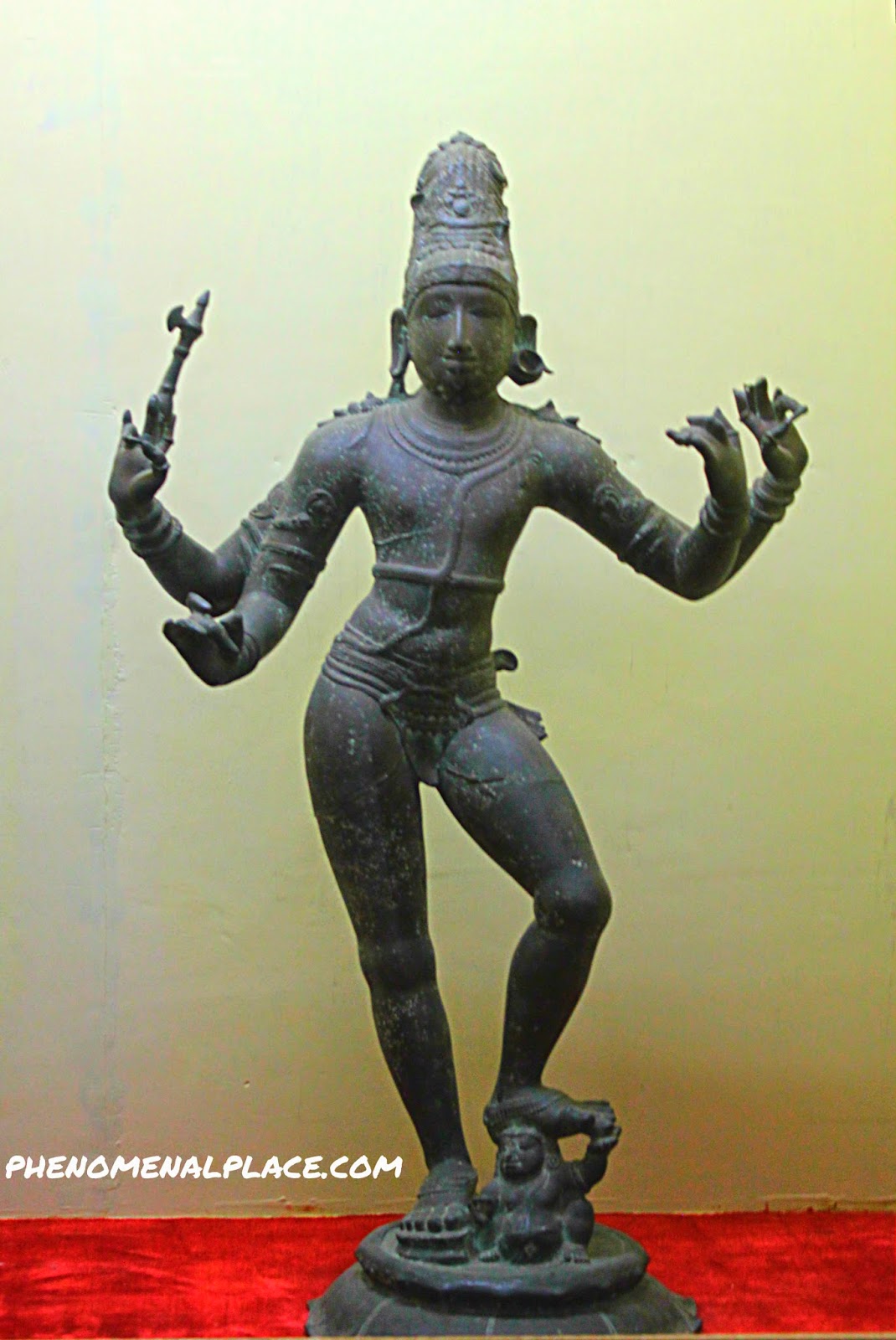
| Sambandar, a child poet shown in a dancing pose. 12th century |
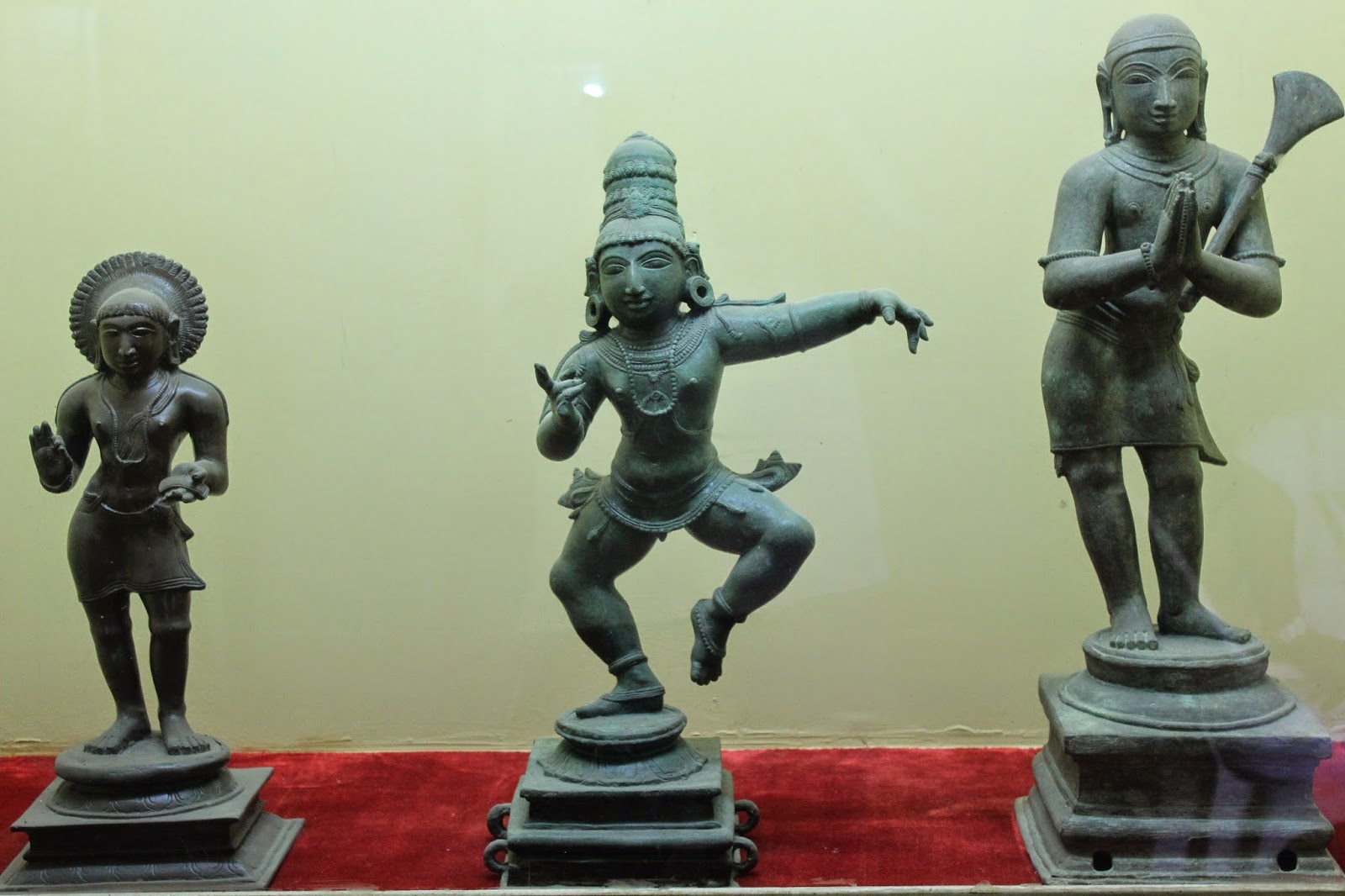 |
| Left: Unknown; Middle: Sambandar; Right: Appar |
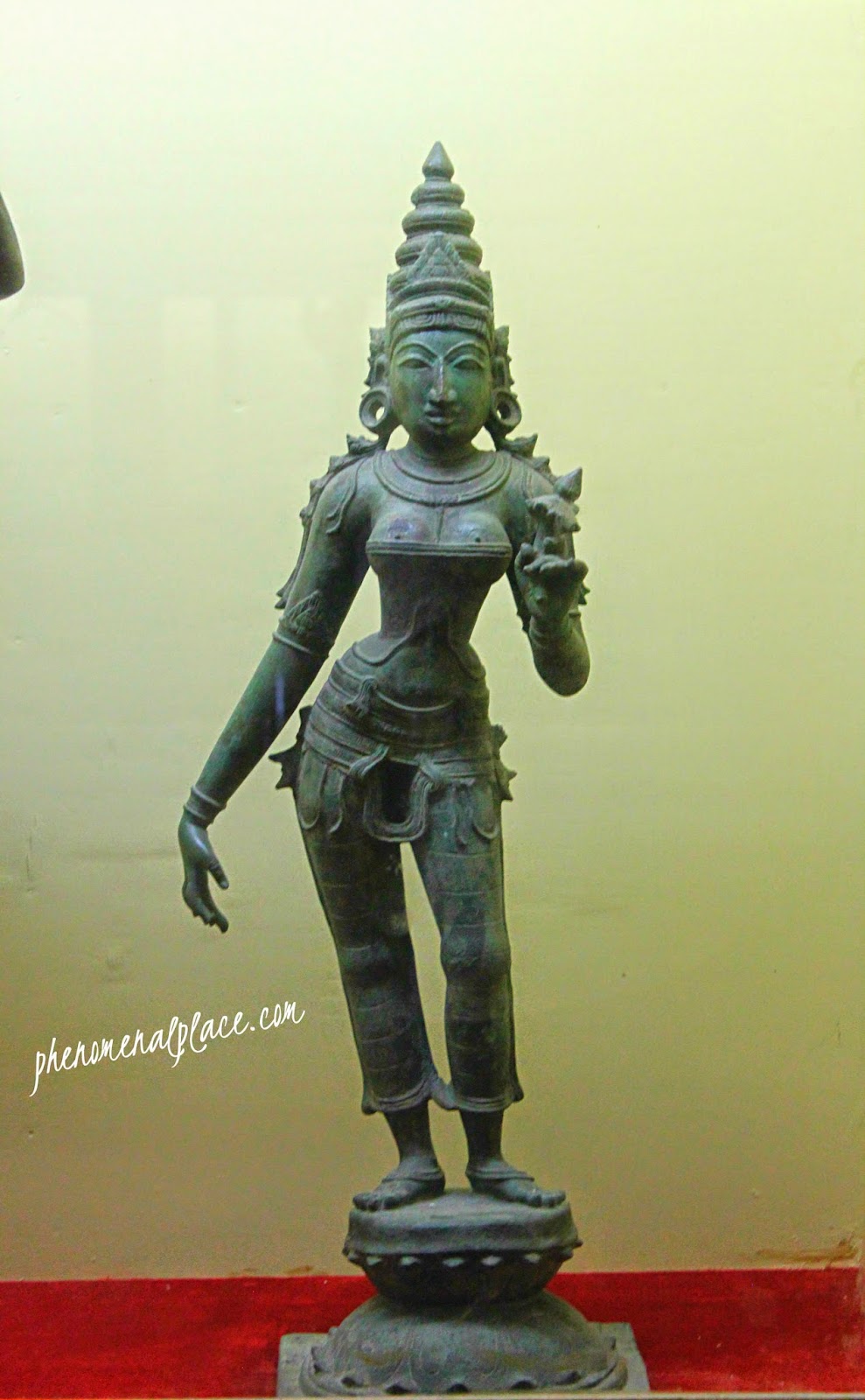 |
| Sita, 16th Century |
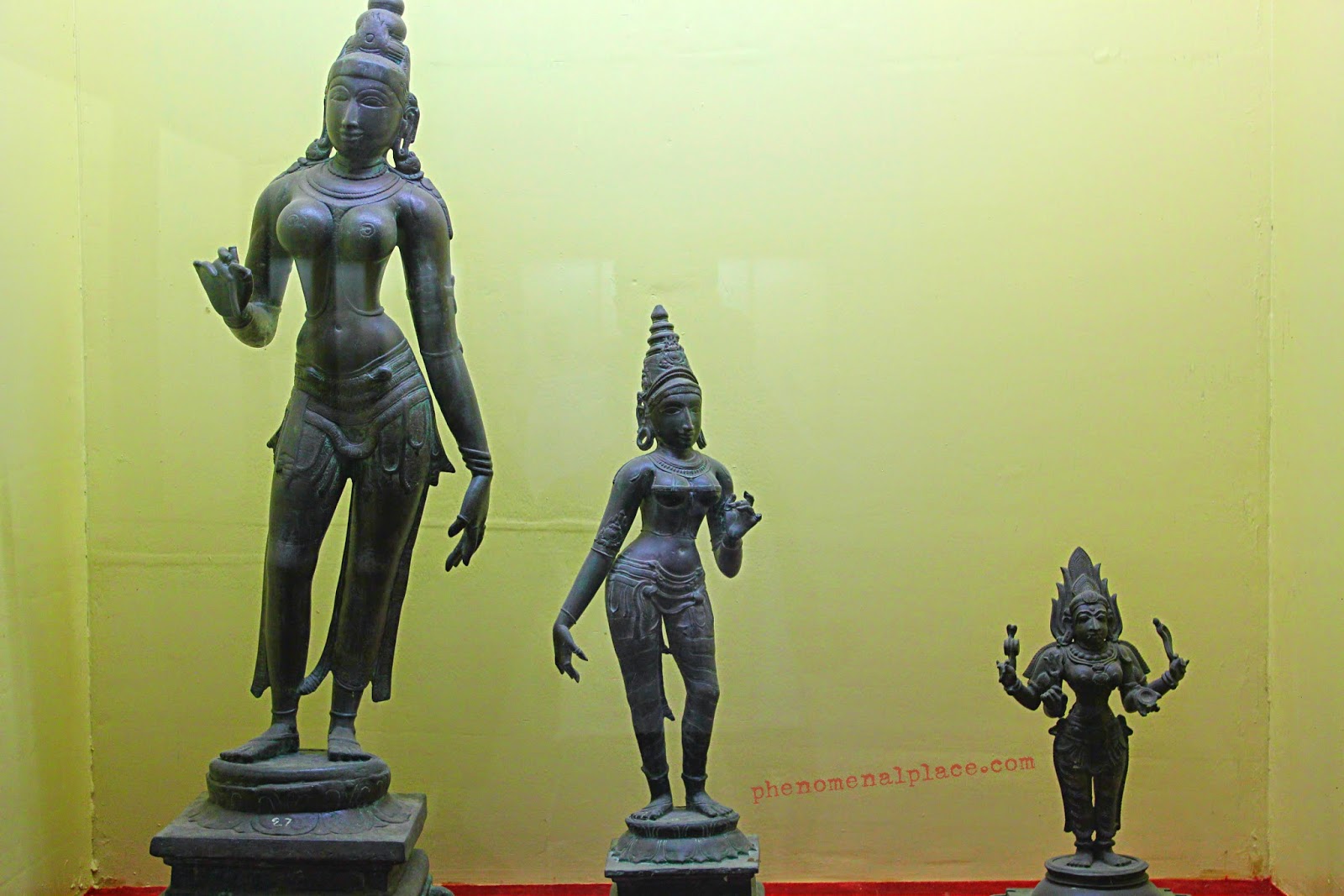 |
| Left: Sivagami; Middle: Sridevi; Right: Kali Amman |
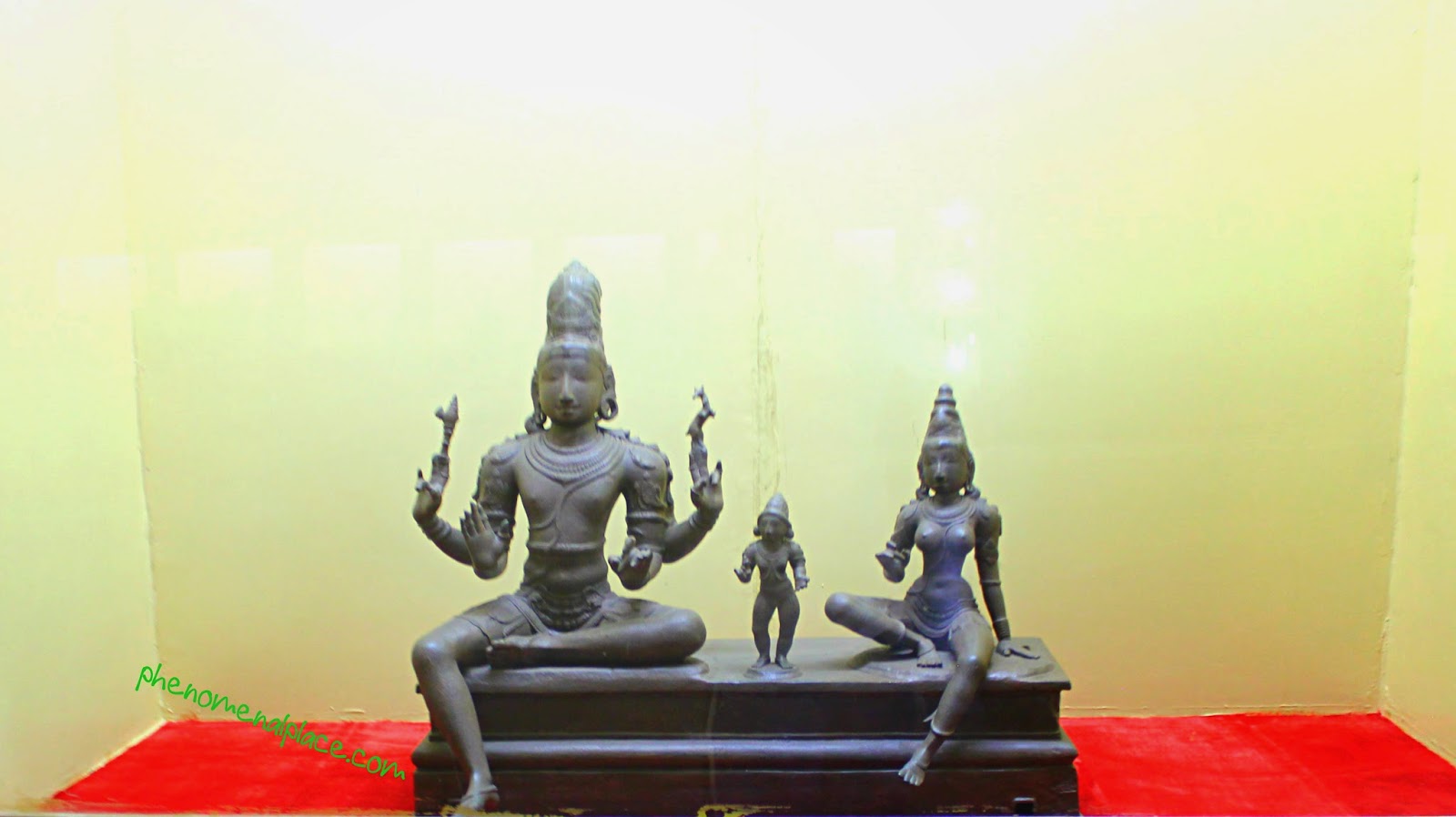 |
| Somaskanda (Shiva) is shown with his wife Parvathi and his son Skanda in the middle |
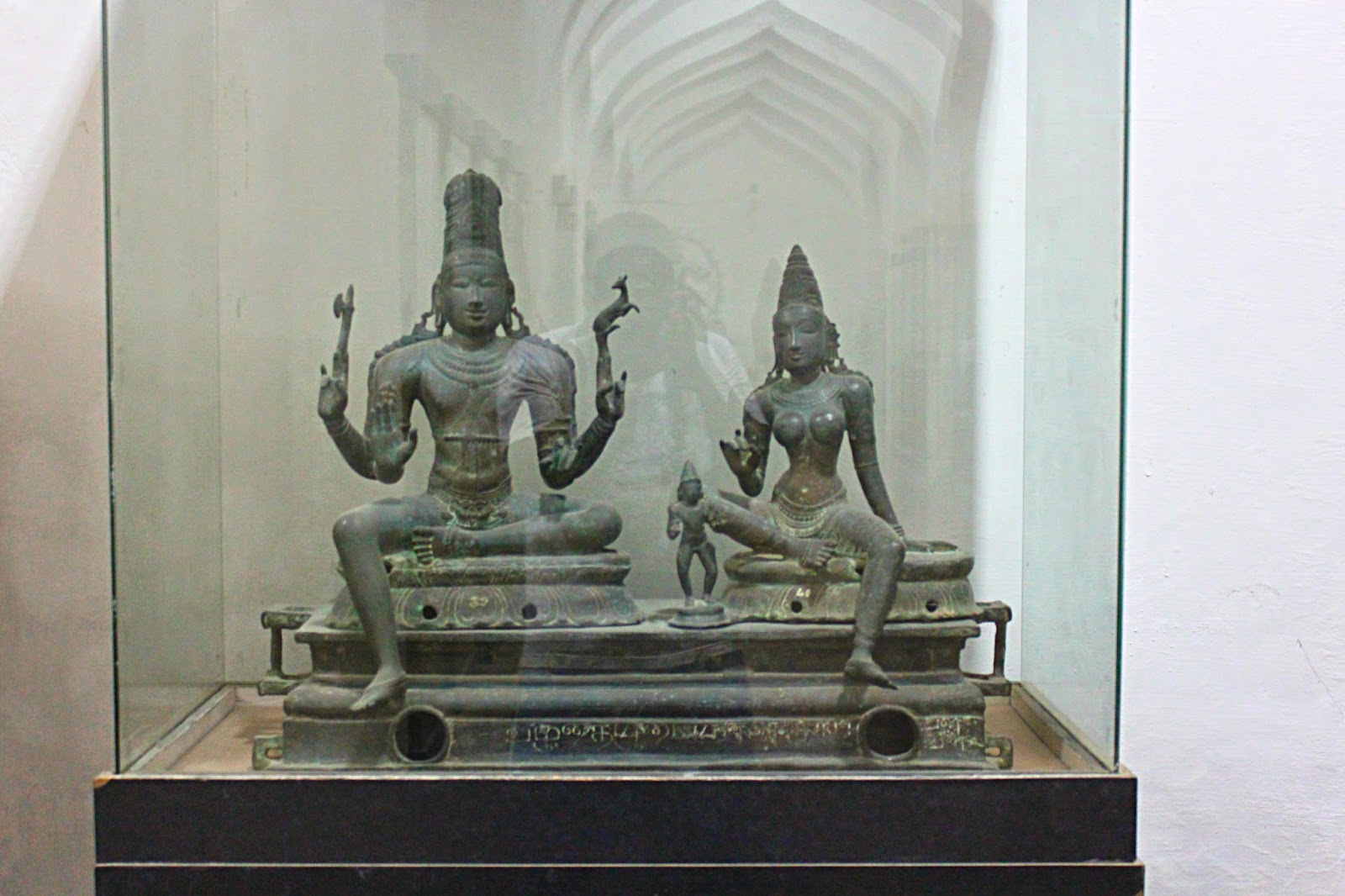 |
| Another Somaskanda Statue, please ignore the reflection :) |
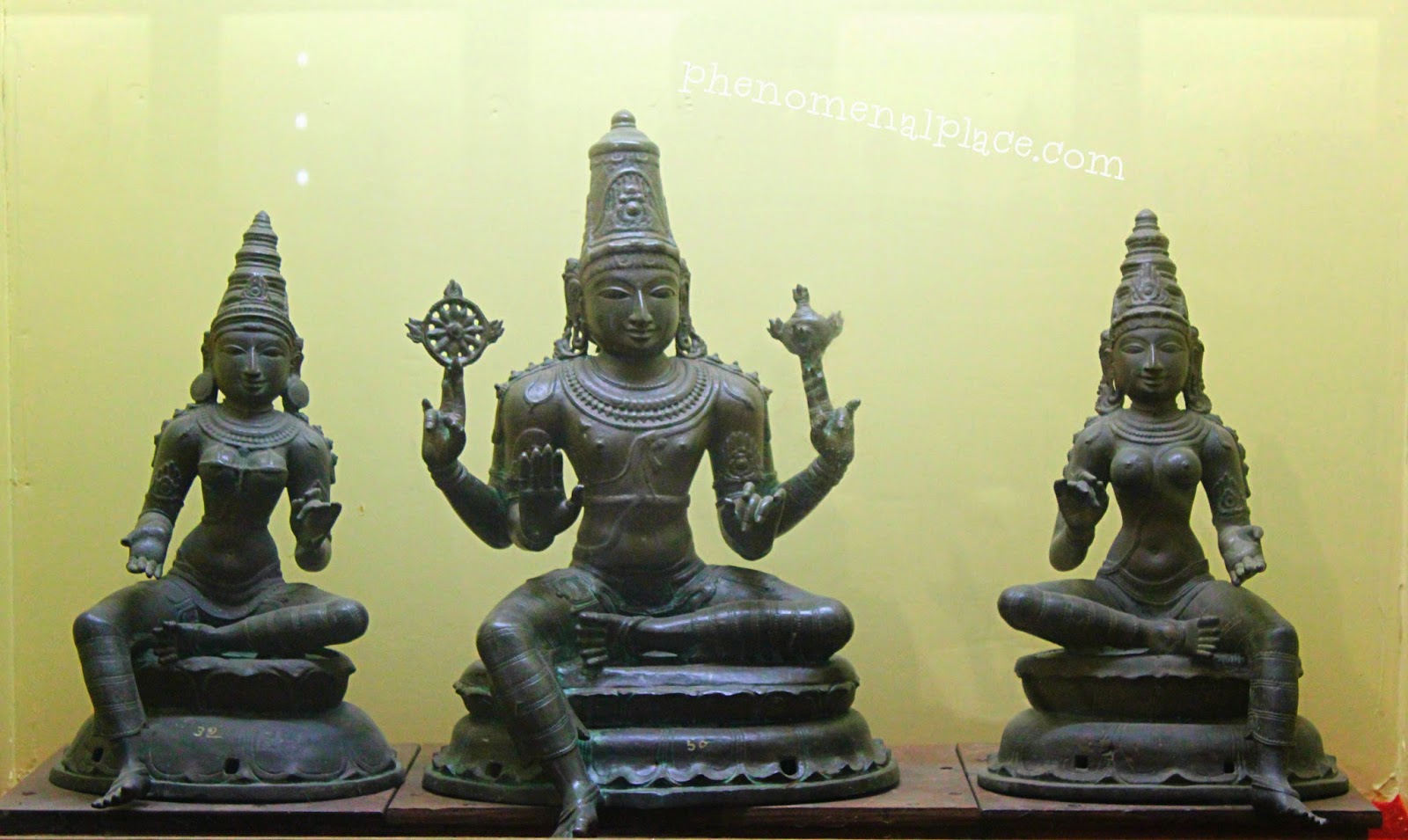 |
| Vishnu in the middle with Sridevi on the left and Bhudevi on the right |
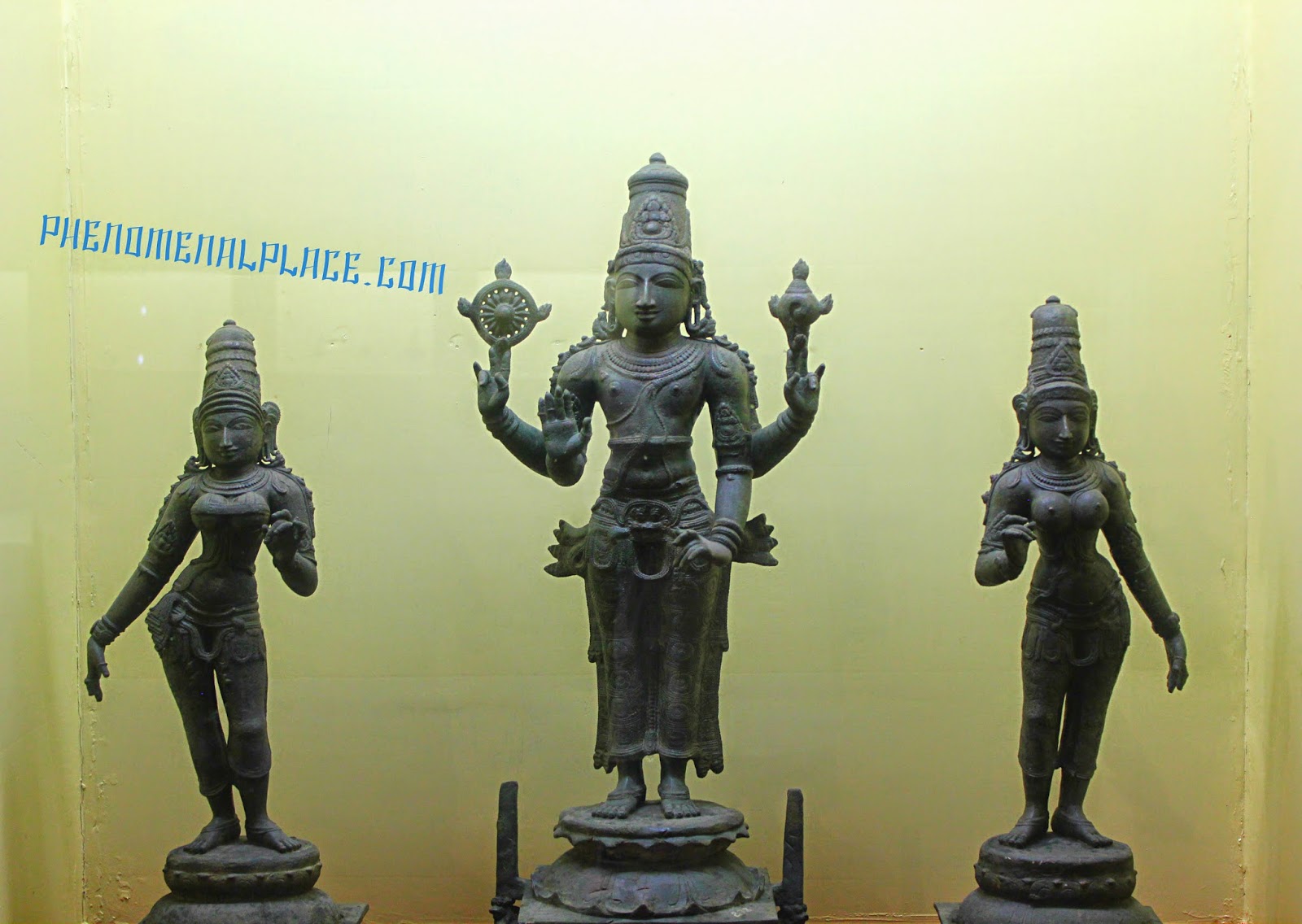 |
| A standing Vishnu with his 2 consorts, Sridevi and Bhudevi |
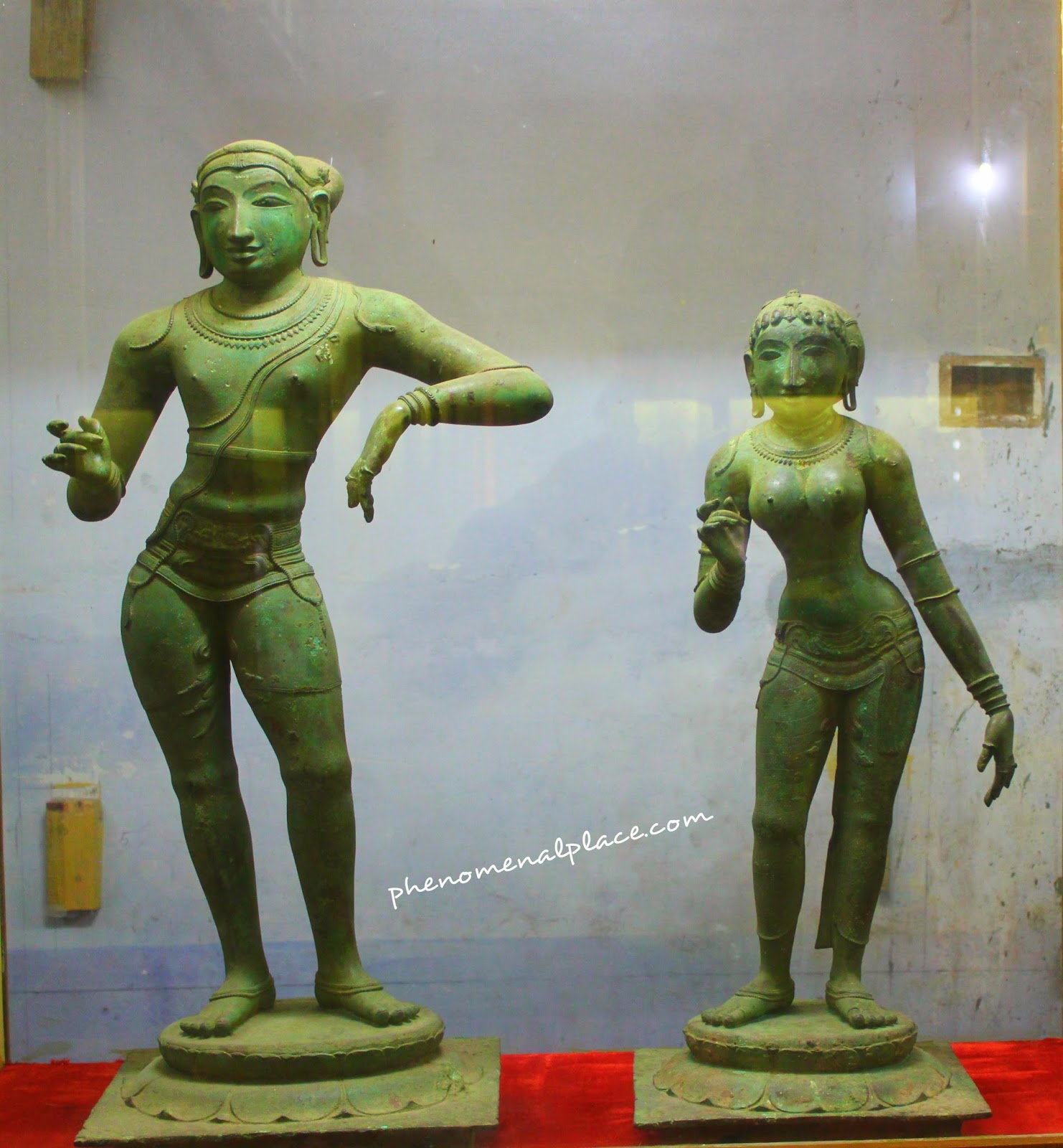 |
| Unknown deities, 11th century bronze sculptures |
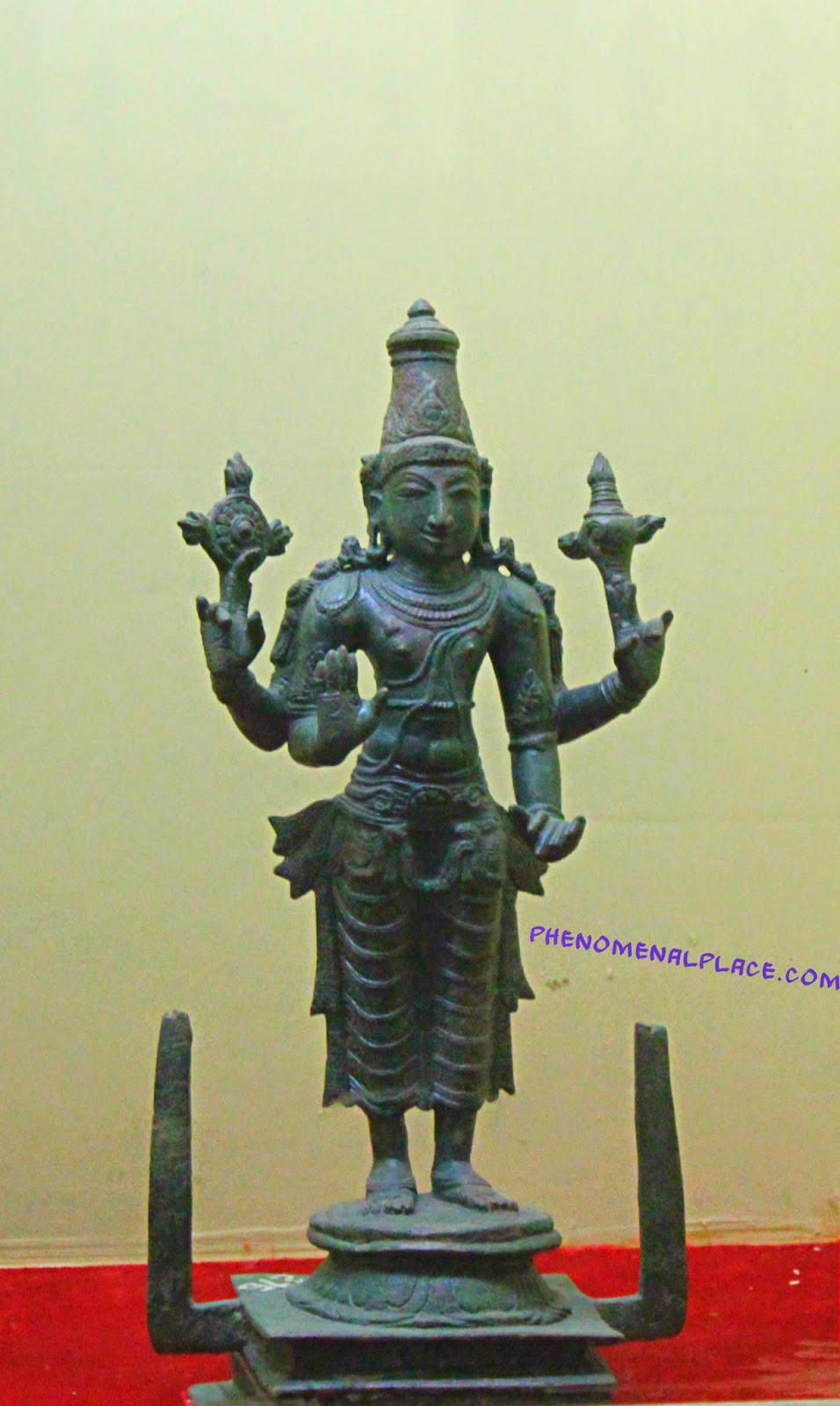 |
| Vishnu, 12th century. His wheel was used a returnable weapon (like boomerang) and his conch was used to initiate war |
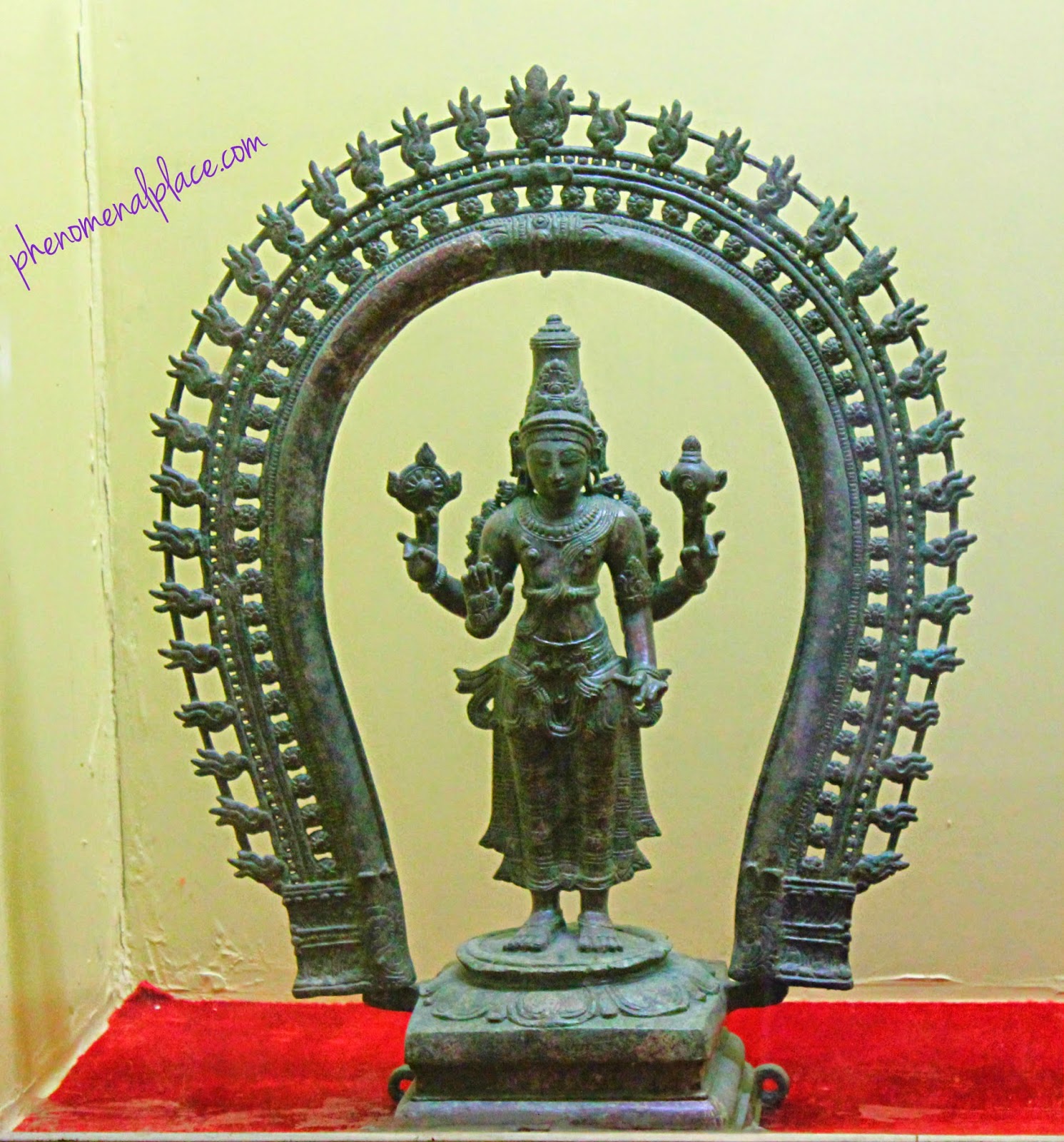 |
| Bronze Vishnu, 16th Century |
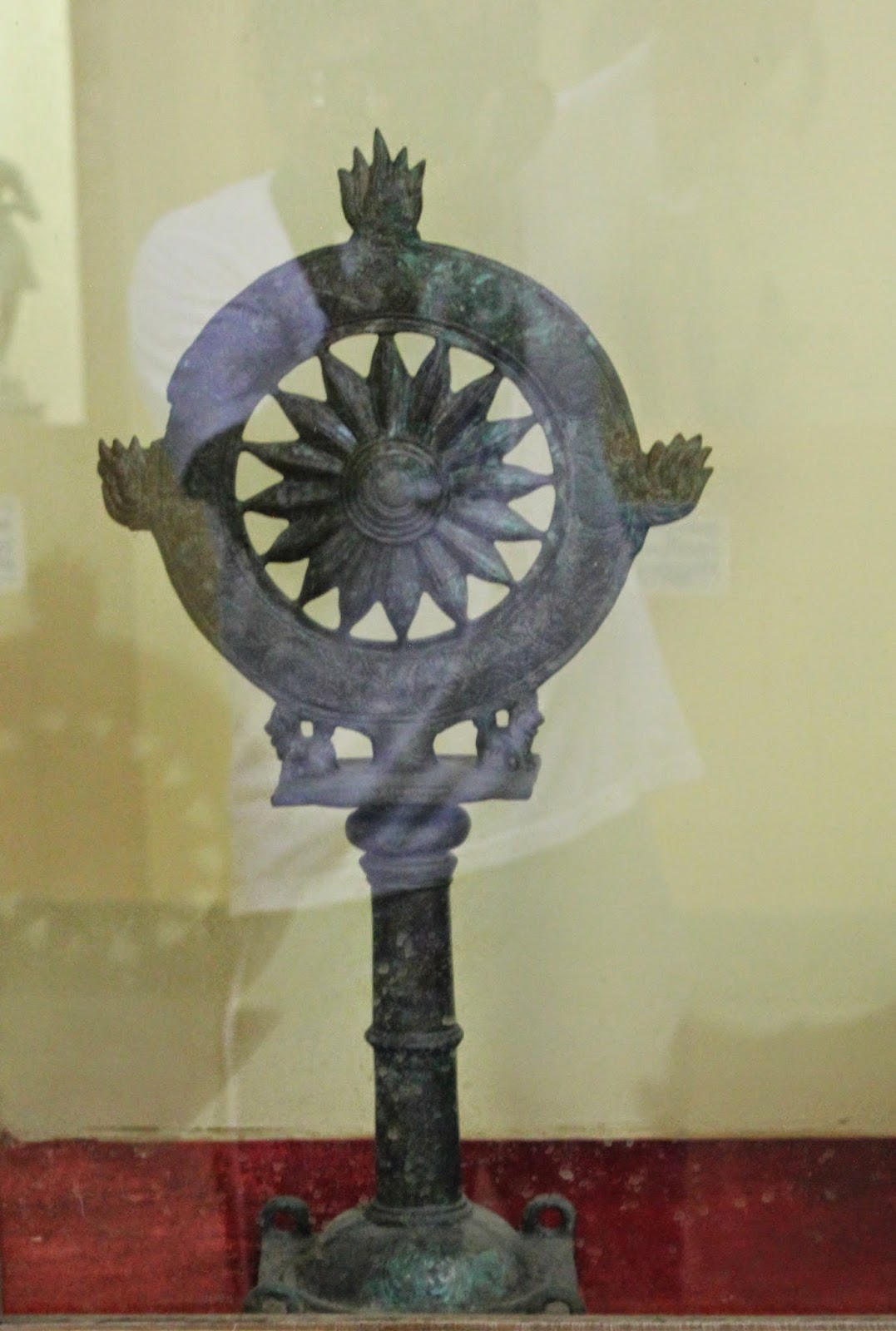 |
| Vishnu Chakra (wheel). This was a weapon that would spin, strike and return back to the user. |







5 comments:
Awesome collection! I saw this museum. Bronze lovers must see this museum.
Awesome collection! I saw this museum. Bronze lovers must see this museum.
All are wonderful. I would like to know sale of idol?
Description of some sculptures are wrong, e.g. Somaskanda literally means Sa-Uma-Skanda (Siva who appearing with his consort Uma and Son Skanda). If Siva appearing alone with the same attributes of Somaskanda (I.e. parasu, mriga,abhaya and varada) which can be consider as Chandrasekhara
Construction mystery involved in the great monumental structure, “Thanjavur Brihadeeshwarar temple” located at the southern part of India.
https://www.youtube.com/watch?v=gJKM71NZ7W8
Post a Comment