Nazca Lines of Peru - A sign of Alien Occupation?

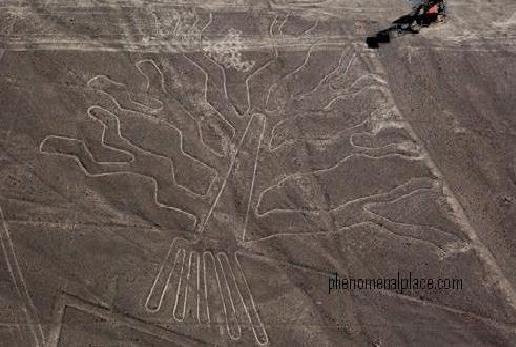
No matter how many places you go, Nazca lines (or Nasca) the weirdest and the most perplexing sight in the world. These figures were drawn by Nazca tribes around the time of the birth of Jesus Christ, and sometimes ranging over six hundred feet wide.

Bamiyan Buddhas of Afghanistan

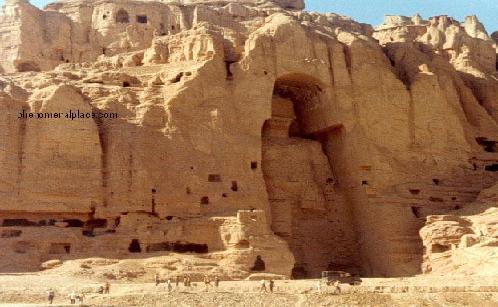
When the Buddhas of Bamiyan were destroyed, the Taliban Muslims were shocked to find what was beneath the statues. Behind the statues were around 50 caves which was used (once upon a time) as a dwelling place for buddhist pilgrims.

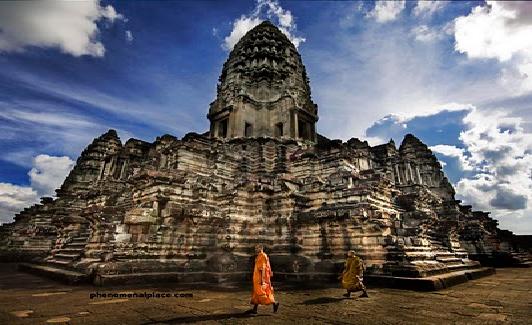
Angkor Wat of Cambodia

with more than 200 acres in land, the temple is carefully safeguarded by a moat. The sheer size of Angkor Wat will make you speechless. It was built in the honor of Vishnu, a hindu god. The design is based on Mount Meru, which is the mythical abode of Devas (Hindu Deities).

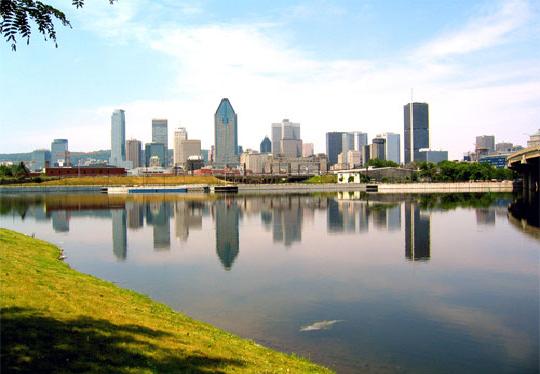
Montreal, Canada - A great place for vacation

Don't want to go to Europe to see french culture? Just go to Montreal! Amazing places, french culture, basilicas, museums and much more!!

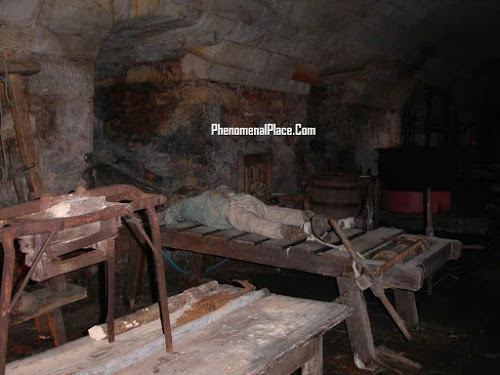
Chillingham Castle - A Scary Place

A torture chamber intact with 8 century old torture devices, A ghost sobbing behind the wall and much more..

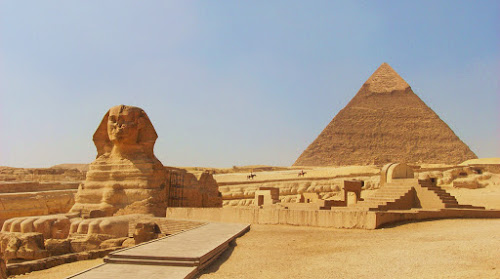
The Great Pyramid Of Giza

A Pyramid made of more than 2 million stones each weighing a ton, 4600 years ago. Unsolved mysteries of the Giza Pyramid, the interior virtual tour and fun facts! Click Now!

Fiji Islands - Pristine Beauty

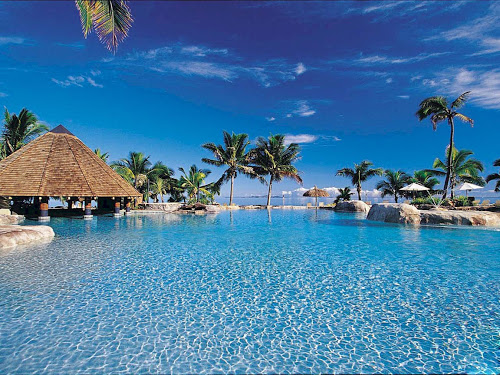
A country of over 330 islands, over two thirds of them are uninhabited. The scenic beauty is unparalleled, and it is the best place to go whether you want to relax, or have fun round the clock!

Marina Bay and Downtown - Singapore

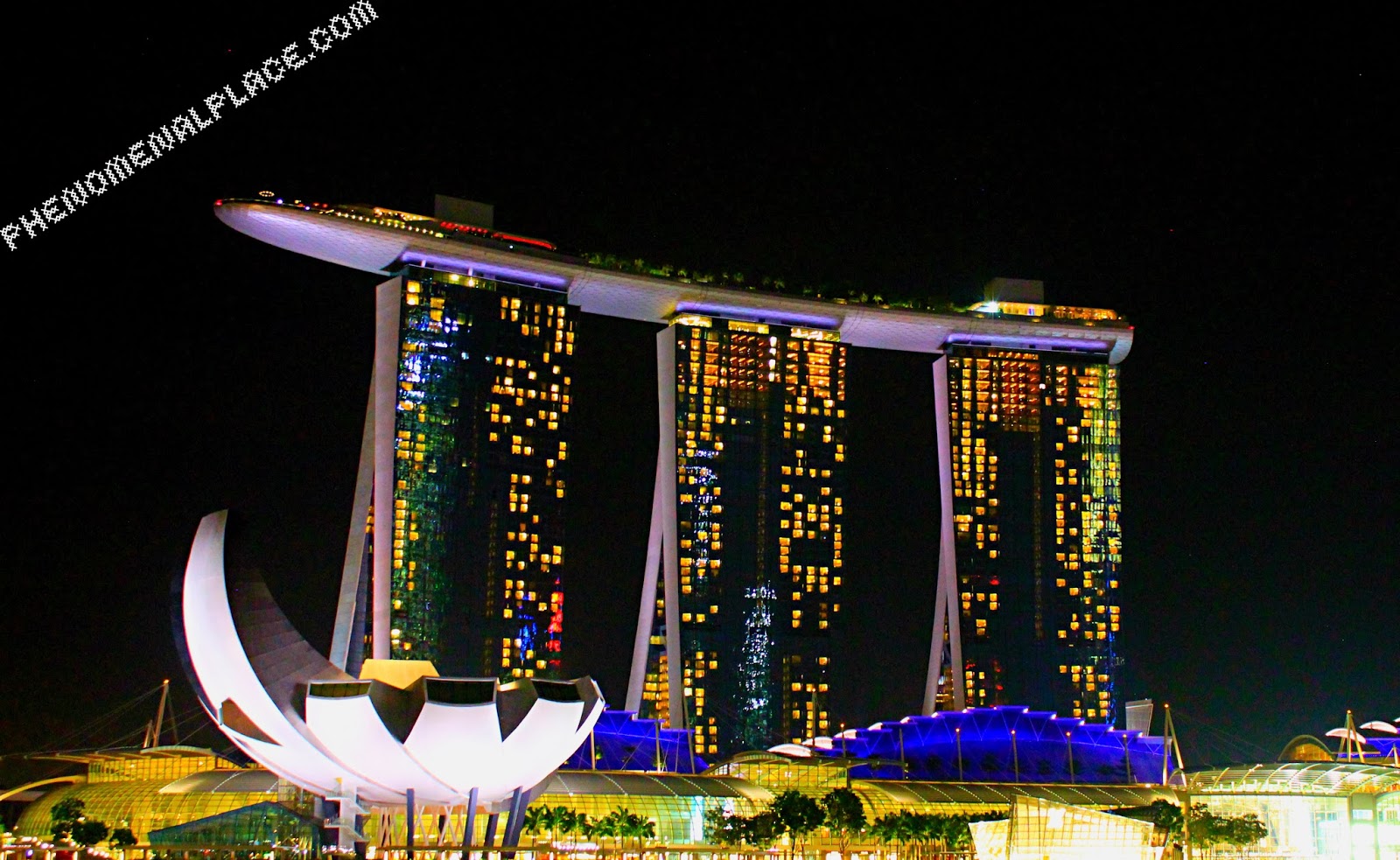
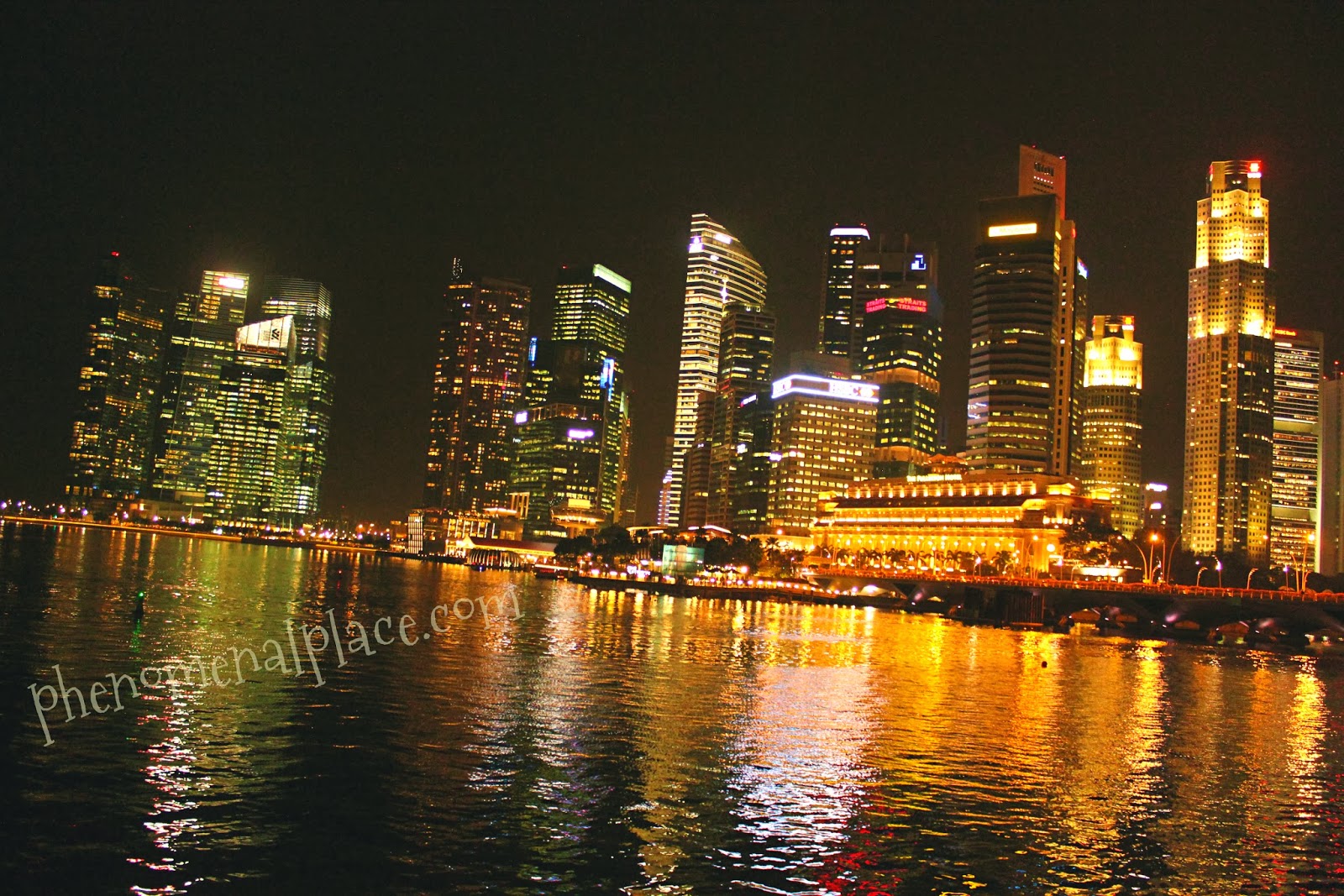
The Marina Bay at Singapore is an awesome sight, especially at night. Filled with skyscrapers and historic monuments, there are plenty of attractions to see. In olden days, the Marina bay was devoid of commercial buildings and traffic and was a perfect place to enjoy the sea breeze and exchange gossips. Story tellers and book enthusiasts often met here and talked about their stories or their recent studies. Today, the Marina Bay is known around the world for its extraordinary skyline view.
Night view of the skyline from Marina Bay
The Singapore downtown, often known as 'downtown core' by locals is the area around Marina Bay. With bronze sculptures, historical monuments, parks and interesting activities, it is quite a fun place. Walking on the bridges while enjoying the beauty of the land and water is a popular activity among Singaporeans.  If you don't mind, let us explore some of the key features of Marina Bay and the downtown.

Buildings: 
Singapore has more than 4300 high-rises, which includes plenty of skyscrapers in the downtown. So, what is the tallest building in Singapore? There are 3 skyscrapers with the exact same height! United Overseas Bank Plaza One, Overseas Union Bank Centre and Republic Plaza all share the title of being the "tallest building" in Singapore. These tall buildings and skyscrapers light up during nights, the river reflects the light which makes it an amazing sight to see.
Marina Bay Sands - connected by a terrace at the top; Lotus shaped museum to the left
Marina Bay Sands ResortThis amazing structure has a unique design based on a deck of cards and is the highlight of Singapore's skyline. There are three separate 55-story towers , which are connected only at the top floor. If you look closely from anywhere in the Marina bay, you can spot some trees on the top floor - these are real palm trees. The top floor is called the skypark, which has an amazing swimming pool, restaurants, clubs and an observation deck. The Marina Bay Sands Hotel includes the largest ballroom in Asia, a casino, shops and is also home to the lotus shaped ArtScience museum.

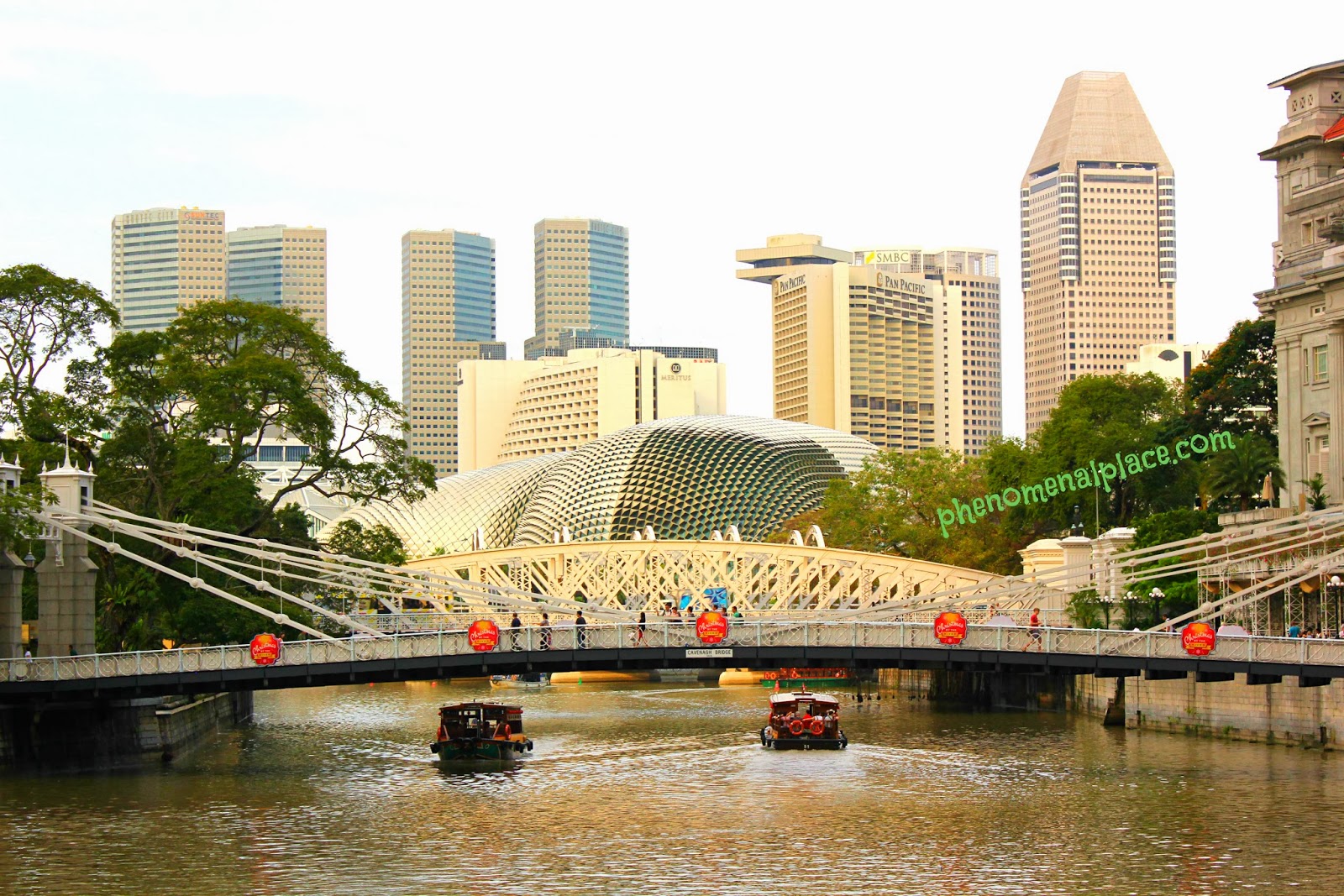
Esplanade - Theatres on the Bay: More commonly referred to as the "Durians" since the aluminium domes resemble the spiky durian fruit, this building is a place for musical plays and cultural entertainment. In olden days, this was a place where Wayang, the Chinese opera would be performed. A century ago, the entrance fee cost 50 cents to watch the Chinese opera at the same location. One of world's renowned art centers, the Esplanade theaters can seat thousands of people and has a concert hall, a theater, shops and restaurants.
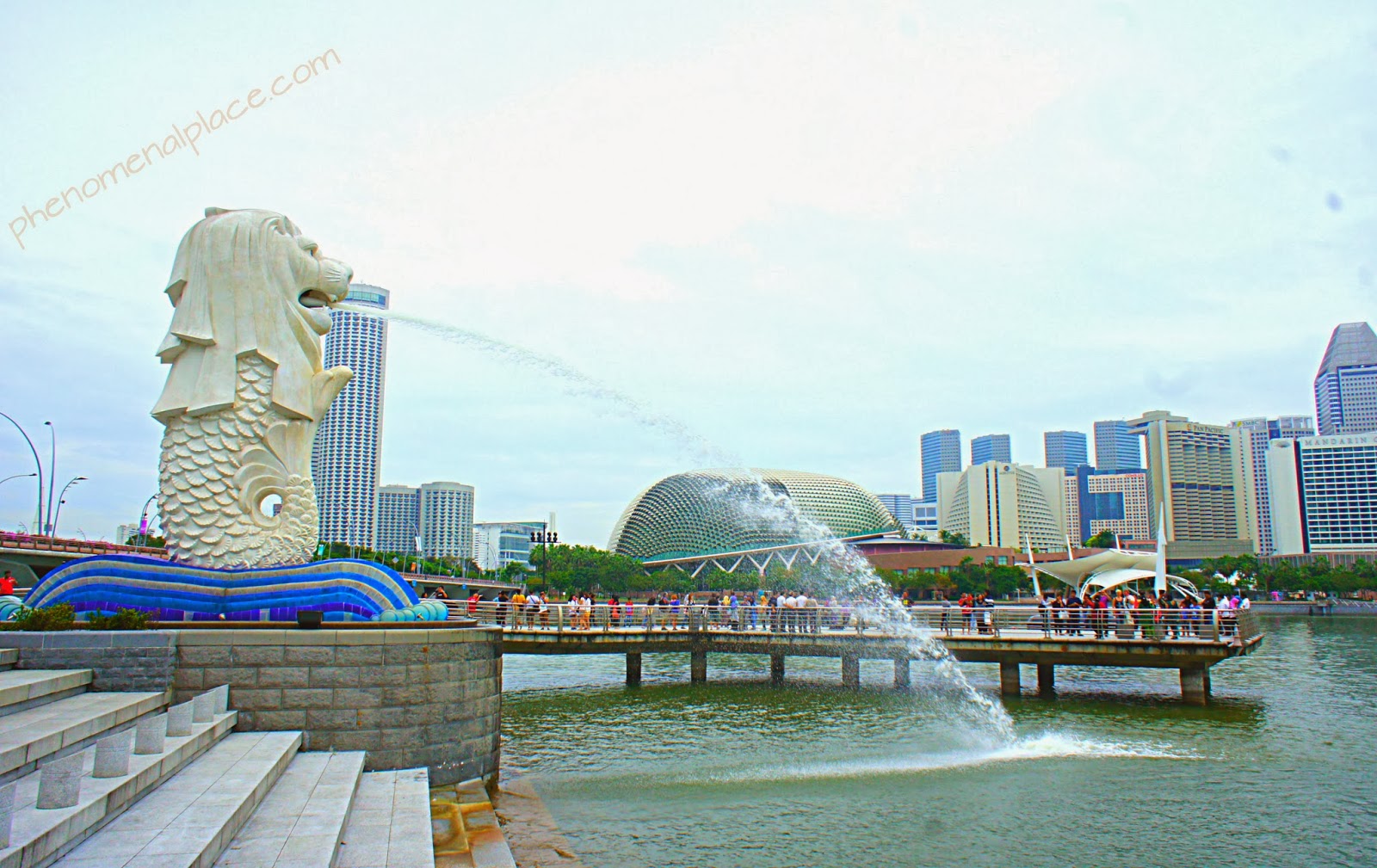
Merlion, the national symbol of Singapore is 28 feet tall
Merlion: The merlion, which has the head of a lion and the body of a fish, is located at the Merlion  Park. It is used as the official mascot of Singapore. Most people assumed that this mythical creature was invented in Singapore. However, merlions have been depicted before in Ajanta caves in India and have also been on coat of arms of British cities. This merlion stands 28 feet tall and spits water from its mouth. Behind this huge statue is a cub merlion 6.5 feet tall, and is made up of tea cups, spoons and other ceramic ware. In 2009, the giant merlion was attacked by a worthy opponent, none other than lightning. The merlion endured the attack, but lost a few feet of its head and officials quickly repaired the statue.
A view from Cavenagh bridge - skyscrapers, durians & bumboats under a bridge
Bridges:
The downtown has no shortage of bridges. Why? The north side of the city was dominated by Chinese traders and the south side was dominated by Tamil merchants. Without these bridges, they had to use boats for transporting goods and people alike. There are just too many bridges to tell you about, so I will just mention a few.

Cavenagh Bridge: This is the country's only suspension bridge and its parts were manufactured in Scotland and assembled in Singapore. This bridge was built in 1869, and was named after the Colonel Cavenagh, the last the last Governor of the Straits Settlements (1859 - 1867) under the rule of British India. No motor vehicles are allowed although pedestrians and bicycles are permitted. In the past, bullock carts and horse carriages busily crossed the river using this bridge. Unfortunately, the bridge is built too low and boats can't travel under it during high tide!

Elgin Bridge: This bridge was built in 1929 and named to honor the then governor General of India, Lord Elgin. It replaced an old wooden bridge that existed at the same location, which was the oldest bridge in Singapore. The two roads connecting the bridge on either side were named North Bridge Road and South Bridge Road, according to their sides.
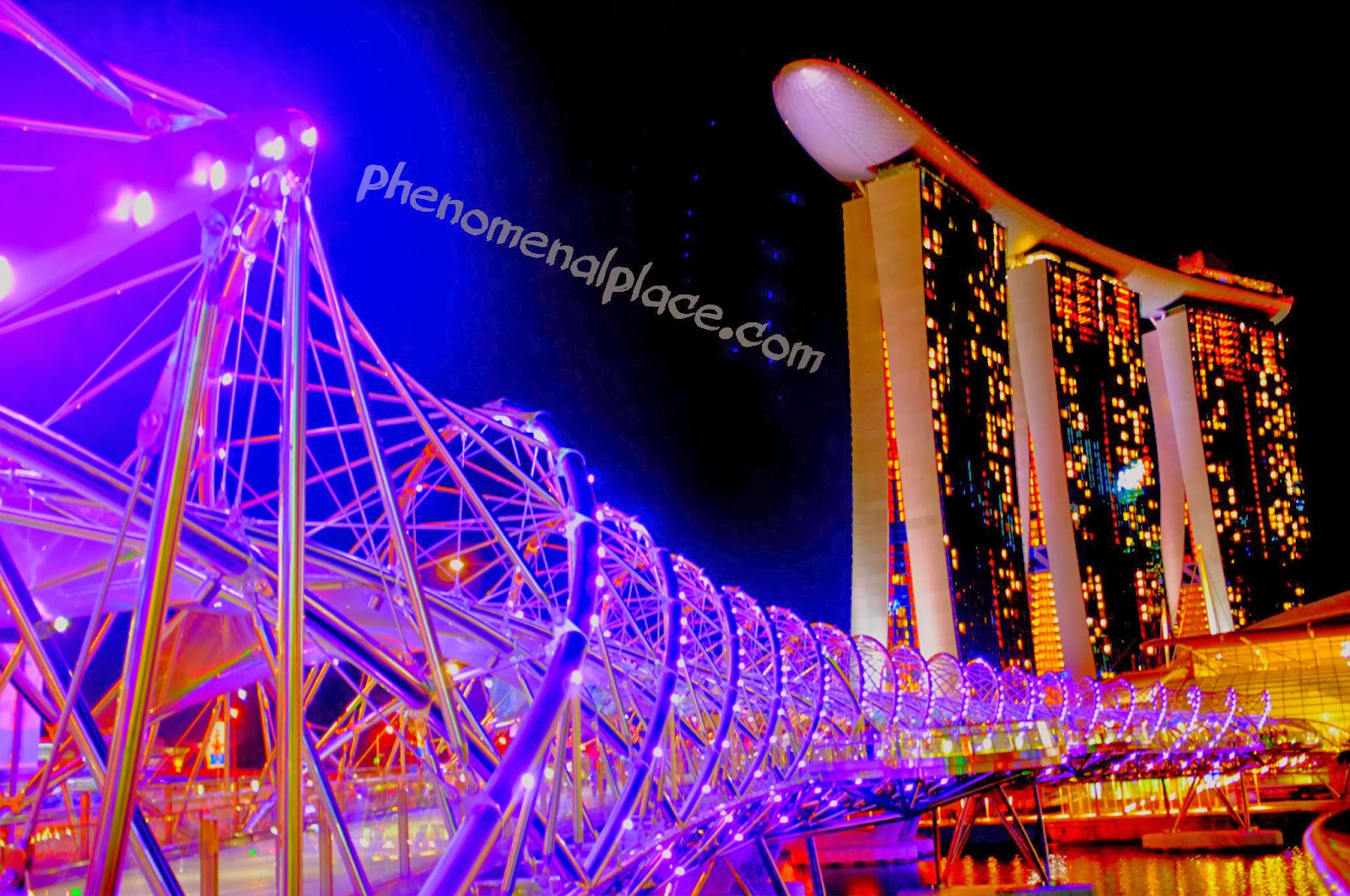
The helix bridge, designed based on abnormal DNA
Helix Bridge: A fancy, colorful bridge connecting the Marina Bay and the Marina Centre was opened in 2010. With a unique design of left-handed DNA, contrary to the normal DNA on earth, it has a stunning view.  There are four pairs of letters C, G, A and T which light up the bridge at night to cytosine, guanine, adenine and thymine, the four bases of DNA.

Other bridges worth seeing are Anderson Bridge, Alkaff Bridge, Benjamin Sheares Bridge, Clemenceau Bridge, Coleman Bridge, Esplanade Bridge, Ord Bridge, Pulau Saigon Bridge and Read Bridge. In some angles, Singapore downtown does resemble the city of bridges.

Quays:
A dock for loading and unloading ships is called a quay. Singapore river has three quays, which are packed with history and their individual ambiance. These quays have a great view when you travel by boat on the river; however, you can enjoy them while walking on these docks or eating at fancy restaurants located on the quays.

Boat Quay: Raffles made Singapore a free port, which created a frenzy among immigrants, who rushed into the country. Within a few years, this quay became very busy. In fact, it was the busiest port in the Singapore in the 1860s. Hard working immigrants loaded and unloaded goods and trade flourished. The Boat Quay's popularity started dimming in 1960s, as the boats became more mechanized. In the 1980s, traders moved out and Boat Quay became an abandoned place. In the 1990s, Boat Quay became a pedestrian mall, and is now known for its restaurants, clubs and shops. Today, thousands of tourists spend their evenings here enjoying cocktails and eating delicious food while enjoying a nice view of the river.
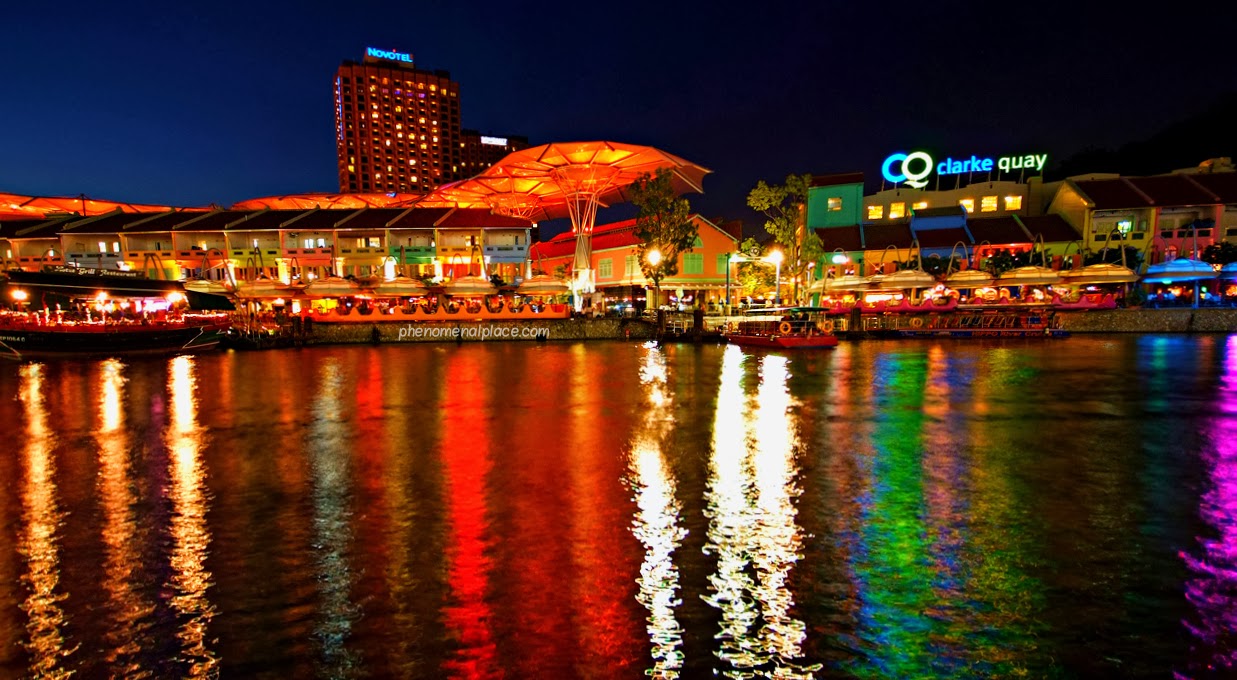
Colorful Clarke Quay at night, the historical quay is now a pedestrian mall 
Clarke Quay: As the Boat Quay became too busy, many started mooring in another location, which marked the birth of Clarke Quay.  Until 1985, Clark Quay was bustling with bumboats and barge lighters. Today, the waterfront warehouses have become nightclubs, restaurants and souvenir shops and retail shophouses. Interestingly, some of the old bumboats have become 'floating restaurants'. Reverse bungee, a popular heart-stopping ride is held in Clarke Quay in the name of "G-Max Reverse Bungy"

Robertson Quay: A not so busy quay when compared to its rivals, Robertson Quay is mostly visited by old-timers and people who like to relax in quiet. There are plenty of restaurants and bars here too. It was historically used for warehouses and trading offices. Some of the old warehouses with huge windows still stand here today, reminding us of the past.

Sculptures:
There are plenty of bronze sculptures that adorn the streets of downtown Singapore. These are packed with the history of Singapore and depict scenes from olden times. Most of these carvings are life sized, and are accurately carved to create a reality-like scenario.
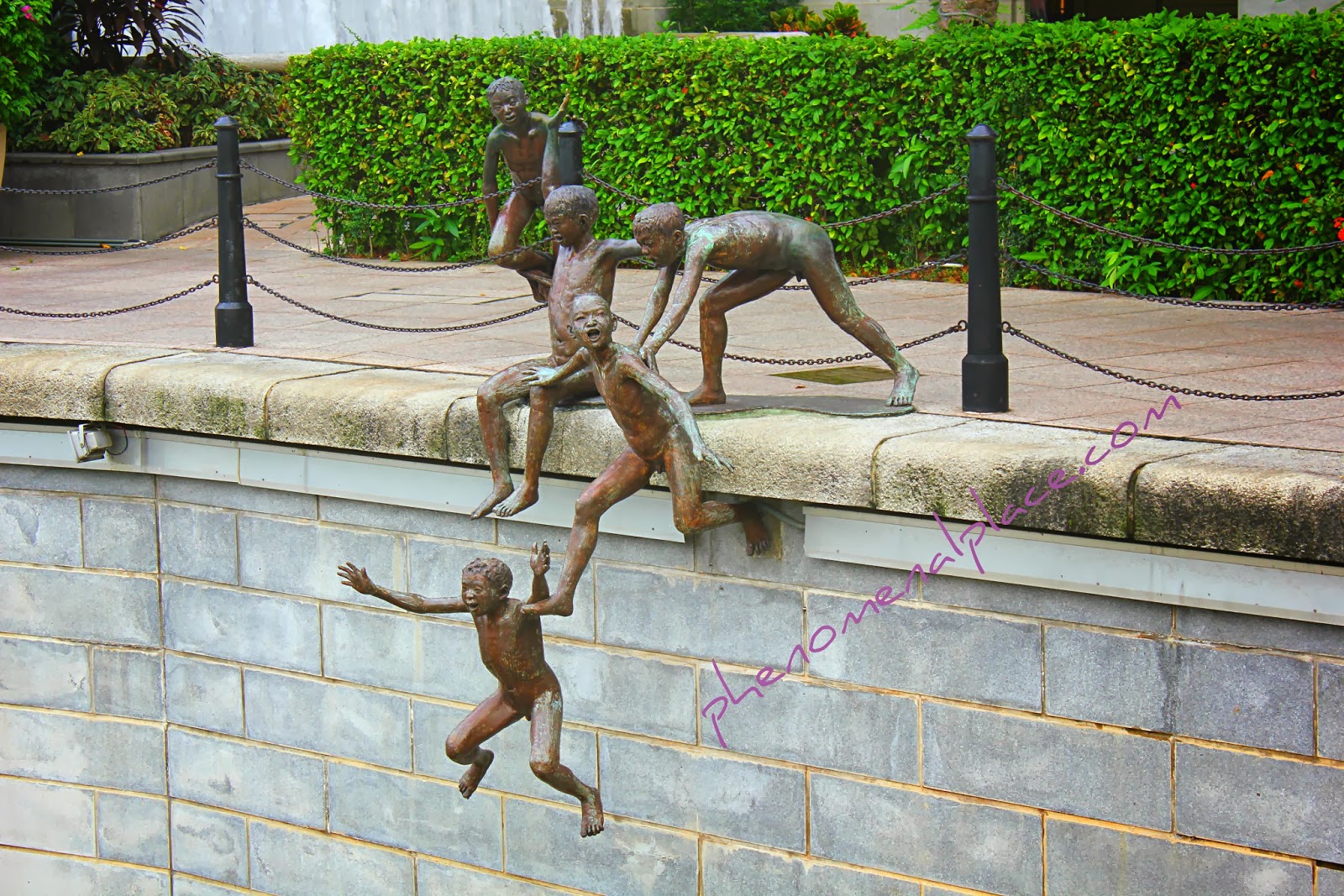
Officially called "First Generation", these sculptures often startle tourists who think these kids are real
Bronze Kids Jumping: These are life like kids made of bronze jumping into the Singapore river. 100 years ago, you would see this activity everyday, in real life. While a kid is in mid-air, there is another one being pushed into the river! Made in the year 2000, these statues are located near Cavenagh Bridge. These ingenious, gravity-defying sculptures were made by Chong Fah Cheong and is a popular meeting point for locals. Officially called the "First Generation", these sculptures mimic the past and remind you that such a sight is impossible in modern day Singapore.
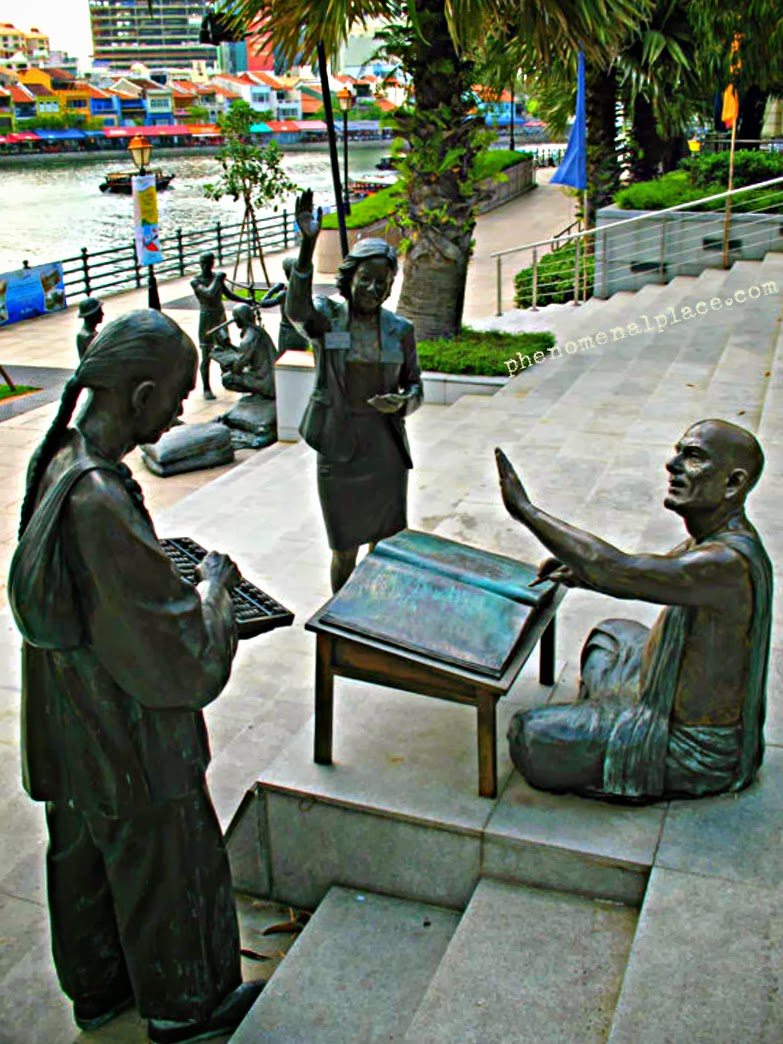
From Chettiars To Financiers - An interesting sculpture with a time travel concept
From Chettiars To Financiers: Another interesting and unique sculpture which shows the history of Singapore. The Chettiars from Tamil Nadu, were very popular and astute traders. They were masters at lending money and their bookkeeping techniques were excellent. In the sculpture above, a Chettiar is seated with a notebook and explains the compound interest rate to a Chinese trader to the left. The Chinese trader uses an abacus, an ancient invention, to calculate the complex numbers. On the right, a modern day financier with a palmtop raises her hand, probably to explain or ask a complex math question to the Chettiar. A rewarding sculpture for the Tamil Chettiars, since they arrived into Singapore in 1820s and played a key role in building the economy of Singapore.

Fun Activities In Downtown:

1. Don't miss the Asian Civilizations Museum, located right across the Cavenagh Bridge. It is one of the unique museums in the world, and has thousands of artifacts from all over Asia.

2. Take the river cruise to familiarize yourself with Marina Bay attractions. It is a (video) guided tour, which provided valuable information about all the areas around the Singapore river. It takes you around the quays, skyscrapers and shopping areas, while you enjoy the amazing view of Singapore downtown.
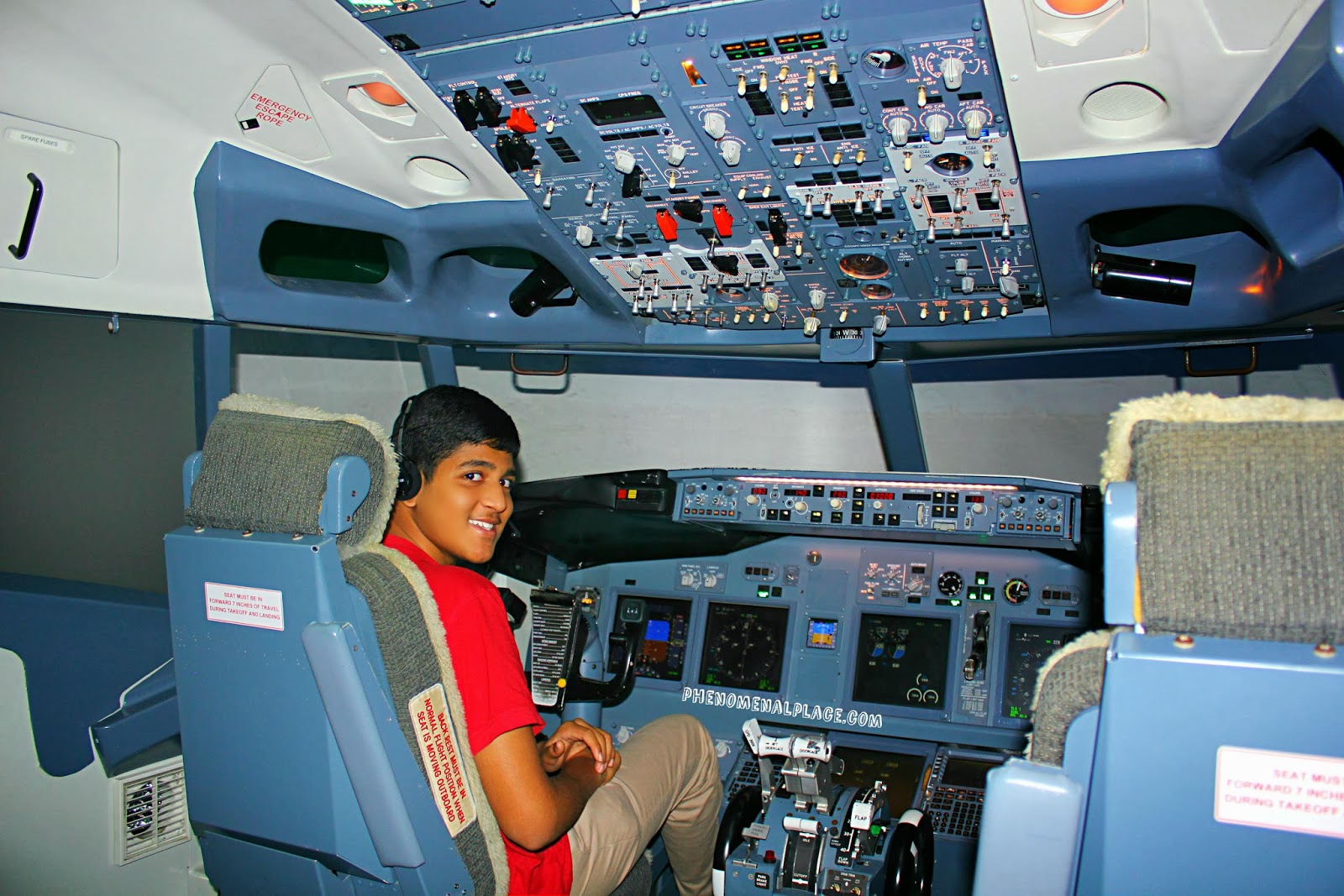
Flight Experience Flight Simulator - A very popular activity in Singapore
3. If you want to get a bird-eye view of Singapore, try the Singapore Flyer, which is a giant wheel that takes you 540 feet above ground. This is the world's tallest Ferris wheel, and gives you an astonishing view of the beautiful country. Another important activity, Flight Experience is also located in the same area.

4. 'Gardens By The Bay' is another popular attraction, located beside the Marina Bay. A magical sight while walking through exotic plants, it is one of the top attractions of Singapore.

Finally, don't underestimate the amount of time you can spend in Singapore downtown and Marina Bay. You could stay here all long and marvel at the historical structures mixed with modern day skyscrapers. There are plenty of activities to do and attractions to see making this one of the top 10 attractions of Singapore.
Attractions and Activities in Chinatown - Singapore

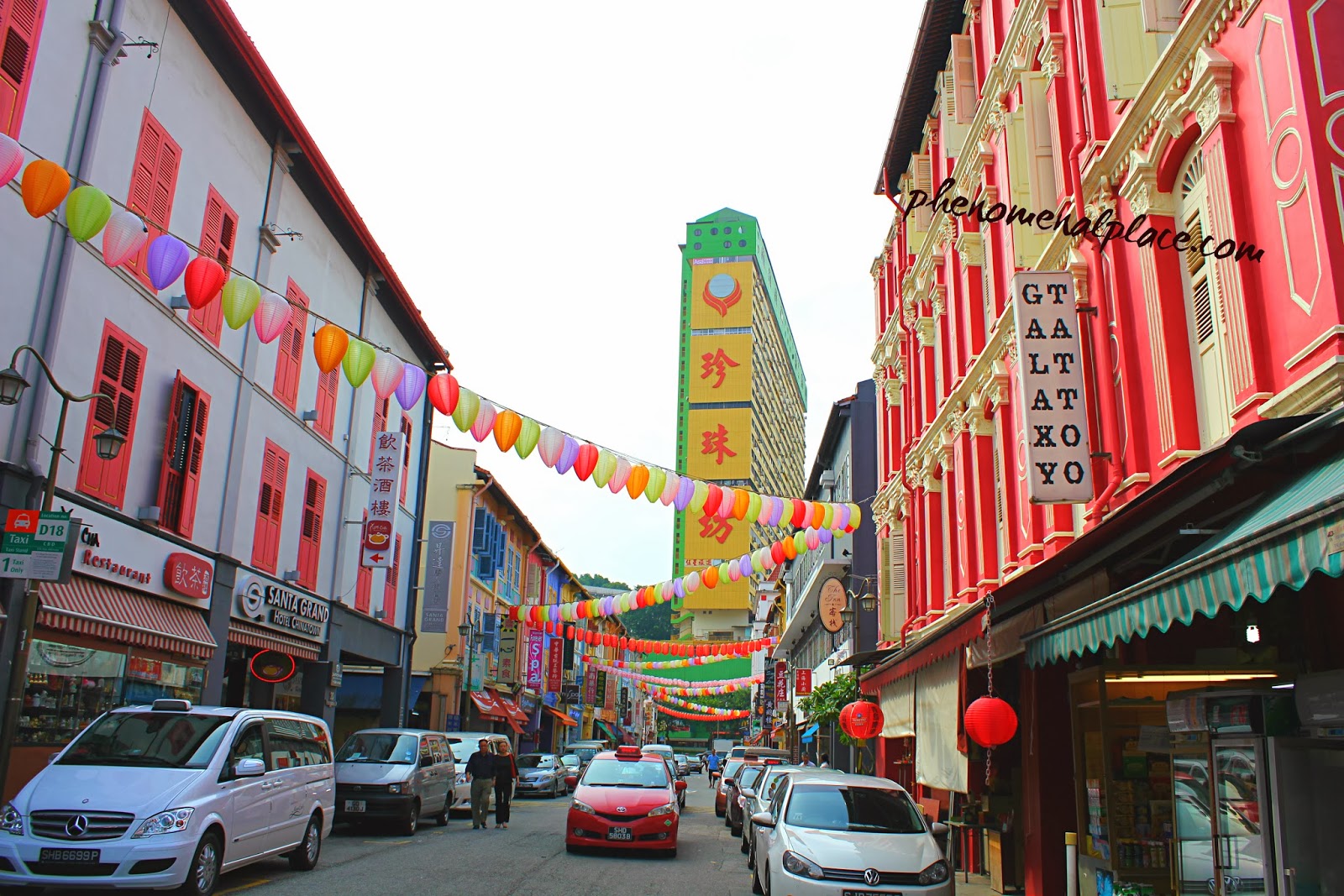
Chinatown in Singapore gives you a nice mixture of historical structures and current day restaurants and shops. It is safe and accessible, and is often accused of being more touristy than other Singapore attractions. Today's Chinatown has lost most of its original structure, and Chinese signs exist just for namesake. Strange Chinese medicines, questionable antiques, cheap souvenirs like t-shirts and key chains, will tempt you to open your wallet. Chinatown includes many holy shrines, museums and other cultural buildings, for history or religious buffs. So what do you do when you reach Chinatown? Don't worry, there are plenty of attractions to see and things to do here, as you can see below.
Street View of Chinatown, Singapore
Buddha Tooth Relic Temple: This is a new Buddhist temple built in 2002, and houses something special: Buddha's tooth. The tooth was originally in Myanmar, and was handed over to a devotee in Singapore, which sparked the construction of this temple. Built beautifully in Tang dynasty style, it has attracted a lot of Buddhist pilgrims and tourists. There is also a museum located inside. 
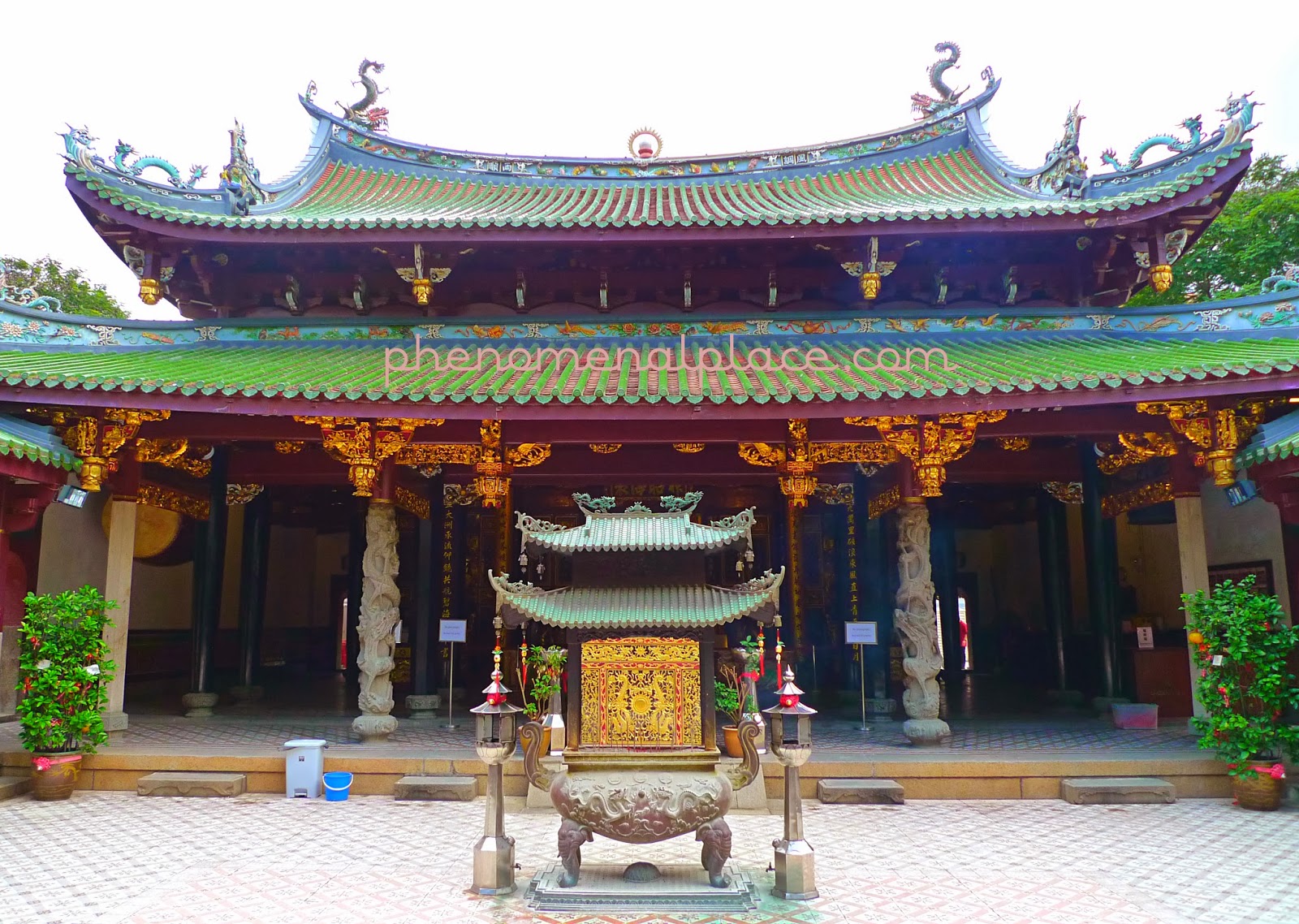
Thian Hock Keng Temple originally built for the Taoist goddess Mazu
Thian Hock Keng Temple:This is the oldest temple in Singapore, and was originally built by Hokkien people for the ancestor Goddess Mazu. She was installed on Telok Ayer street which was located on the seashore back then. Since Goddess Mazu protects people who travel by the sea, immigrants gave thanks to her as soon as they reached Singapore safely. Today, it is regarded as an all inclusive Chinese temple. Other statues like Buddha and Confucius have sidelined the great Sea Goddess Mazu. This is remarkably similar to how Tamil shrines like Veeramakaliamman temple and Mariamman temple have become all-inclusive Hindu temples in Singapore. Visiting this temple is highly recommended while you are in Chinatown.
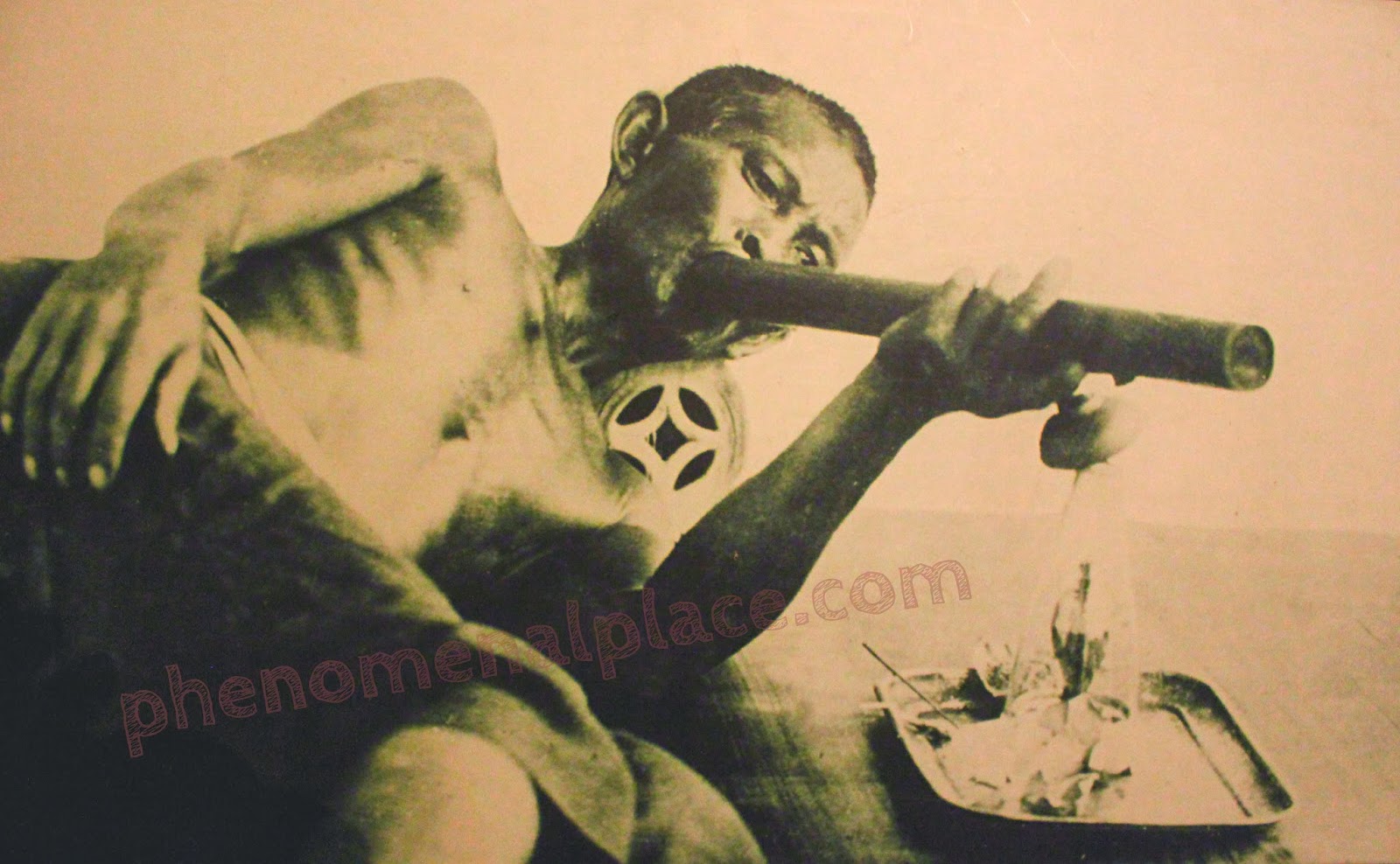
An old photograph from Chinese Heritage Center, showing opium addiction in Singapore
Chinatown Heritage Center: To understand the history of Singapore's Chinatown, visiting the Chinatown Heritage Center is a must. It houses thousands of old photographs, artifacts and recreations of the old Chinatown. It will educate you about the timeline and development of Singapore, from the arrival of Chinese immigrants up to the last decade. The most interesting part is how opium destroyed the dreams of many immigrants, but how Singapore managed to win the battle. The Chinatown Heritage Center by itself is a popular Singapore attraction, which can easily take a few hours to explore.
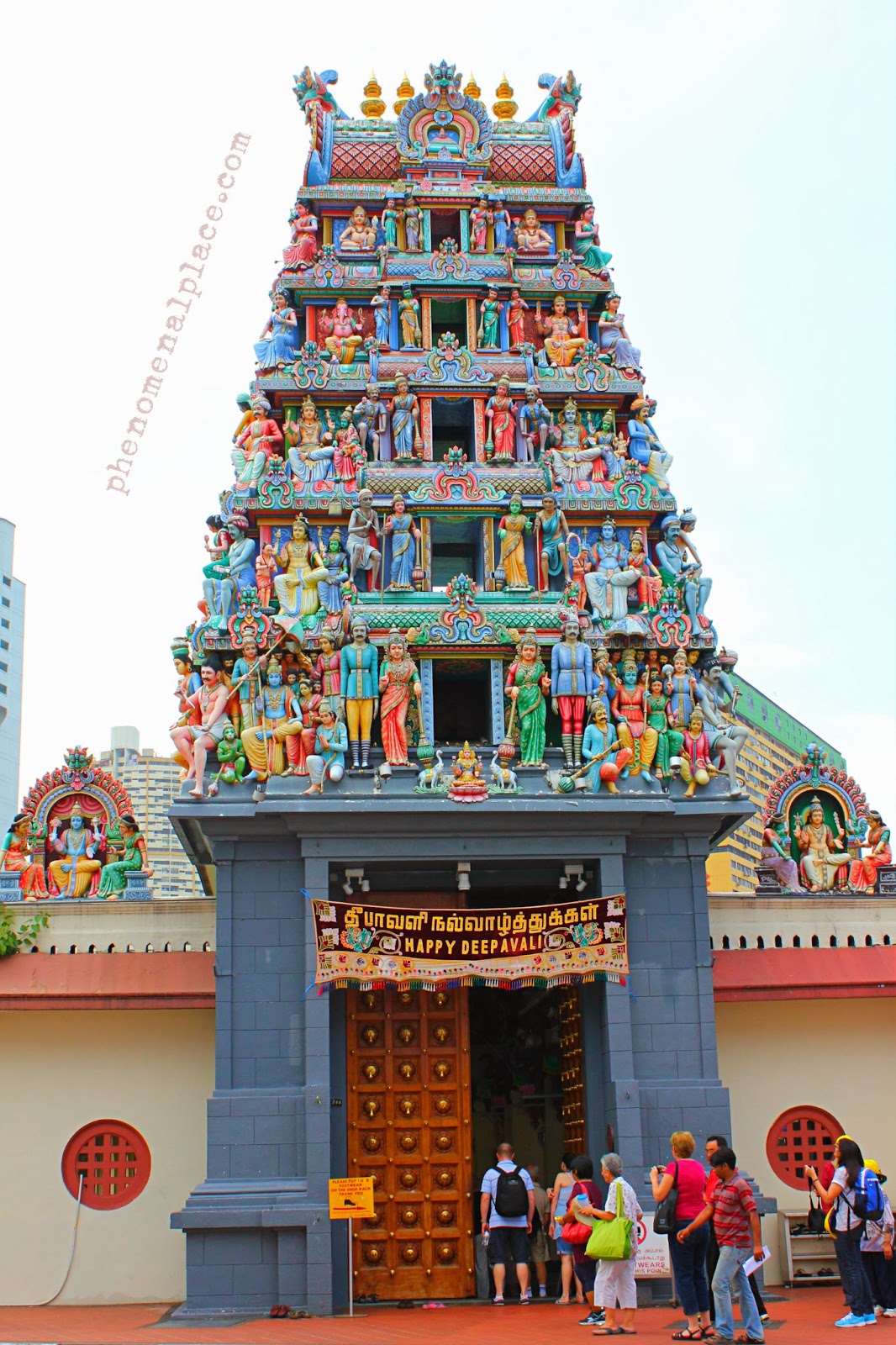
Sri Mariamman Temple, a very popular place for tourists
Sri Mariamman Temple: The Oldest 'Hindu' temple in Singapore is also found inside Chinatown. This is a surprising fact, since you would expect such a temple to be in Little India, the Indian enclave of Singapore. However, the Tamils from India and the Chinese had an amazing solidarity even back then, working together in Chinatown. The original Goddess "Sinna Amman" was installed in 1827, to protect people against Small Pox and Chicken Pox. Chicken Pox, called "Sinna Ammai" in Tamil is symbolically represented as the deity "Sinna Amman" in the temple. Today, the temple has become a Hindu temple with a multitude of Gods, both Hindu and Tamil. The temple tower now has 6 tiers, and is designed based on the Madurai Meenakshi Temple. Sri Mariamman Temple is a popular tourist attraction that will intrigue you with some fantastic Tamil Gods like Periyachi Amman and Muthala Raja.
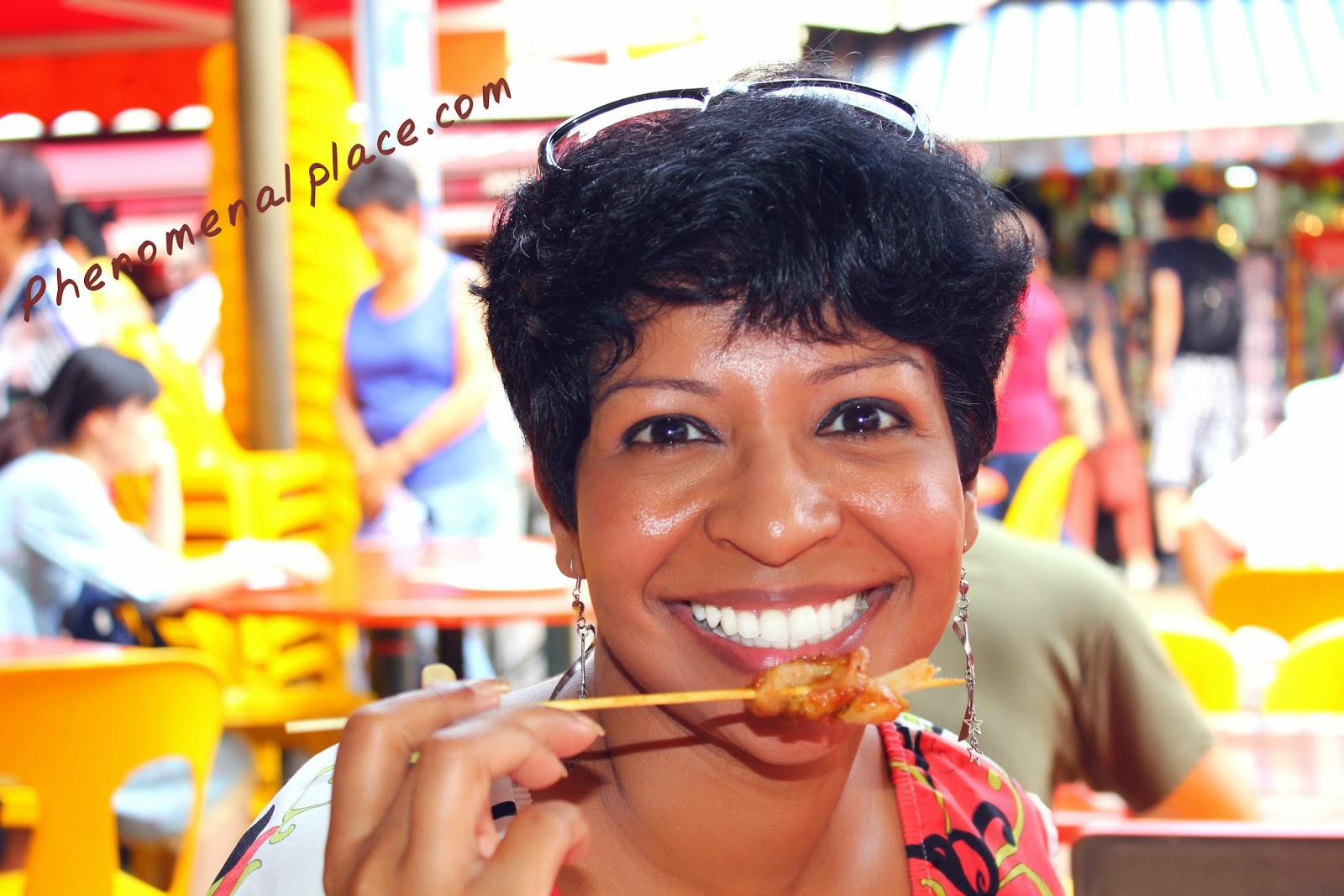
Chinatown food - always delights you!
Restaurants: Dining in Chinatown is a must, and there are some authentic Chinese restaurants to stimulate your taste buds. The Maxwell Food Center is a giant Chinese food court and is the most popular dining area in the locality. Tak Po restaurant on Smith street is well known for its traditional Guangdong cuisine.  Other good restaurants in Chinatown are Absinthe, Eight Treasures Vegetarian and Mei Heong Yuen Dessert.  
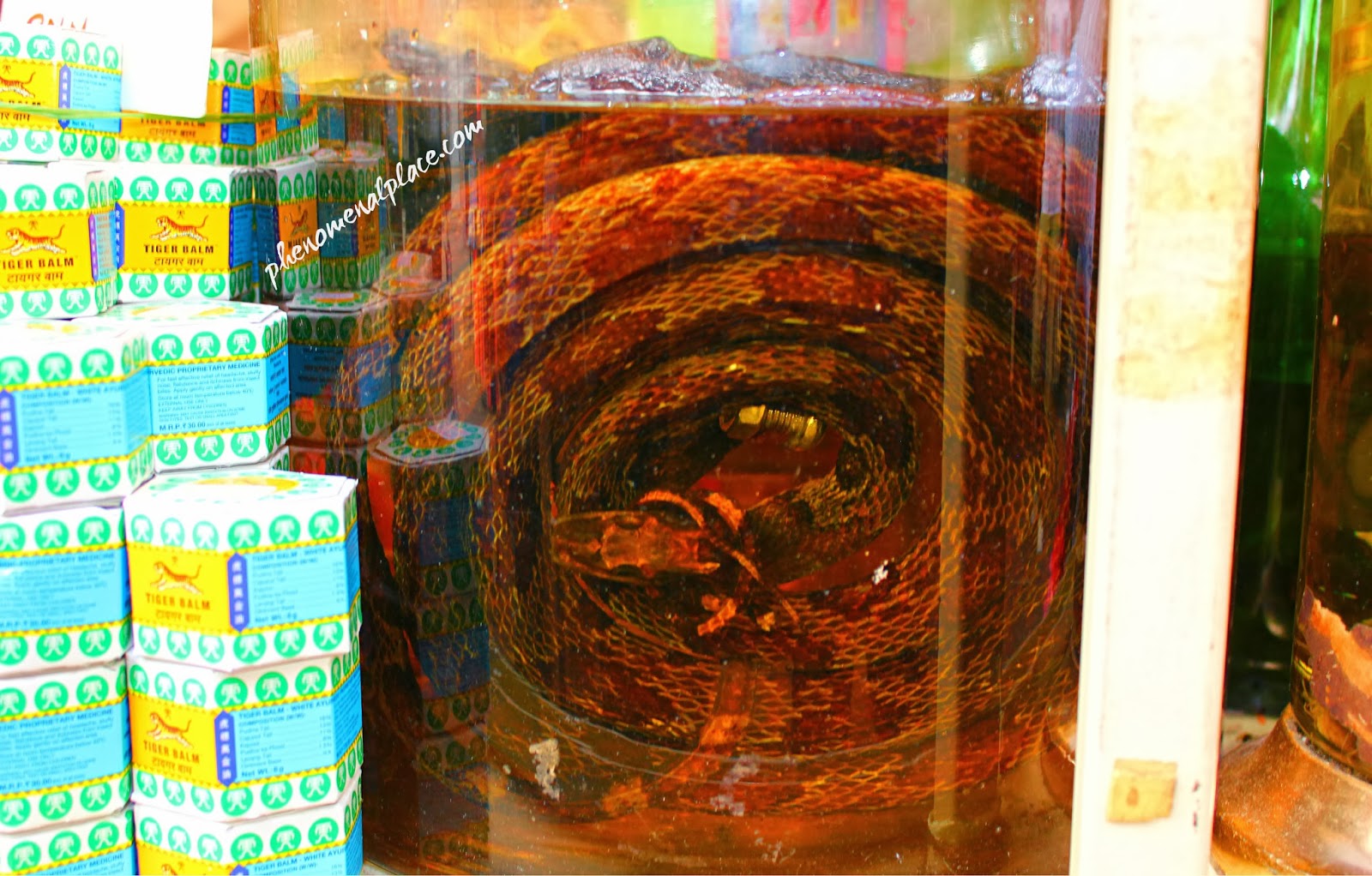
A snake in a jar, outside a Chinese medical shop in Chinatown
Shopping: It is almost impossible to get out of Chinatown without buying a few things. Flashy trinkets are sold on street shops at very cheap prices. Souvenirs come at a price of 3 for $10 on most stores. Clothes, toys, ear-rings, T-shirts, magnets, bags, wind chimes, key chains, ceramics and the list goes on. Beware of people who try to sell you "antiques", and always double check the authenticity of the item. There are also some dubious Chinese medicine shops which showcase snakes and roots in bottles. 
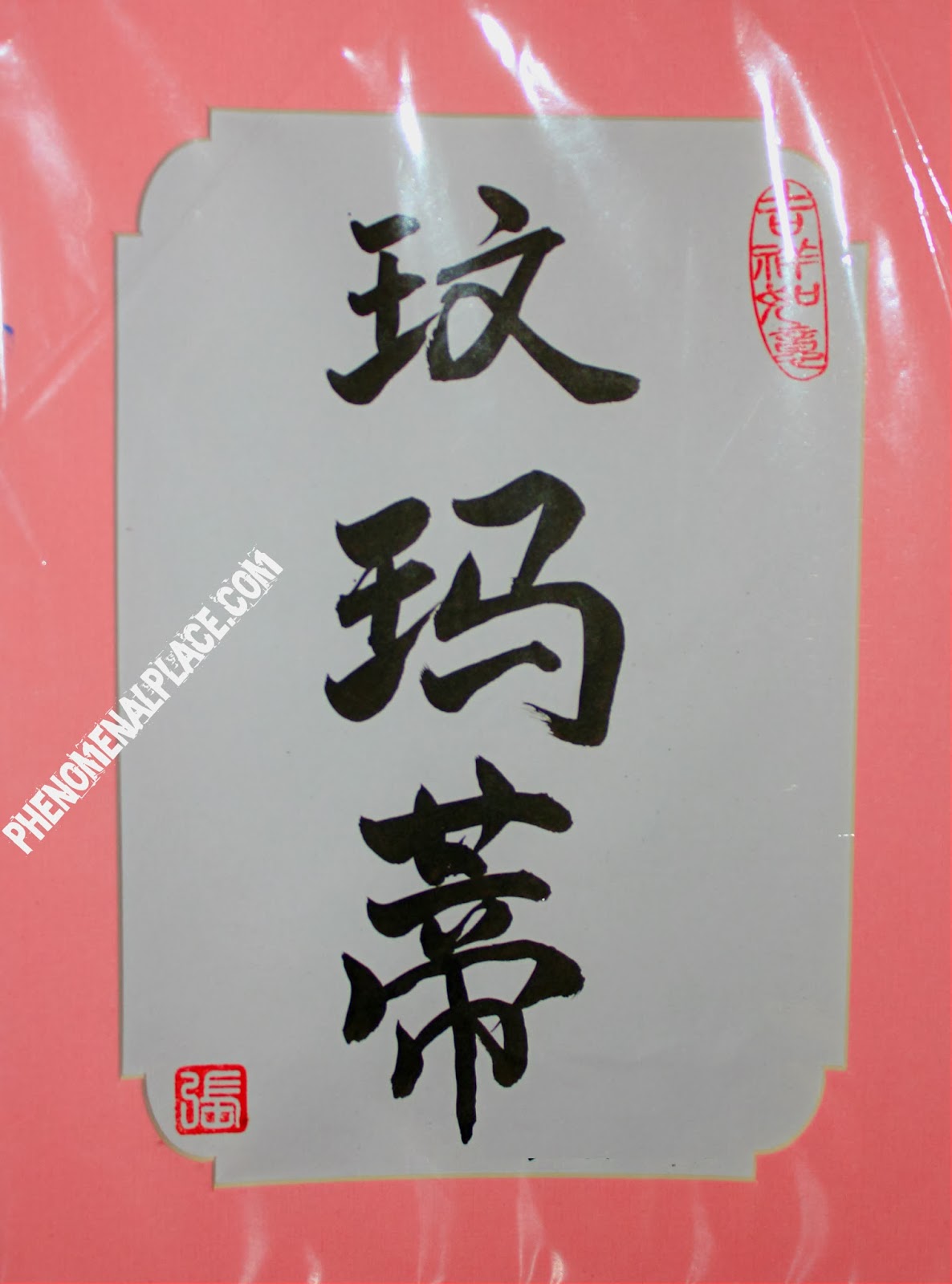
Whose name do you want in Chinese calligraphy? Yours or your loved one's?
Other Fun Activities:
1. Get your name written in Chinese calligraphy for $10. It's probably the best and a unique memento of Singapore. 

 2. Get a foot massage in Chinatown. The best massage is given at 'Bath Culture Foot Therapy' located on Temple Street.
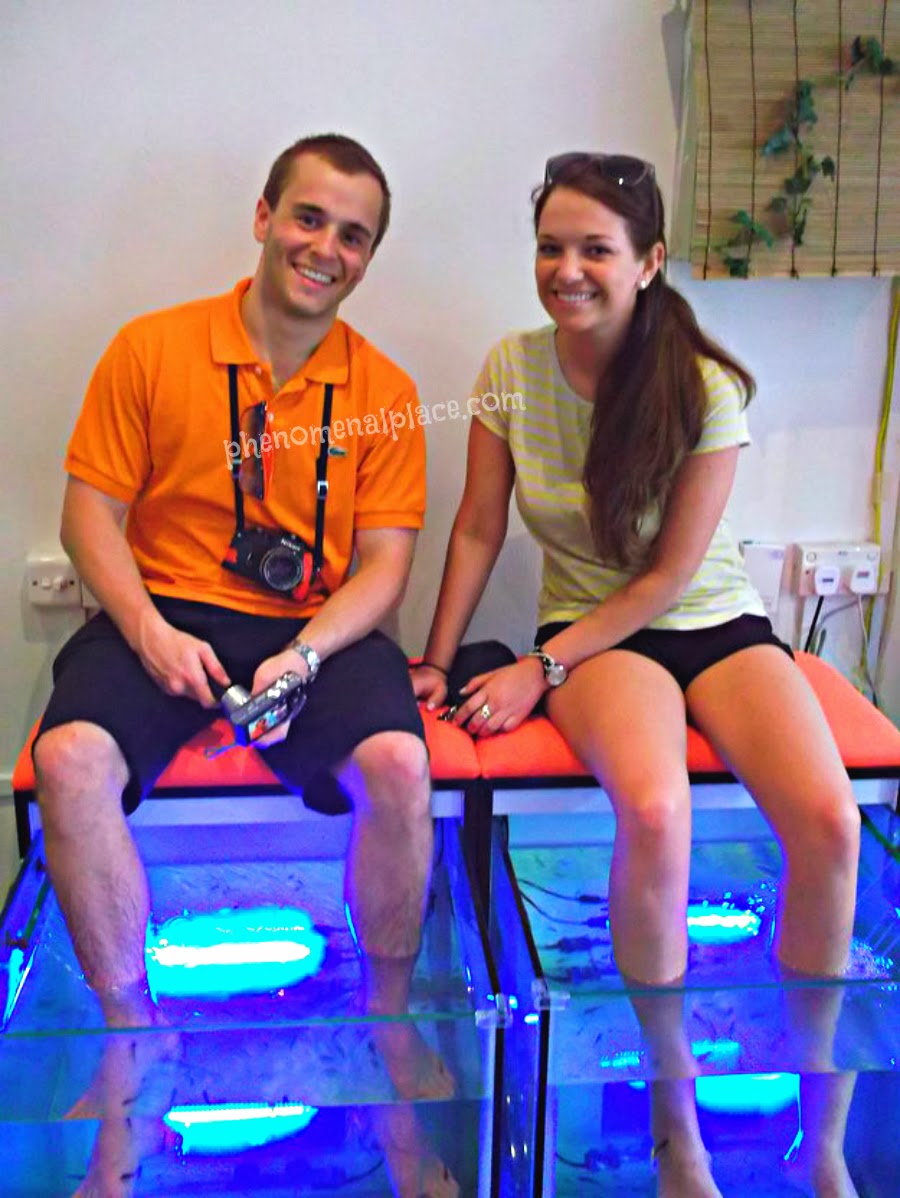
Fish Spa in Chinatown is one of the popular things to do in Singapore
3. If you don't like human masseurs, try the 'Alleviate Fish Spa' on Pagoda street. These fish have no teeth and do a great job of cleaning, tickling and glazing your feet. Highly recommended for couples, who get to sit together and enjoy the massage. I wish they do full body massage and serve drinks, like the fish spa in Cancun, Mexico.

4. Ride the Trishaw (tricycle) around Chinatown. Even better, you can take a guided tour of the area with 'Trishaw Uncle'. 

5. Visit the Nagore Dargah Shrine, a Muslim temple built for a Sufi Saint. The building's design is based on the original shrine in Nagore, Tamil Nadu.

Just like Arab Street and Little India, Chinatown offers a unique ethnic experience. If you've never been to China, or never visited Chinatown in any other country, don't miss it! It is a shopper's paradise even for Singaporeans and a great place for eating Chinese food. Enjoy your day in China, while you are at Singapore!

History of Singapore's Chinatown From Chinatown Heritage Centre

The Chinatown Heritage Centre in Singapore is a hidden gem. While roaming around in Chinatown, I accidentally came across the building. While stepping into the building, I had no idea I would spend the next 2 hours there! How is this not recognized as one of the top attractions in Singapore? The history of Chinese immigrants and the fantastic transformation of Chinatown is laid out here through photographs and artifacts. 

Visitor Information:
Address: 48 Pagoda Street, Singapore
Open Hours: 9 A.M - 8 P.M everyday
Entrance Fee: $8 for adults, $4 for children
Phone: +65 6325 2878

There was a great diversity of migrants who made their way to Singapore from the early 1800s. The Chinese formed the bulk of immigrants to Singapore. They came from different provinces and districts. Among them were actors, craftsmen, traders and scholars. Others were laborers, farmers, servants and youngsters who came with no particular skills except a willingness to work and a hope for a better life. Let us look at the history of Chinatown in chronological order:
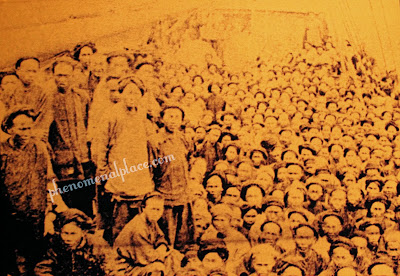
Chinese immigrants packed into the basement of a junk boat
Mad Rush To Singapore:
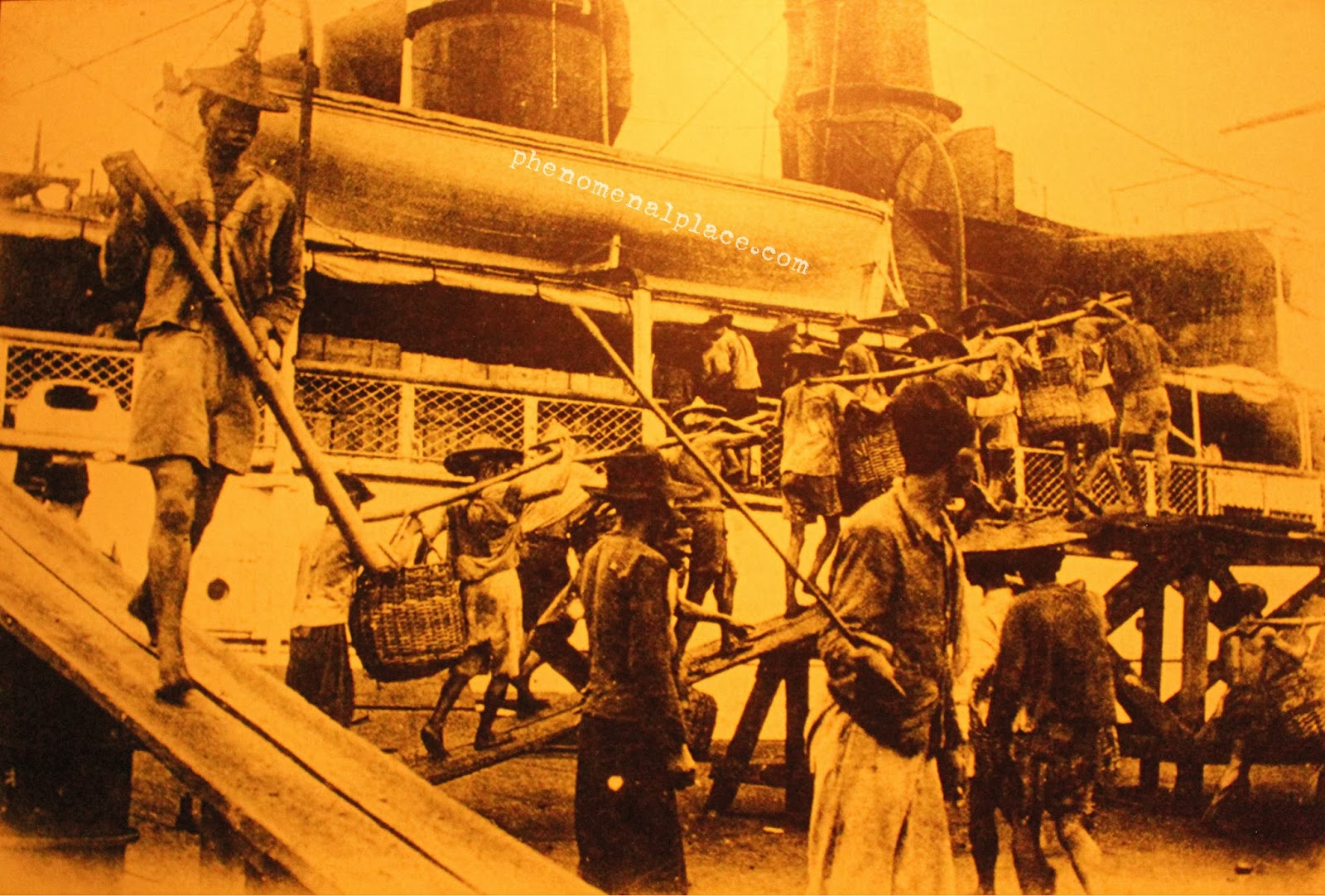
In China, people lived in terrible poverty. The heavens plagued them with floods and famines. Their rulers were corrupt, war took away their sons and foreigners invaded their coasts. Desperate, they turned to Nanyang - a place where there was work to be had and food to eat. With fresh hope, they took the dangerous sea journey to Singapore. It was common practice to pack immigrants like sardines in a junk boat and those who died on the way, had their bodies thrown into the sea.

"It was a seven-day journey from Hong Kong to Singapore and cost HK$20. On the way, some of the children got sick, died and were thrown overboard by the deckhands. As we sailed into the harbor in the evening, we could see the street lamps and the bright red flag raised on a hill. I was only 19 years old."
           - Loh Ah Kwai
             Samsui Woman
Reaching Singapore meant work, food and fortune  
"I lost my mother when I was young, so I looked after other people's cows in China. My father was old, so I went to my maternal grandmother's house to stay. When she passed away, I was already 16 or 17. Life was tough, so I came to Singapore. I took a Teochew ship from Samsui to Hong Kong, and bought my ship ticket from the hotel in Hong Kong to come to Singapore. I came with a few sisters of mine."
          - Leong Ah Hoe
            Majie (Domestic Servant)

Upon Arrival To Singapore:
"When we arrived, we were sent to the Chinese protectorate. The official asked us, 'Why did you come to Singapore?' I said 'I came to Singapore to earn money and feed my father. My father could not work anymore because he is old'. He said 'Many people were abducted.' I said 'No, I was not. I came here voluntarily to work'. So he let me off."
          - Leong Ah Hoe
            Majie (Domestic Servant)
Chinese coolies eating lunch on the street
"On the way to Singapore, I was seasick for one whole day. I could not eat and I vomited all the time. Upon arrival, I saw many workers carrying loads of coal, their bodies all covered with black soot. At that very moment, I realized that life was going to be difficult here" 
          - Ng Teow Yhee
            Businessman, Stevedoring
Chinese Temples:
Grateful survivors of the dangerous journey to Singapore gave thanks at temples like the Wak Hai Cheng Bio . Here, they would worship their Gods and ask for good fortune and protection from evil.
Immigrants who arrived to Singapore safely, pray at Wak Hai Cheng Bio temple
Temples were used as community centers, especially by new immigrants. This is where people gathered to hear news, make new friends and celebrate festivals. Far away from home, and not knowing anyone in a strange country, temples provided solace to anyone and everyone.
Thian Hock Keng Temple was also popular among Chinese immigrants
As one of the oldest Chinese temple in Singapore, the Thian Hock Keng used to stand along the waterfront and was a major landmark for arriving migrants. Even before the boat reached the shore, immigrants rejoiced and breathed a sigh of relief at the sight of this temple. The Thian Hock Keng temple was a sign that they had reached Singapore safely.
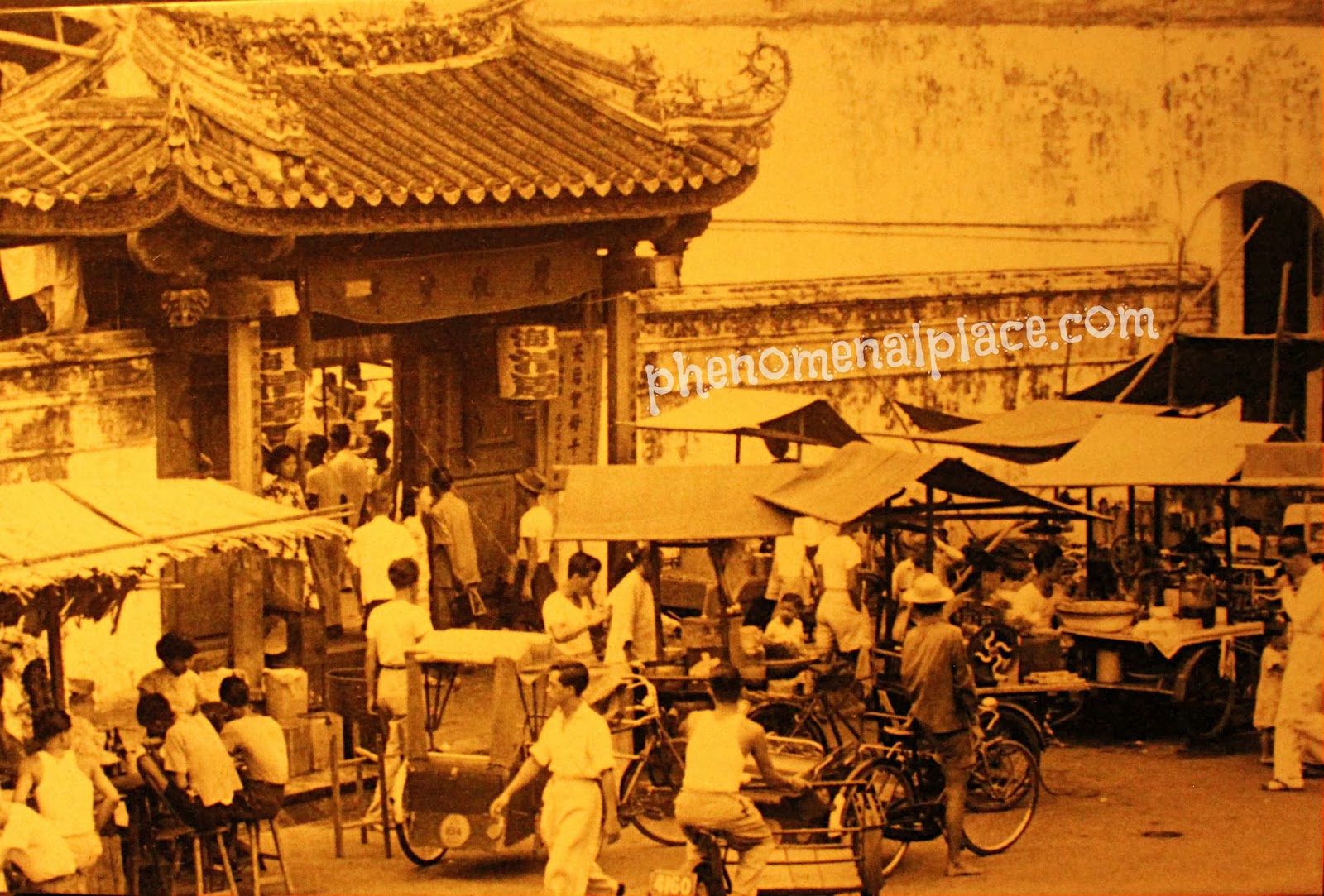
Bustling street activities at front entrance to Wak Hai Cheng Bio Temple
As the temples became more crowded, small shops were built around it. Little by little, the temple streets became a busy market-like area. Tea, incense sticks, and religious items started selling like hot cakes.

Friendship With Other Races:
Chinatown - a place called Bullock Cart Water. Here the Sinkhehs or new migrants had their first experience of so many dialects being spoken, and their first glimpse of the many races: Indians, Malays, Arabs, Europeans and Jews. Bonded workers were hurried off to their temporary quarters, while the others tried to find their way to the homes of their relatives. In this hot, strange land, they began their new lives.
A Chinese boy learns to carry water, while Indian Tamils help him 
The Chinese immigrants found jobs on the South Bridge Road. Carrying water to other parts of the city, was popular and profitable. They made friends with Tamils from India, who did the same job as well. Malays, Indians and Chinese would all work together, eat lunch under shady trees and become good buddies. 
            
Indians and Chinese working together at South Bridge Road junction 
"When I first arrived, I thought that "Gu Jia Chue" (Niu Che Shui) was a bullock cart carrying a huge drum of water that sprayed out water to keep down the dust. But later, I realized that houses in the past had no piped water, and the bullock cart was used to send water to people's homes."
         -  Sng Choon Yee
            Interpreter
South Bridge Road, with bustling bullock carts
On the South Bridge Road, there are two famous landmarks, the Sri Mariamman Temple and Masjid Jamae. This indicates a mixed population of Chinese as well as Tamils and Muslims in Chinatown. However, according to Raffles' plan, Tamils lived mostly in Little India and Malays in Arab Street.

Success Is Not Easy:
When Colonel William Farquhar was Resident of Singapore from 1819 to 1823, opium, liquor and gambling licences were sold to obtain revenue for running the island. This move was a death blow to many immigrants. Away from their homes and families, the Sinkhehs lived only on hard work and memories. Many had to come alone, without the warmth and affections of their loved ones. Young and impressionable, they found solace in the evils associated with the secret societies: prostitution, opium smoking, drinking and gambling.
When opium did not kill people, it killed their dreams
Gambling:
What motivated a young immigrant to gamble? Perhaps it was the route to easy, fast money where many thought they could win and return to China with money in their pockets. But sadly, most would lose their hard-earned cash and had to remain in Singapore.
Youngsters played the Chinese Fan-Tan game which robbed their hard earned money
The excitement of Ho Lan Pai, Fan-Tan or Chap Ji Ki games was irresistible. Many gamblers played all night long, and could not work the next day. Many lost their jobs and resorted to stealing to feed their gambling addiction. Some formed gangs and collected protection money through extortion. An addicted gambler could not stop his betting just as an opium addict could not give up his pipe.

Opium:
"Grandma was determined to stay with grandpa to rescue him. She stayed in the opium den with him, cooked for him, nursed him and prevented him from touching the thing. It was really tough at first. But after a few weeks, he started to lose interest in opium. When he gave up the thing, life began anew for him, and of course, for them too."
         - Xiao Huiling
           Schoolgirl
           Pasir Panjang School
Opium - One hit was too many, and a thousand was not enough
To the more affluent Chinese, opium smoking was a harmless pastime to be enjoyed in luxurious surroundings. Though regarded merely as a social habit of the upper class Chinese, opium was a devastating master, destroying the lives of many. By 1923, there were 423 government-run shops were opium could be purchased over the counter. The dark red doors of the public opium shops beckoned from 6 AM to 10 P.M. In the brothels, opium would be available until 2 A.M.
Wealthy youngsters enjoying opium in an opulent bar
"My boss was an opium addict and I used to buy opium for him at a shop in Pagoda Street. To buy opium, you have to knock twice on the door and tell the person inside that you want to buy 'mang' (grasshoppers). They would give you a small packet of opium for $2, but they would not let you go in."
         - Woo Choy Yin
            Printing Firm Worker
            Occupant of 46 Pagoda Street

Prostitution & Drinking:
Cabaret and brothels were open all night long, where people drank and lost all their earnings.
On the top floor of this building was a famous Cabaret house
"There were a lot of secret society activities in Chinatown! The one controlling Pagoda Street was the 24 Gang. They slept in the five-foot ways and collected protection money. Those who joined the secret societies were usually the gamblers and jobless people."
          - Chee Yoke Weng
            Grocer's Assistant

The Land Of Opportunity:
For people who did not fall into bad habits, Singapore was a symbol of hope and success. However, their fortune would come only after hard work and perseverance. People started building their own businesses and many of them would succeed.
A busy Chinese restaurant, run by a hard working immigrant
"In the first three years, I could not afford clan association. A member had to pay at least 50 cents a month. I could not afford to spend 5 cents. I knew only one clansman there. That was why I didn't receive much help."
          - Chew Choo Keng
             Founder
             Khong Guan Biscuits

Poor, young and illiterate when he arrived in Singapore in 1934, Chew overcame all these obstacles to become the largest manufacturer of biscuits in Singapore. Today, Khong Guan Biscuits exports around the world.
Shops like these were opened with hard earned savings
"When we first came here, we thought about making some money and going home. Then, after some time here, we wanted to work a little longer and a little longer after that. We forgot about
going home altogether."
          - Loh Ah Kwai
            Samsui Woman

Chinese Opera & Theaters:
When people started becoming successful, there was more money available to spend on cultural activities and entertainment. The immigrants patronized Chinese opera, which was  initially staged in front of temples during religious festivals. In Singapore, Chinese opera has the unique Malay name of Wayang.
Oriental theatre, was a popular place for Chinese opera 
As business flourished, Wayang was elevated from cheap street entertainment to a thriving business. By 1881, there were about 240 Chinese performing artistes residing in Singapore. The Chinese opera was performed on several theaters like the Majestic and the Oriental, which attracted a large audience.
Majestic theater  - Another famous place to watch Wayang (Chinese opera)
Japanese Occupation:
In 1942 Japanese forces invaded Singapore and killed thousands of Allied soldiers (RIP at Kranji War Memorial.) They gained complete control of Singapore, which upset the economy of the country. The economic downturn and subsequent loss of jobs caused thousands to turn to hawking on the streets and in the markets. After the Japanese Occupation, Chinatown continued to flourish in peacetime. In the 1950s, it entered into what was known as "The Golden Age of Chinatown" - the liveliest and most bustling period of Chinatown's history. 

Festivities:
Bit by bit, lives got better. Most Chinese immigrants became successful due to their hard work and led a happy life in Singapore. It had become their home, their own country. Many established their own businesses, got married and bought houses. Festival times were used as vital tools when they could relax, meet family and friends and remember their Chinese traditions.
Children playing with firecrackers, 1971
Interestingly, firecrackers were started as a custom to drive away bad luck and evil spirits. Chinese New Year Celebrations are held over 15 days, but there are many variations, depending on the dialect and ethnic sub group. The Chinese traditionally used light, noise and the color red to drive away evil influences during the New Year. Therefore, the appearance of red decorations, firecrackers and lights during this period still exist today. In Chinatown, festive stalls are set up in the streets one month before the arrival of Lunar New Year, and people from all over the island congregate here to buy sweetmeats, festive decorations, new clothing and specialty products not commonly found elsewhere.
The Chinese New Year market used to open about 2 to 3 weeks before the event
"We, Tung Kun people, had a custom on the first day of New Year called 'Mai Lau' (selling laziness). How did you sell it? On the first day we would bring out a duck egg and cook it. Then we would stick a joss stick in the egg and bring it out into the streets yelling 'Mai Lau! Mai Lau'. When someone laughed, we would throw the joss stick at him and our laziness."
An old New Year Greeting Card
What a happy time is Chinese New Year, the Festival of Spring! Family reunion dinners, visits to relatives and exchanges of gifts, reaffirm relationships with the family. Even migrants with no families celebrated in clan associations or among their own tradesmen. Firecrackers were lit, blanketing the streets with red paper, signifying a new and better year for all.

I hope you enjoyed the history of Chinatown, and it gave you a new perspective on the history of Singapore. It was very enjoyable to look at old photographs, and there are a few hundred more which I can't post here. There are also hundreds of props and objects like old bicycles, magazines, ceramics, etc at the Chinatown Heritage Center. If you are a Singaporean, whether you are Chinese, Indian or Malay, visit this museum when you get a chance. If you are a tourist, please step into this building while you are in Chinatown. It is one of the must see attractions in Singapore.

Asian Civilisations Museum - Singapore

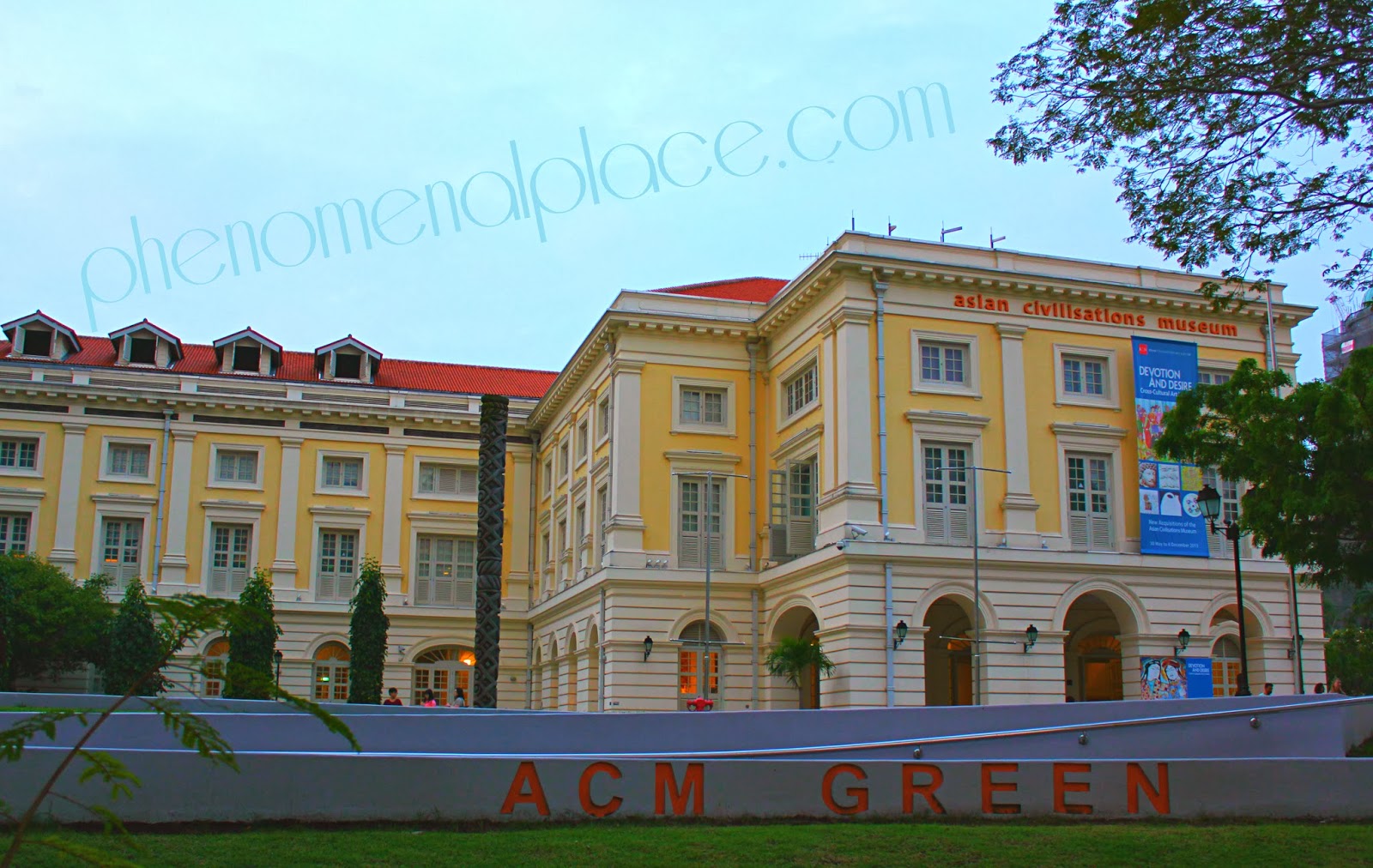
Asian Civilizations Museum in Singapore is truly one of a kind. It explores all of Asia, from Iran to Indonesia, and includes artifacts and collections from every Asian country. The word "Asian" is often mistaken with Chinese or mongoloid nations, but this museum includes all the Asian countries like India, Afghanistan, Vietnam, etc. The museum is very large with multiple floors and has many thousands of items on display. If you are serious visitor, you could be here all day long, "trying" to finish seeing all the artifacts.
Front view of the Asian Civilizations Museum - Singapore
Visitor Information:
Phone: +65 6332 7798, +65 6332 3275
Fax: +65 6883 0732
Email: [email protected]
Address: 1 Empress Place, Singapore 179555 (5 minutes walk from Raffles place MRT station)
Opening hours: Daily 10 A.M - 7 P.M ; Fridays 10 A.M - 9 P.M
Parking: Available (on street)

Guided tours in English (Free):
Monday to Friday: 11:00 A.M, 2:00 P.M
Friday evening: 7:00 P.M
Saturday & Sunday: 11:00 A.M, 2:00 P.M, 3:00 P.M

Entrance Fee: 
Singapore citizens and permanent residents: Free
Kids aged 6 and below: Free
Full time students and visitors aged 60 and above: $4
All other visitors: $8
Photography : Allowed, free of charge (no flash)
Remember: Take your ID with you, they do verify your age, nationality, etc

Since it is impossible to show all the artifacts of this museum here, let us see a few interesting items below.
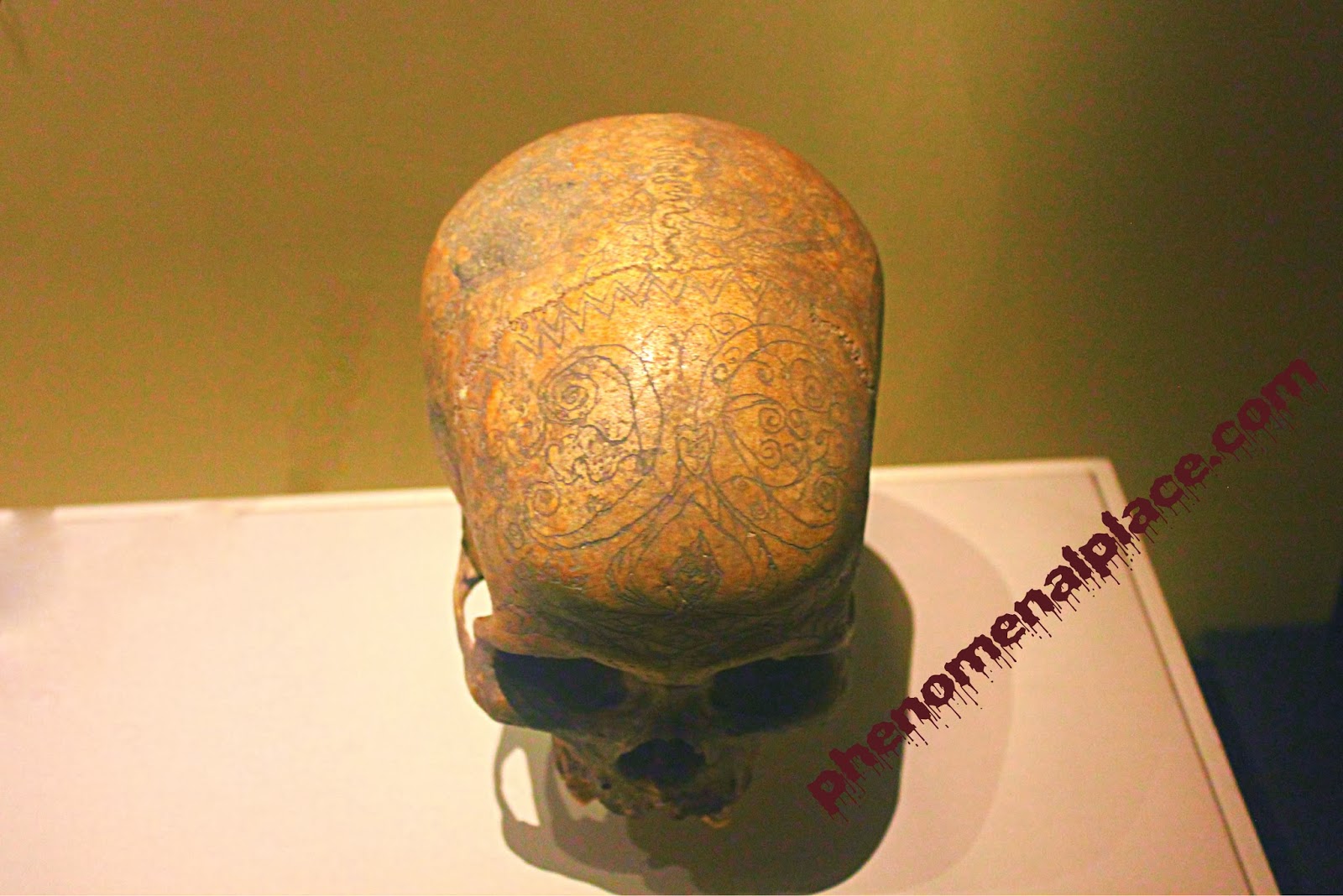
A human skull of an enemy with carvings - Dayak tribe
This is a human skull taken as a trophy by the Dayak tribe of Borneo. Until early 1900s the Dayak tribal warriors beheaded their enemies and kept the skulls as souvenirs. Carvings were made on the skull to identify who it belongs to, and other creative designs were also etched on it. Note that the practice of keeping human skulls as trophies were also followed by many other cultures, like the Naga tribes of Myanmar.
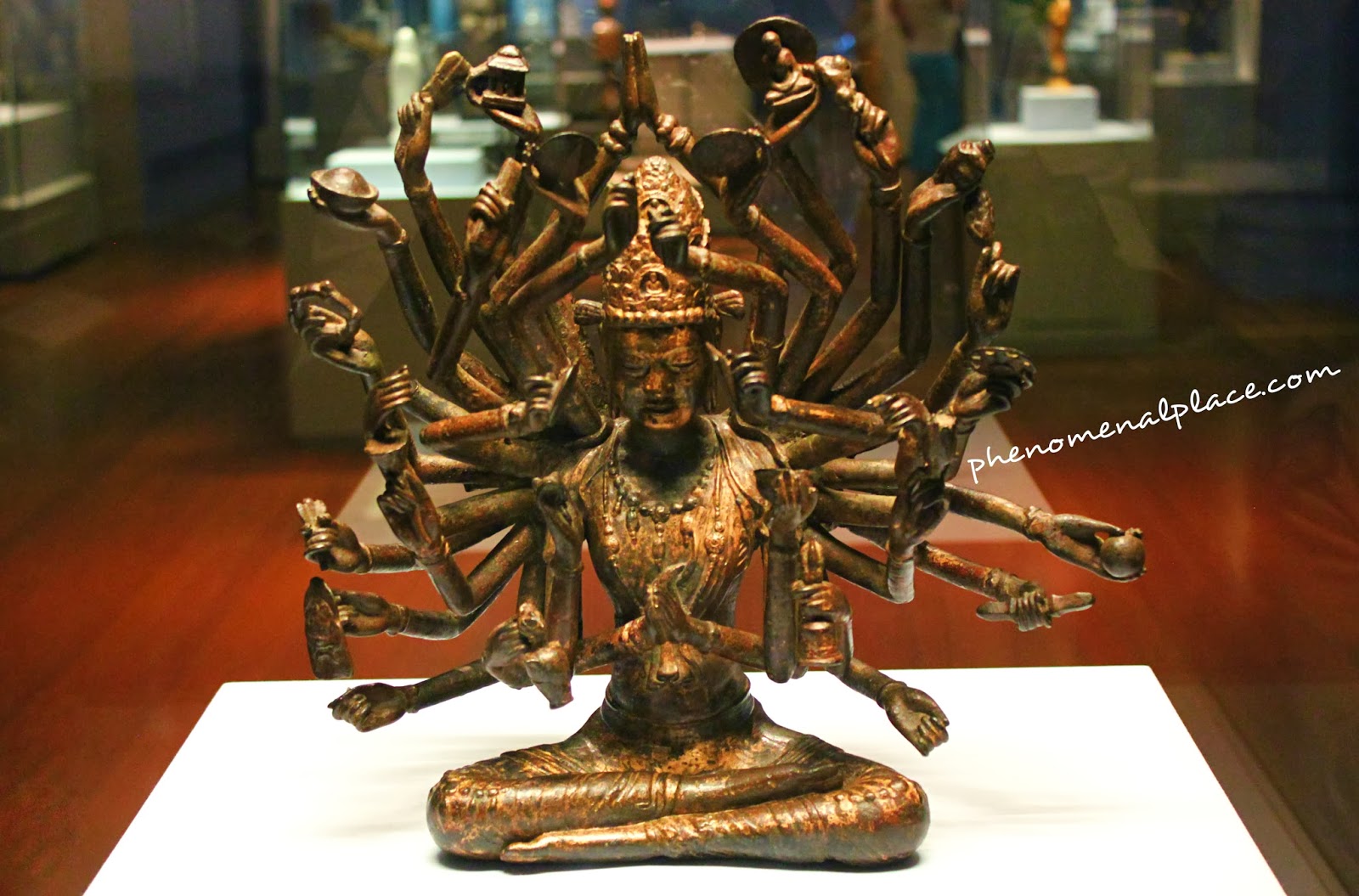
Avalokiteśvara, a God with the maximum number of arms 
Sculpture of Avalokiteśvara, with probably most number of arms carved on any God EVER! You have to count it a few times before getting the number of arms right (it's 34, by the way). This gilded bronze sculpture was made in the Dali kingdom (937-1253), an independent state in what is today Yunnan province, China. Each arm of this figure holds an important Buddhist symbol. If you look closer, the headdress contains many small Buddhas, with Amitabha (the Buddha of infinite light) at the center.
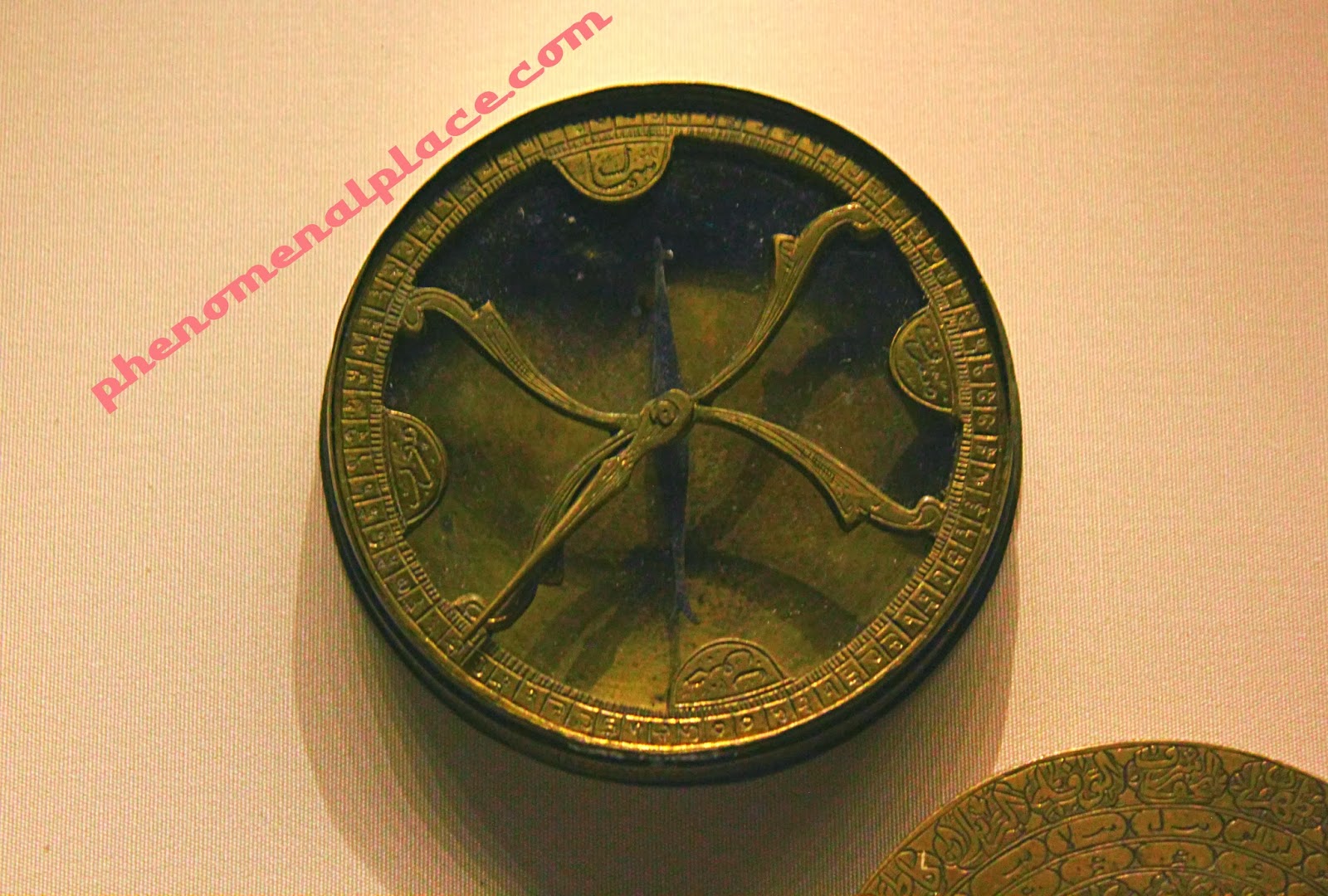
A Qibla compass from Iran to find the direction of Mecca
Qibla compass (Iran -1878 CE), a modified form of compass to show directions of different cities. Note the accurate divisions to show degrees on the circumference. It is important for Muslims to be able to determine the direction of Mecca (Qiblah) wherever they happen to be. Certain rituals like prayers are performed directed to Mecca. These special compasses were therefore developed to help determine the Qiblah. Even today, compasses are still used although visitors to hotels in Islamic countries will find the Qiblah indicated on the ceiling of their rooms.
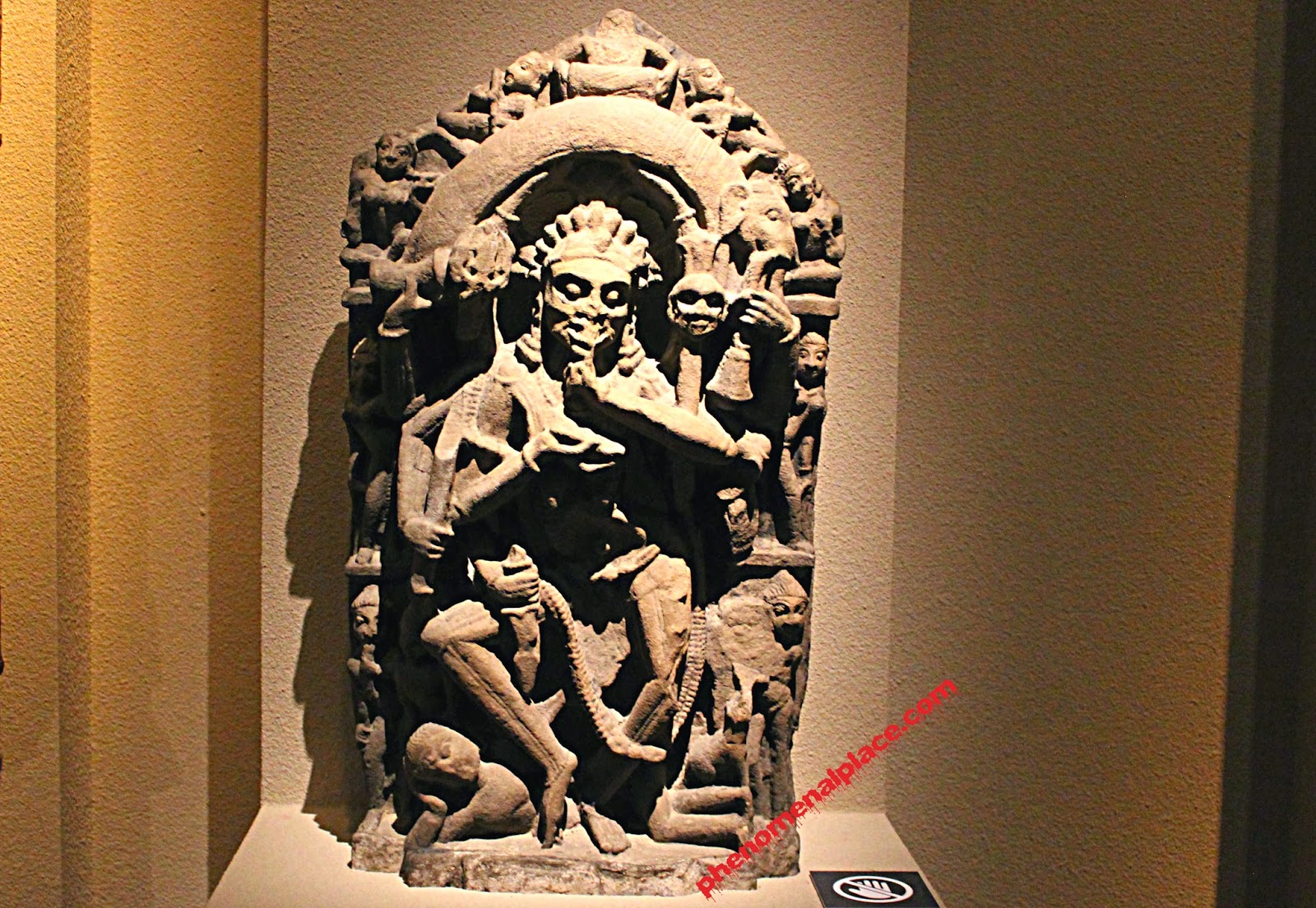
An unidentified statue that depicts pure evil - Any idea who he is?
Here is a statue with no name to it, but sure looks scary. He holds a vertebral column in one of his right hands while holding a skull to the left of its face. He is trampling a human being underneath while stabbing him with a knife. It seems as though he is putting a finger to the lips and says SHH.. while mischievously smiling with his eyes closed. There are plenty of smaller figures around him, but none of them look at him. Looks like he could easily be the most gruesome God, if not for Periyachi Amman.
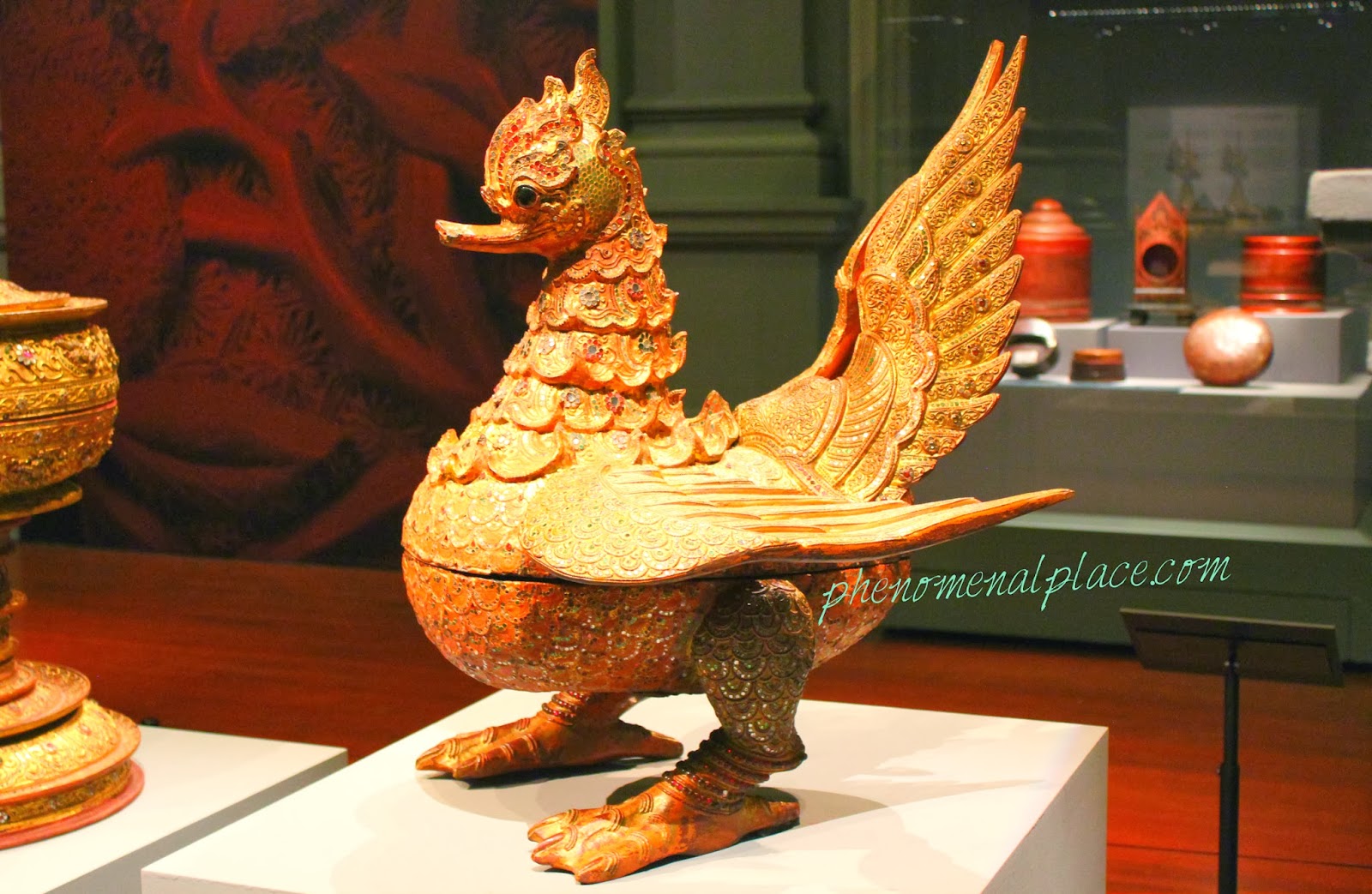
Hsun Ok, an offering bowl with a fancy lid from Myanmar (Burma)
An offering vessel (Hsun Ok) in the form of a Hintha bird from Mandalay, Myanmar. Made in the late 19th century, the bottom half was used to contain sacred liquid or powder. Burmese lacquer makers excelled in building up high relief with applied decoration, as seen on this wooden object. A lacquer putty mixture known as thayo (literally "flesh and bones") was modeled or molded, then stuck onto the surface and embellished with gilding. Semi-precious stones, glass, and mirror pieces were inlaid to add value, in accordance with the taste in Mandalay. Hintha bird is the Burmese version of the Indian goose called Hamsa which symbolizes perfect union. Vessels like these were donated to temples as merit-making gifts and would be placed flanking an image of Buddha.
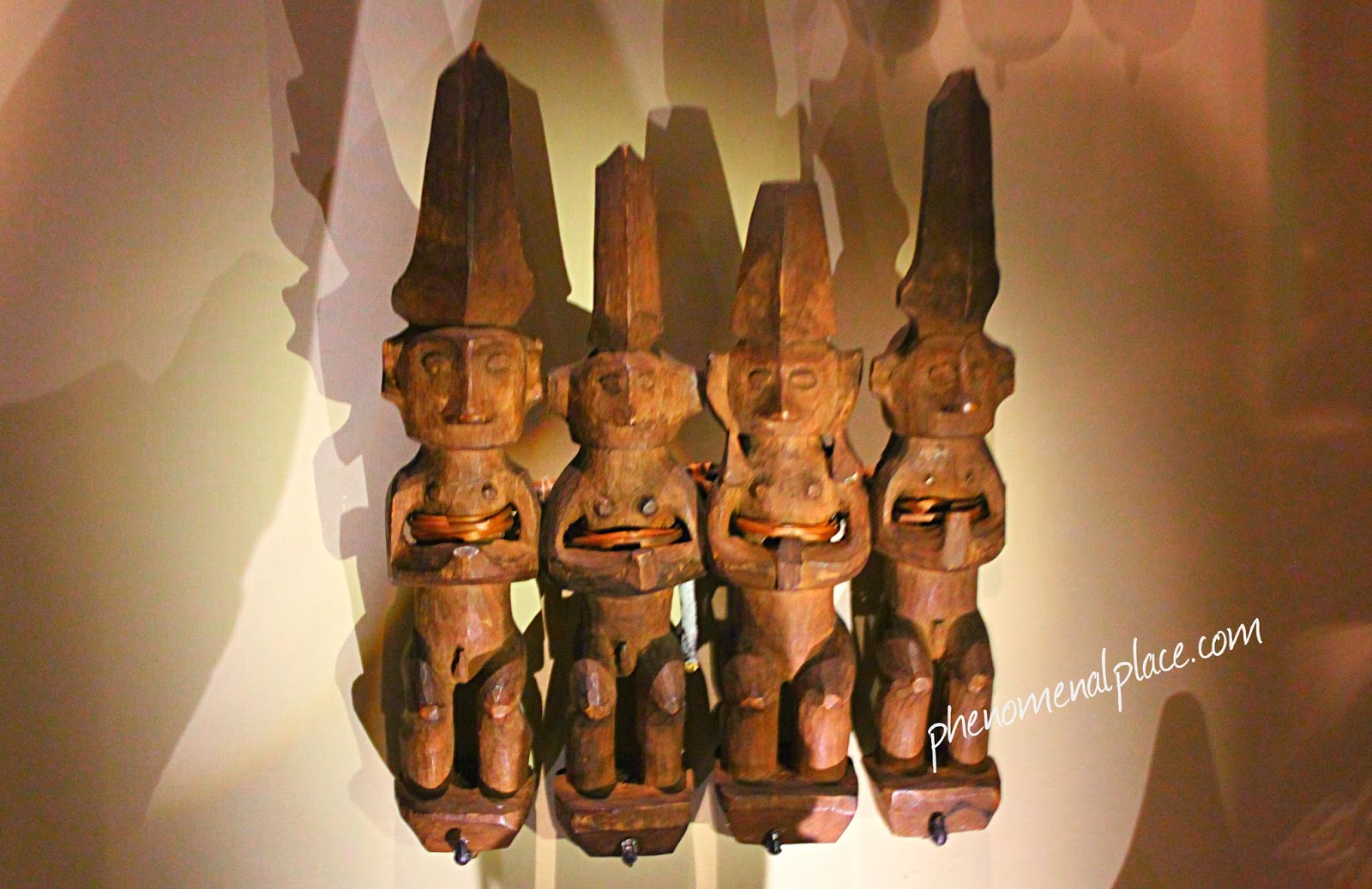
Nias tribal statues possess something incredibly important 
These wooden statues are in fact, containers with headdress being the lids. What do they contain? The last breath of a dying family member! This unique tradition is followed by Nias people who live in Nias island, off the west coast of Sumatra. The people of Nias believed that by trapping the last breath of a dying person, their soul could be contained and transferred to the statue. Ancestor carvings like these were found in households throughout Nias. They served as reminders of the deceased, and as charms to protect the household. A new image was made just before a person's death, and this was bound together with the rest on the right wall of a house. This practice has almost become extinct today, since most of the Nias people have become Christians.
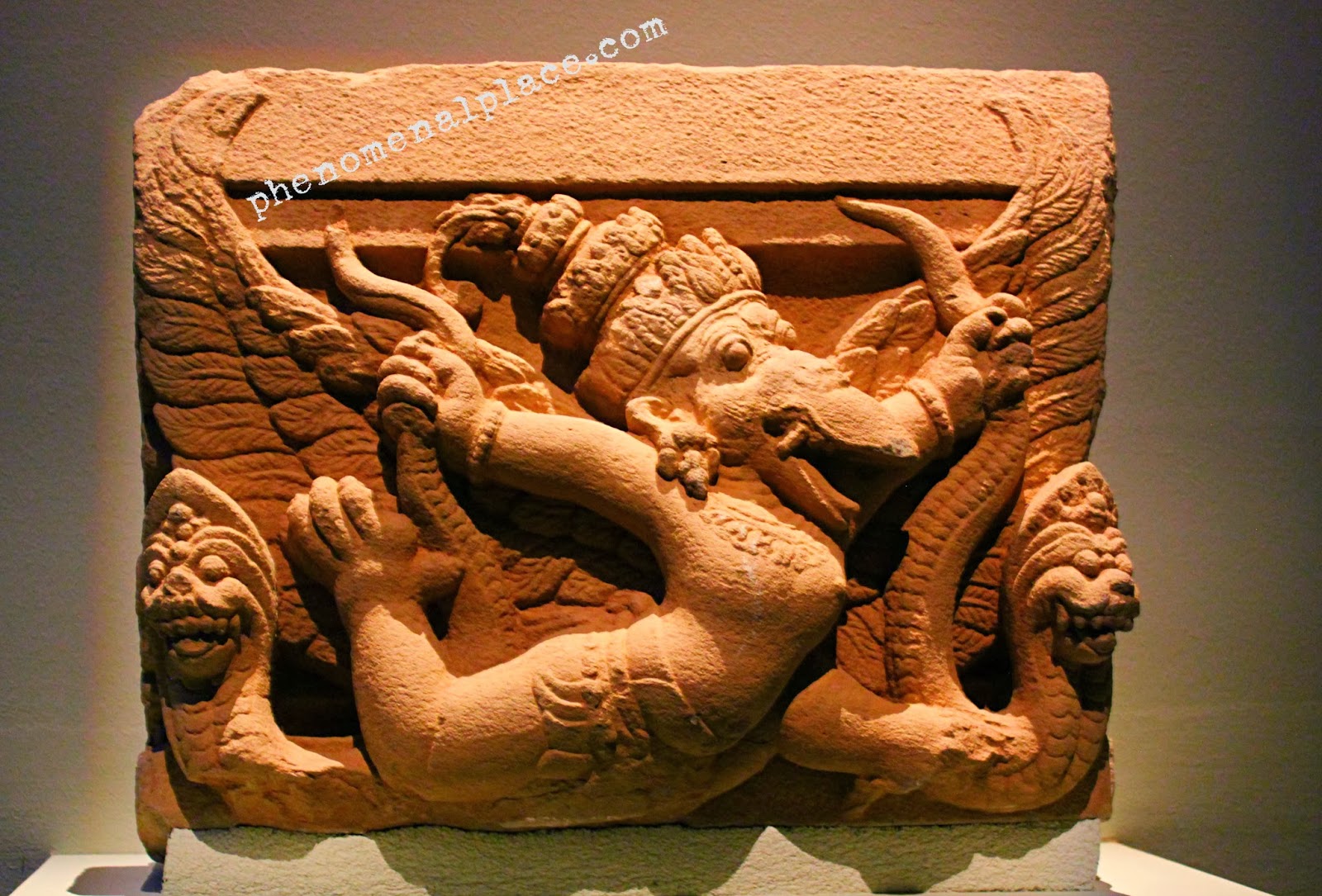
A flying Garuda, happily holding two snakes on either side 
This is a relief of Garuda made around 11th - 12th Century AD, in India. The Garuda is a flying Hindu God and was used as a vehicle by God Vishnu. He is depicted here in triumph over the naga (snake God), after the battle over the nectar of immortality. A fantastic depiction indeed, since he is flying with his wings spread, while grasping the tails of two snakes. He is shown wearing a tiered crown and wears jewels on ears, wrists and a necklace. Both Garuda and Naga are very mysterious in many ways, and are often thought of as alien races by ancient alien theorists. This relief too, shows an abnormally large head and an elongated mouth when compared to a shorter body.
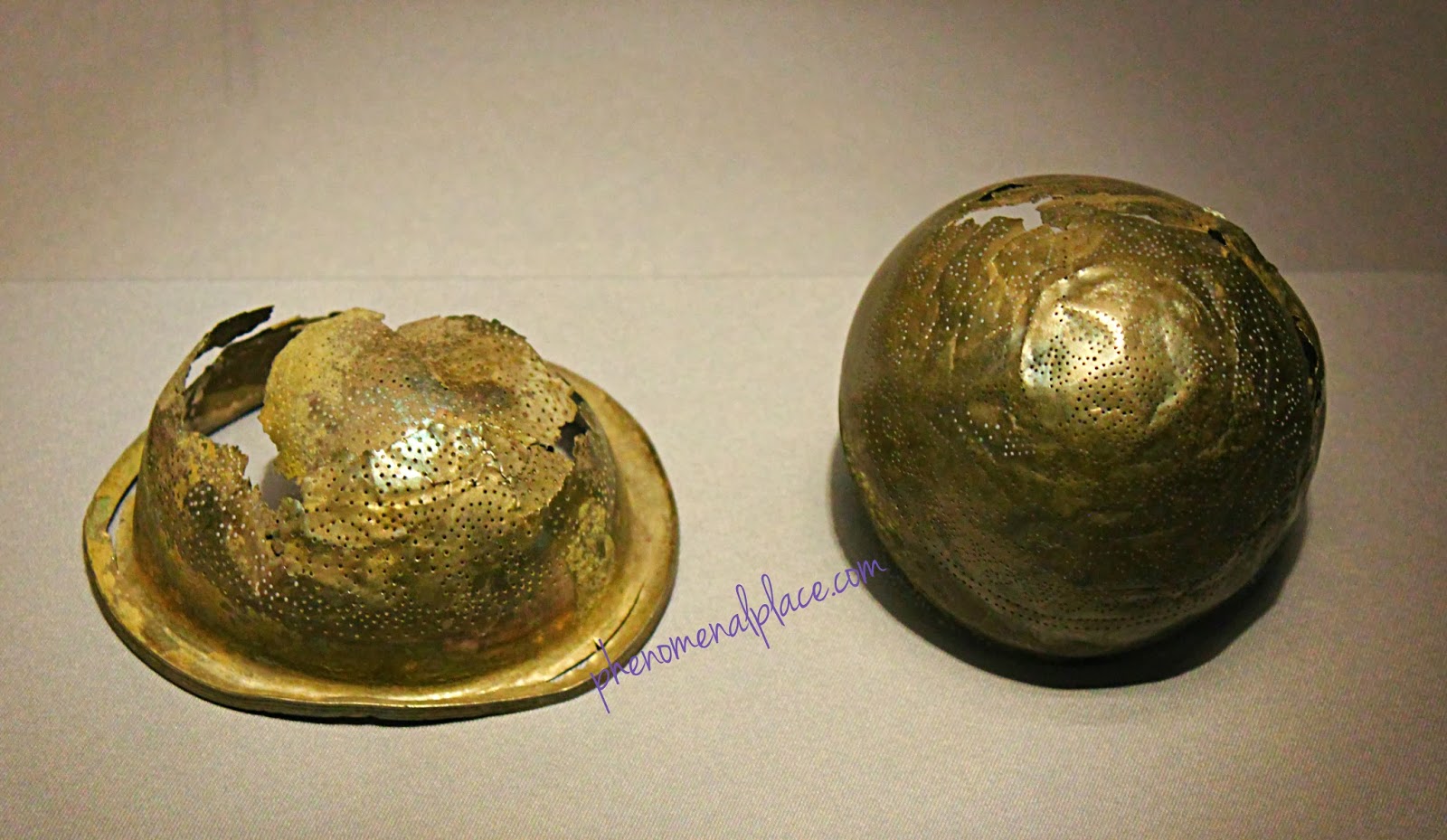
Two silver strainers used to filter wine, from 1st century A.D
These are 2000 year old sieves from Gandhara (modern day Pakistan and Afghanistan). They were used to remove impurities from grape wine, made in Buddhist monasteries. Made of silver, these strainers have minute perforations to hold impurities while wine seeped into a container below. Superb paintings about wine making were present in the caves of Bamiyan Buddhas, before they were destroyed by the Taliban in Afghanistan.
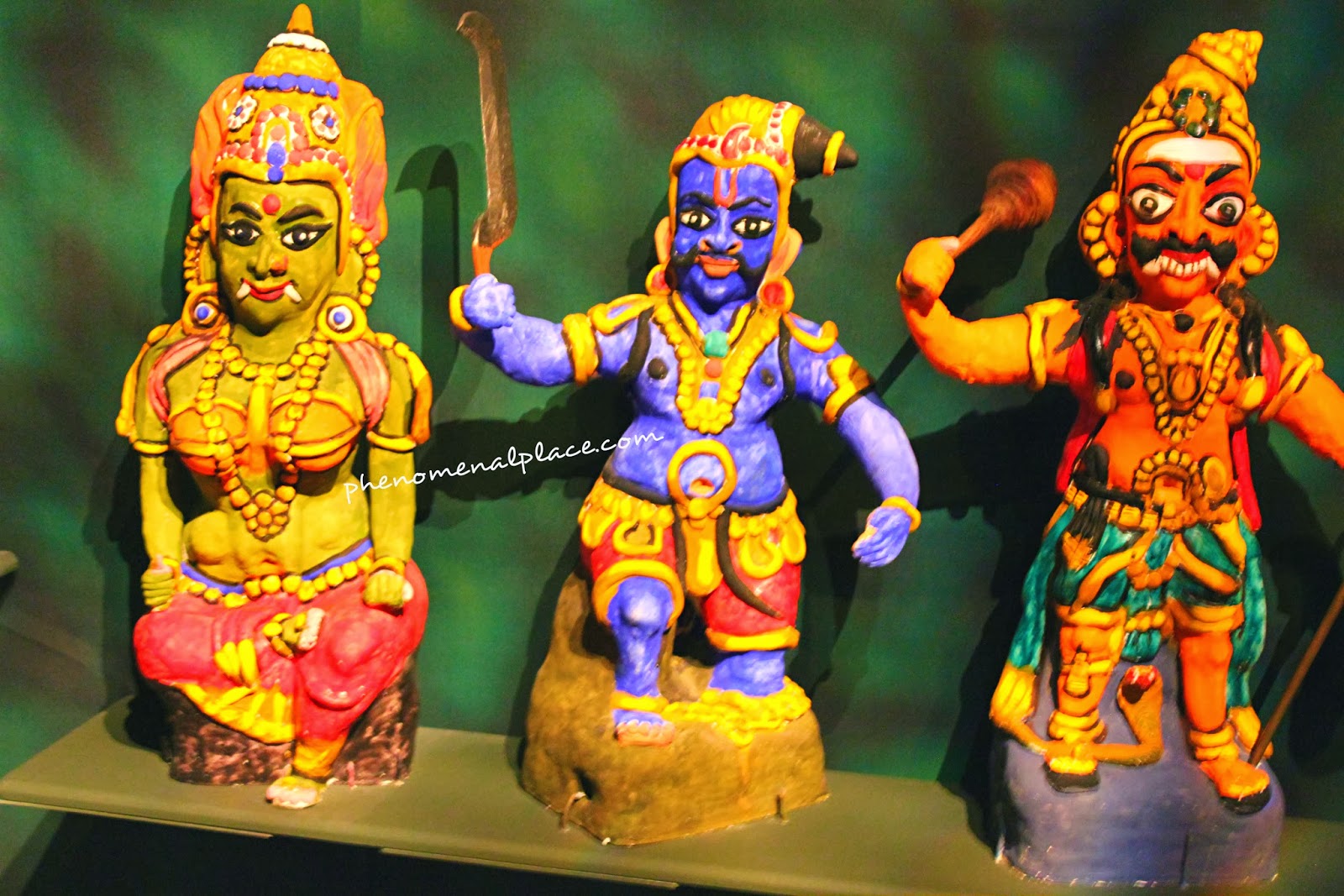
Tamil Gods, with interesting features and anecdotes attached to them
Tamil Gods have always come with fantastic history and you can see a few of them here. On the left is Pechi Amman, a Goddess who devours children, especially who are born prematurely. In the middle is Sappani Karuppan (Lame Karuppan) whose left leg is partly amputated.  His legs are bound with a chain, to prevent him from doing any mischief. On the right is the Muni, who is also called Muniyandi, Muniappan and Muneeswaran. Standing upright, he is holding a club in his right hand while trampling a cobra with his right feet. He can be identified by a bell (kandaamani) on his right shin, a symbol of heroism in Tamil Nadu.

The above pictures are only a small sample of what you can see in the Asian Civilizations Museum, but the entire building has multiple floors that cover all of Asia. Since Singapore has a major ethnic population of Chinese, Malay and Indians, those areas have been given special attention. Singapore also has separate ethnic museums like the Malay Heritage Center in Arab street, and Chinatown Heritage Museum in Chinatown. But this museum is certainly the best in the country.  Visiting this museum is definitely one of the best things you can do in Singapore.

Little India - Singapore's Best Attraction

Unlike most of Singapore which is stylish and flashy, Little India is a surreal place which takes you 50 years into the past. I'll bet you will never be able to walk too far from the jasmine smell emanating from garland shops. An average westerner will quickly notice that Little India is dirtier, noisier and rowdier than the rest of Singapore. Always super crowded, traffic signals are often ignored, and rules are not much respected here. Recent riots in Little India have given it a bad name, but this was an unusual incident and it is a safe place for tourists.
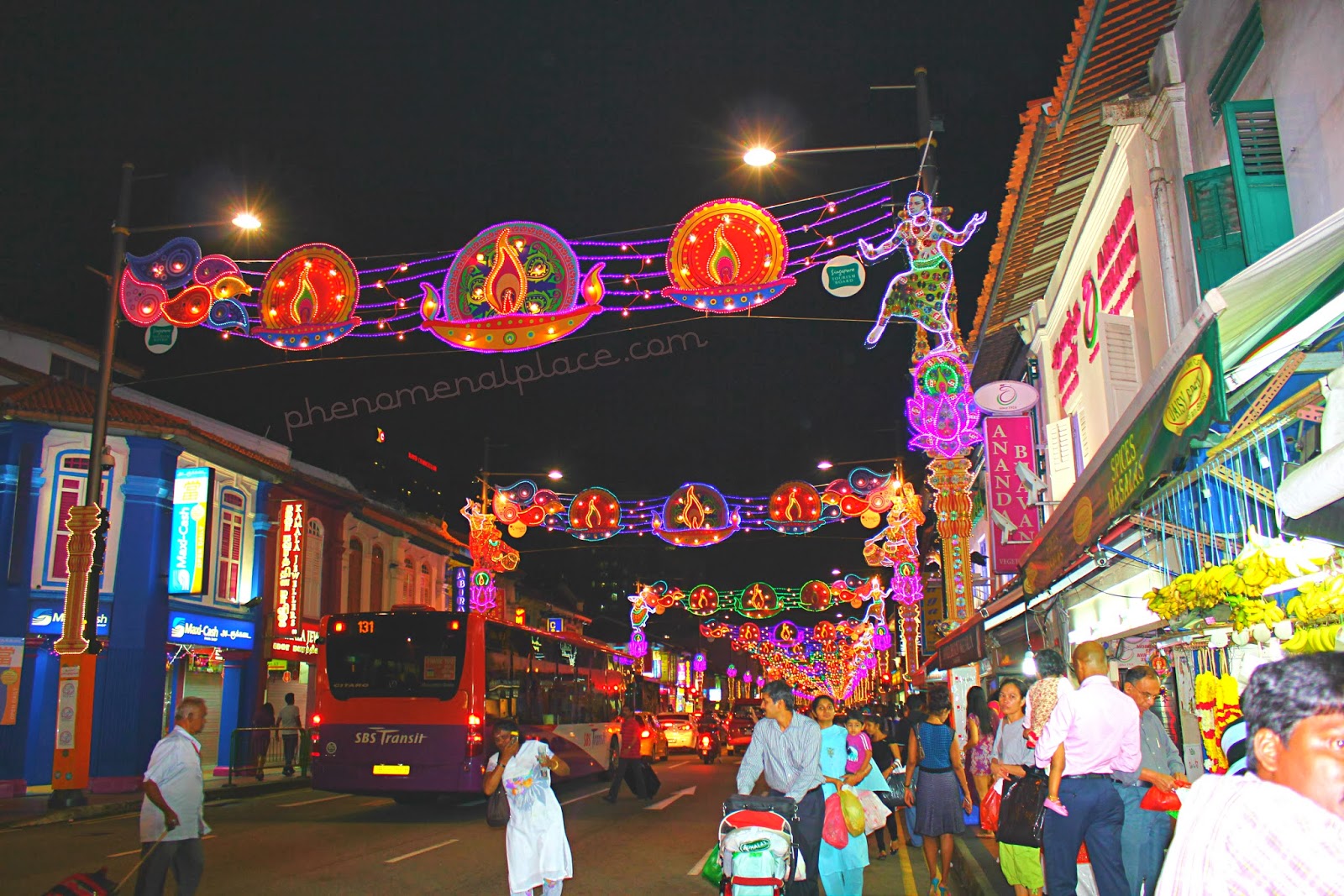
Deepavali festival lights on Serangoon Road, Little India
Just take any of the trains that go to Little India Station or hop into a taxi to get here. If you want  a "full experience", go on a weekend, when the place will be packed with migrant workers. Signs like "Don't urinate here" and "Don't spit here" are common in Little India. During Indian festivals like Deepavali or Pongal, you will be amazed by dazzling lights and the spectacular shopping experience. Even for a local Singaporean who never stepped into this locality, get ready for a culture shock!
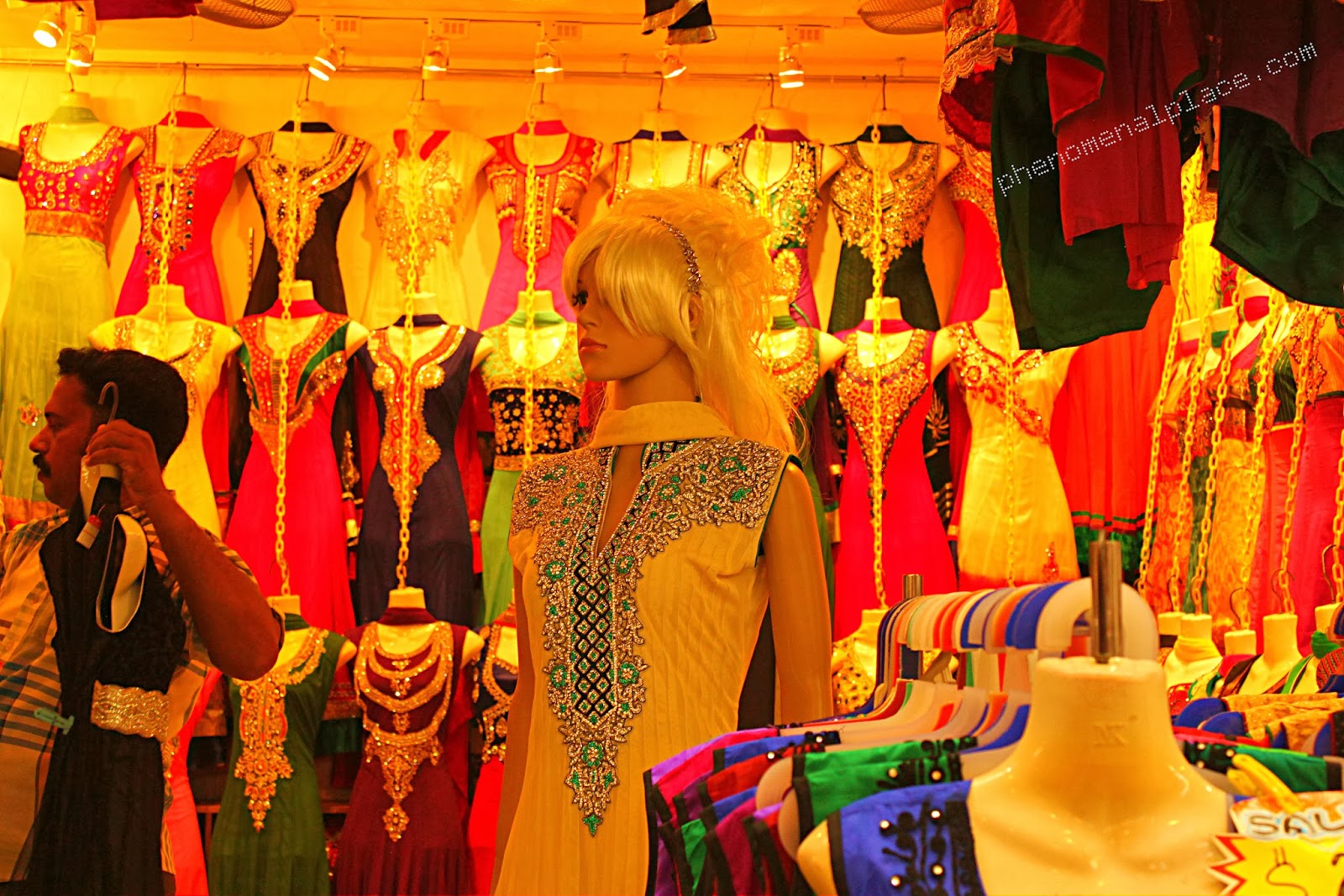
Traditional Indian clothes at Tekka Centre
Tekka Centre: This is a huge shopping mall with 2 levels. The first level sells food and second level sells goods. The hawker center in the 1st level is well known for $4 Chicken Biriyani, $1.25 Dosa and other cheap Indian food. You can also find a handful of Chinese and Malay food stands as well.  On the same level is the wet market, where you can find good seafood. Fish, prawns and crab are brought in fresh and sold on a daily basis. The second level is where you find clothes, shoes, bags and other apparel. Traditional Indian tailor shops are also present where you can get your clothes stitched.
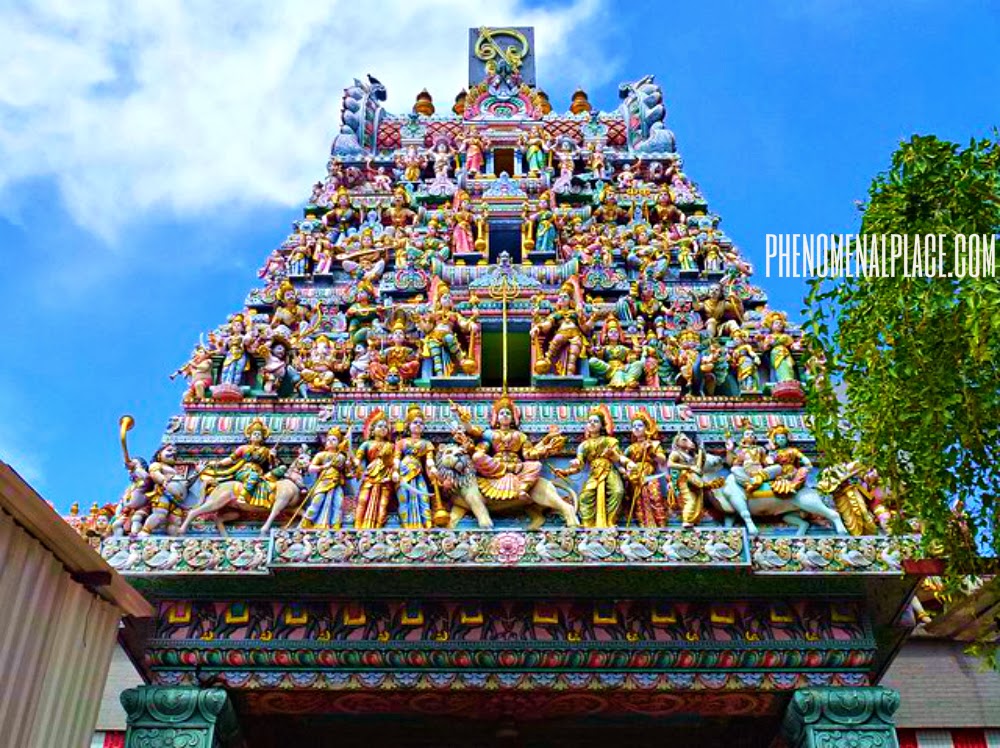
Sri Veeramakaliamman Temple - one of the top 10 attractions in Singapore
Temples: Little India has quite a few places of worship, and is riddled with temples.  The most fascinating is the Sri Veeramakaliamman temple, which by itself is one of the top 10 things to do in Singapore. Sri Srinivasa Perumal temple and  Sri Vadapathira Kaliamman temple are also quite popular. Other religious structures like Abdul Gafoor mosque, Foochow Methodist church and Central Sikh Gurdwara are also present.
Indian dancers at Sitara Lounge in Serangoon Road
Drinking: While Arab street is famous for sheesha bars, Little India is well known for its liquor bars. The bars are of several kinds and the most popular of them is the "Tamil Nadu Special" bar, which is out in the open and laborers relax after a long day's work. Food is cheap and this place is super crowded at nights. With recent riots in Little India, drinking has come under vigilance. Night clubs like Sitara Lounge and Club Flux are also located in Little India.
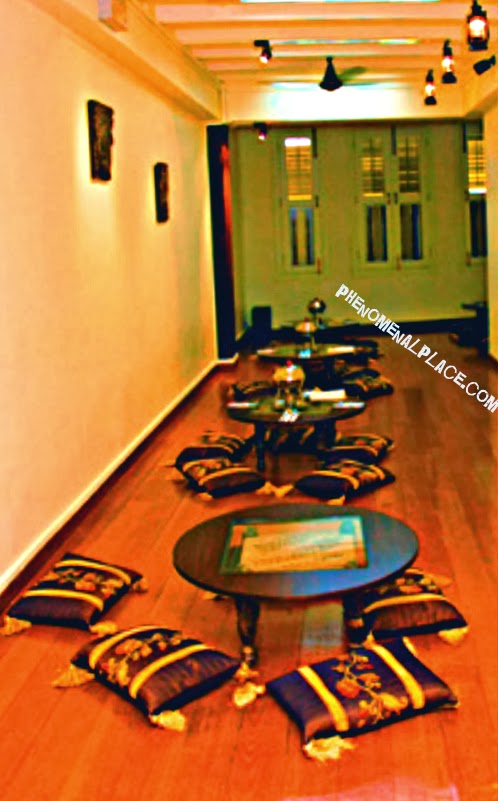
Barefeet Dining and please Sit DOWN in Lagnaa restaurant 
Restaurants: Eating in Little India is a must, and many restaurant still serve your food on banana leaves. The best restaurant here is Lagnaa , where you take off your shoes and sit on the floor to eat! Muthu's Curry is another restaurant popular for its crab and chicken delicacies.While Komala Vilas and Ananda Bhavan give you an authentic South Indian taste, try the Kashmir and Jaggi's for North Indian cuisine.  If you are a cheapskate like me, go to Tekka center or try street side food stands.
My souvenir collection from Mustafa Centre, Singapore
Mustafa Centre: Open 24 hours, this store almost has a cult following among Singaporeans. With unbeatable prices and an enormous variety of goods, Mustafa center stands tall among all the other shops in Little India. If you are an American, it is sure to remind you of Costco, although you don't have to buy in bulk here. International foods, jewelry, vegetables, electronics, clothes, medicine, meat and the list goes on. They sell plenty of inexpensive Singaporean souvenirs, a popular buy among tourists.
Wanderlust is a popular hotel to stay in Little India
Lodging: If you really want to enjoy Little India's ambiance, experience a few days staying in hotels in the locality. Footprints is one of the popular backpacker's hostel located in Perak road. Wanderlust is another lodge, set in a century old building located in Dickson road. There are plenty of other places for accommodation, but be sure to do your research before staying.

Fun Facts Of Little India:

1. Close by is the "Thieves Market" on Sungei road. Once upon a time, stolen goods were sold here. Today, the street vendors sell anything and everything and is a place to buy trinkets and second hand goods.
Palm reading will make everyone giggle!
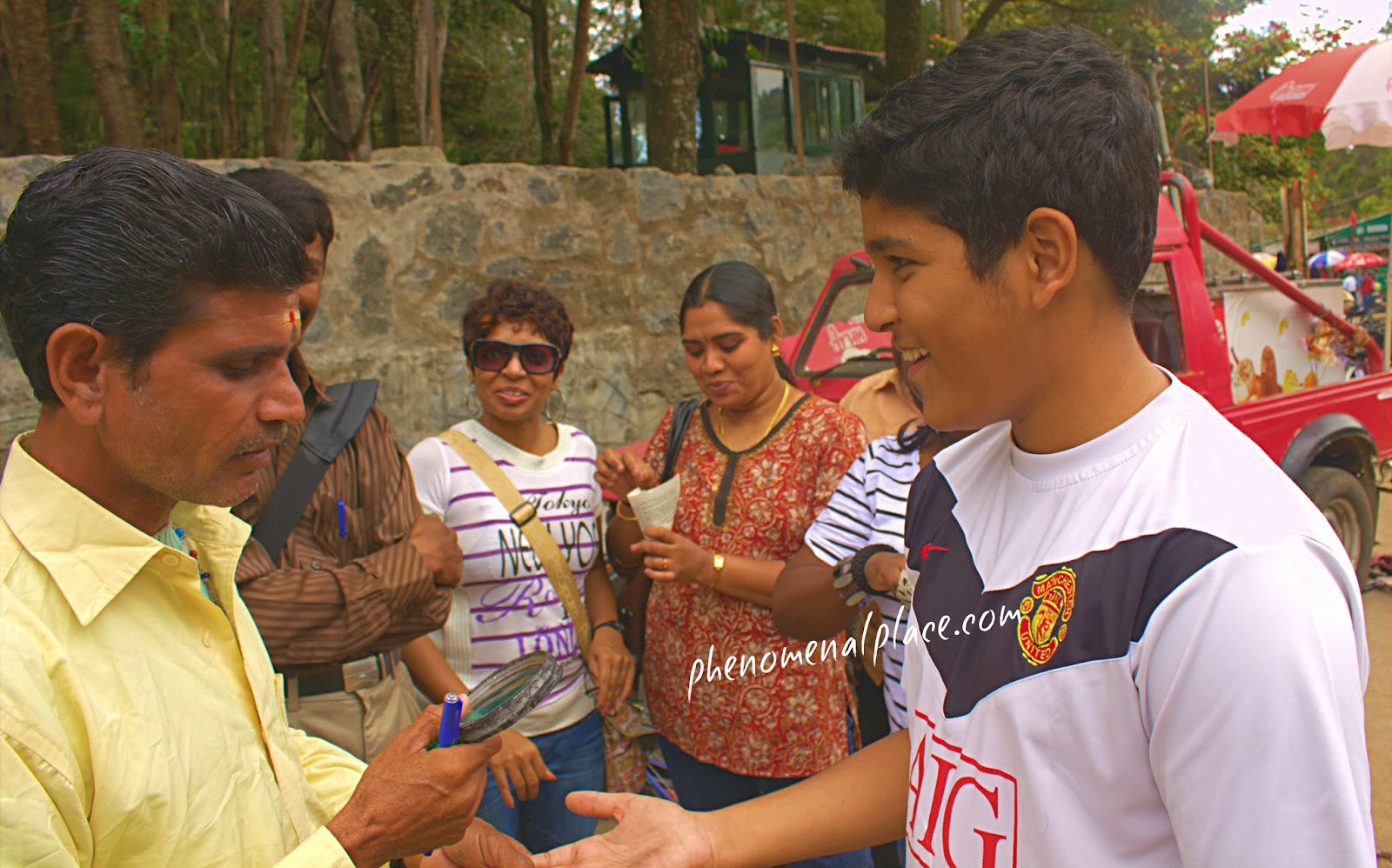
2. For a fun experience, look around for palm readers and parrot tarot readers. Parrots will pick the card that tells your future, a popular fortune telling method in Tamil Nadu. Watch the parrot tarot reading video here.

3. It is often assumed that Indians first set foot in Little India, which is not true. Tamil traders coexisted peacefully with Chinese and Malay merchants in Tanjong Pagar, long before Little India was created.
A rare photo of Serangoon Road, Little India in 1890
4. Little India was created almost 200 years ago. In 1819, a Tamil trader called Naraina Pillai came to Singapore from Penang, Malaysia. Raffles talked to him about creating a separate ethnic enclave in Singapore and Little India was born.
Henna tattoos are beautiful and popular in Little India
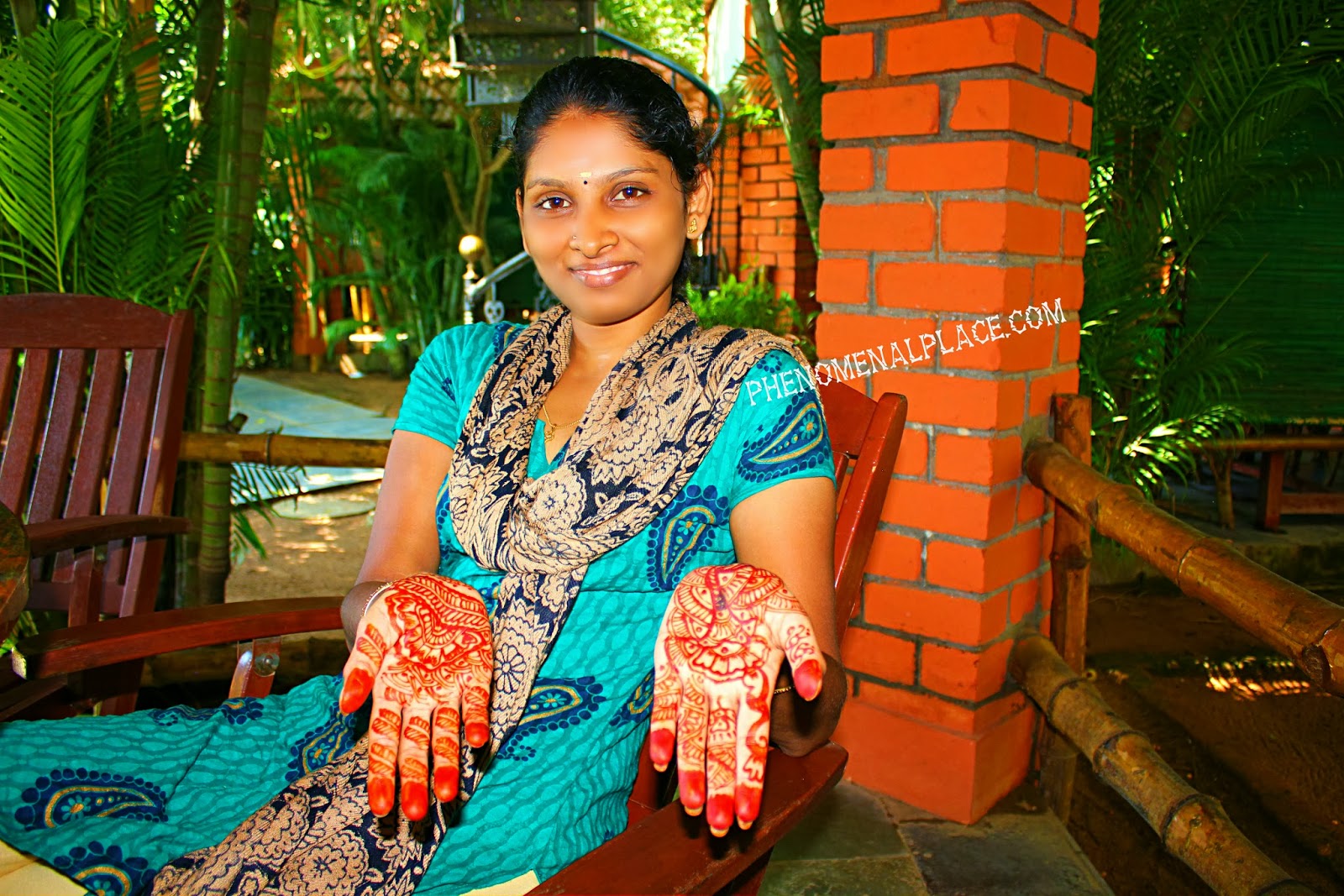
5. Another exciting experience is getting a temporary tattoo. The ink is made from henna, a plant that gives a bright red color. Skilled artists will create fantastic, traditional designs on your body. It will fade after about 5 days.

6. Please bargain in street shops when you buy flowers, souvenirs or other small items. You will be surprised how the prices change, based on your negotiating skills.
An amazing variety of items are sold at street shops of Little India
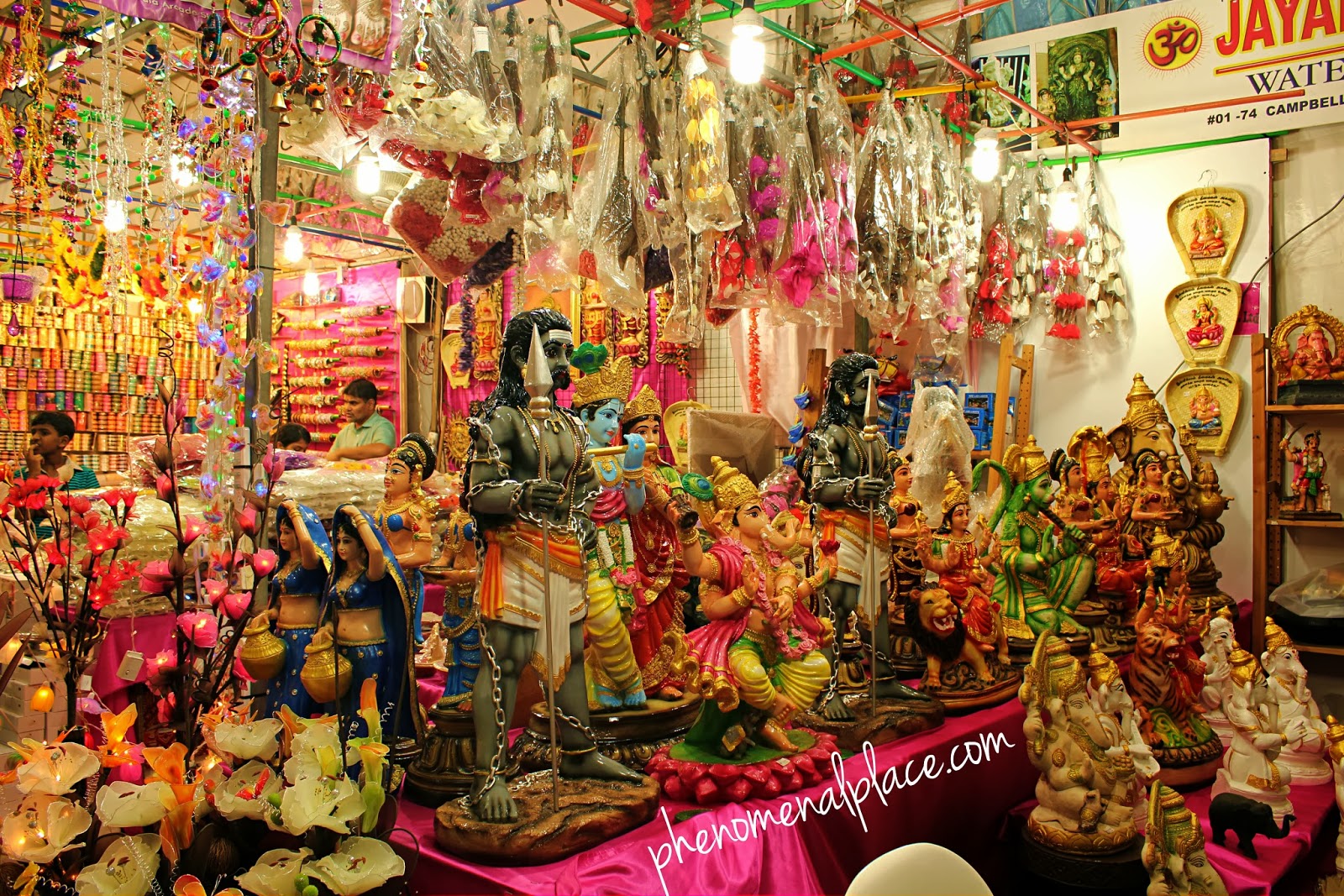
7. Street shopping is awesome, and you can find some very unique items in small shops. Ayurveda and Siddha medicines, jewelry, ethnic clothes, Indian cosmetics, herbal oils and even old Indian magazines are sold. Statues of fearsome Tamil ancestor Gods like Periyachi Amman and Sangili Karuppan are also sold here.
Little India will give you a unique perspective on Singapore, and is definitely one of the top 10 attractions. Just like Arab Street and Chinatown, Little India has its own flavor and culture. But unlike other attractions, Little India will definitely stimulate your eyes, ears, nose and mouth!

Share

Twitter Delicious Facebook Digg Stumbleupon Favorites More